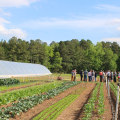
Farming in Waxhaw, North Carolina, is not just a way of life; it is a vital part of the community's identity and economy. Nestled in the picturesque landscapes of Union County, Waxhaw offers a unique blend of rich agricultural heritage and modern farming practices. For aspiring farmers in Waxhaw, understanding the local agricultural landscape is crucial for success. The region's fertile soil and favorable climate provide an excellent foundation for various crops and livestock, making it an ideal location for those looking to embark on a farming journey. However, the path to becoming a successful farmer is not without its challenges.
Aspiring farmers in Waxhaw must navigate a complex array of regulations, market demands, and sustainable practices. This is where education plays a pivotal role. Fortunately, there are numerous educational programs and resources available that cater specifically to the needs of new farmers. From workshops on organic farming techniques to courses on business management and marketing strategies, these resources equip individuals with the knowledge necessary to thrive in today’s competitive agricultural environment. Moreover, local organizations and extension services often provide hands-on training and mentorship opportunities, fostering a supportive community for those entering the field.
By leveraging these educational resources, aspiring farmers in Waxhaw can not only enhance their skills but also connect with experienced professionals who can guide them through the intricacies of modern farming. As we delve deeper into this topic, we will explore the various programs available and how they can empower the next generation of farmers in this vibrant North Carolina town.
Overview of Agriculture in Waxhaw
Waxhaw, North Carolina, is a vibrant area with a rich agricultural heritage that plays a significant role in the local economy and community. The farming community in Waxhaw is characterized by a blend of traditional practices and modern techniques, making it an ideal location for aspiring farmers to learn and grow.One of the most notable aspects of agriculture in Waxhaw is the variety of local crops cultivated in the region. Farmers here primarily focus on:- Vegetables: Commonly grown vegetables include tomatoes, cucumbers, and peppers, which thrive in the region's climate.
- Fruits: The area is also known for its orchards, producing apples, peaches, and berries that are popular among local markets.
- Crops for livestock: Many farmers grow hay and grains to support their livestock operations, contributing to the area's agricultural diversity.
Many local farmers are adopting organic farming methods and utilizing technology to enhance crop yields while minimizing environmental impact. This progressive approach not only benefits the land but also aligns with the growing consumer demand for organic produce.The sense of community among farmers in Waxhaw is strong, with numerous local organizations and cooperatives that provide support and resources. These groups often host workshops, farm tours, and networking events that foster collaboration and knowledge sharing among both seasoned farmers and newcomers.For aspiring farmers looking to enter this dynamic field, understanding the unique characteristics of agriculture in Waxhaw is crucial. By engaging with local farming communities and participating in educational programs, they can gain valuable insights into effective farming practices and market trends.
Educational Programs for Aspiring Farmers
For aspiring farmers in Waxhaw, North Carolina, there are several educational programs and resources designed to equip them with the necessary skills and knowledge to succeed in the agricultural sector.These programs range from formal education at local colleges to hands-on training opportunities.
Local Colleges and Universities
One of the primary institutions offering agricultural courses is South Piedmont Community College. They provide a variety of programs focused on agriculture, including:- Agricultural Technology: This program covers essential farming techniques, equipment operation, and crop management.
- Horticulture: Students learn about plant cultivation, landscape design, and sustainable practices.
- Animal Science: This course focuses on livestock management and animal husbandry.
Vocational Training and Workshops
Apart from formal education, aspiring farmers can also benefit from various vocational training programs and workshops. Organizations such as the North Carolina Cooperative Extension provide resources and training sessions on topics like:- Sustainable Farming Practices
- Pest Management
- Soil Health
Engaging with these resources can significantly enhance their farming knowledge and skills, paving the way for successful agricultural careers.
Online Resources and Courses for Farmers
For aspiring farmers in Waxhaw, North Carolina, the digital age has opened up a wealth of opportunities to gain knowledge and skills through online resources. Whether you are looking to start a small farm or expand an existing operation, there are numerous online courses and educational platforms that cater to various aspects of farming.Online Farming Courses
- Coursera: This platform offers courses from universities and institutions that cover topics such as sustainable agriculture, crop management, and farm business planning. Many courses are free to audit, making them accessible for all.
- edX: Similar to Coursera, edX provides a range of agricultural courses from reputable universities. Topics include soil health, pest management, and organic farming practices.
- FutureLearn: This site features courses focused on specific farming techniques and innovations, allowing learners to stay updated with the latest trends in agriculture.
Agricultural Resources Online
- USDA Resources: The United States Department of Agriculture offers a plethora of online resources, including guides on grants, loans, and best practices for farmers.
- ATTRA Sustainable Agriculture Program: This resource provides information on sustainable farming practices, including crop rotation, organic farming, and livestock management.
- Local Extension Services: Many universities offer online resources through their extension services.
These can include webinars, articles, and virtual consultations tailored for local farmers.
Virtual Farming Education
In addition to structured courses, many organizations host webinars and virtual workshops that allow aspiring farmers in Waxhaw to learn from experts in real-time. These sessions often cover pressing issues such as climate change impacts on agriculture, innovative farming technologies, and market trends.By leveraging these online resources and courses, aspiring farmers can equip themselves with the necessary knowledge and skills to thrive in the agricultural landscape of Waxhaw. The flexibility of online learning allows individuals to study at their own pace while accessing valuable information that can lead to successful farming ventures.
Local Agricultural Organizations and Support Groups
For aspiring farmers in Waxhaw, North Carolina, local agricultural organizations and support groups play a crucial role in providing resources, education, and networking opportunities. These organizations not only help new farmers navigate the complexities of starting a farm but also foster a sense of community among those passionate about agriculture.- Union County Cooperative Extension : This organization offers a wealth of resources for local farmers, including workshops, training programs, and access to research-based information.
They focus on sustainable farming practices and can connect aspiring farmers with experienced mentors.
- North Carolina Farm Bureau : The Farm Bureau provides advocacy for farmers and offers various programs aimed at educating new farmers about the agricultural landscape in North Carolina. They also host events that allow farmers to network and share best practices.
- Waxhaw Farmers Market : While primarily a marketplace, the Waxhaw Farmers Market serves as a hub for local agricultural initiatives. It provides aspiring farmers with the opportunity to sell their products, gain exposure, and learn from established vendors.
- Community Supported Agriculture (CSA) Programs : Many local farms offer CSA programs that allow consumers to buy shares of the farm's harvest. This model not only supports local agriculture but also provides aspiring farmers with insights into customer relations and business management.
- Local Gardening Clubs : Joining a gardening club can be an excellent way for new farmers to learn about crop cultivation, pest management, and organic farming techniques.
These clubs often host workshops and field trips that enhance practical knowledge.
Government Programs and Grants for Farmers in North Carolina
For aspiring farmers in Waxhaw, North Carolina, understanding the various government programs and grants available can significantly ease the financial burden of starting a farming operation. North Carolina offers a range of agricultural assistance programs designed to support new and existing farmers.1.North Carolina Agricultural Cost Share Program
- This program provides financial assistance to farmers for implementing best management practices that improve water quality and soil health.
- Eligible practices include cover cropping, nutrient management, and erosion control.
2.USDA Farm Service Agency (FSA) Loans
- The FSA offers various loan programs tailored for beginning farmers, including direct loans and guaranteed loans.
- These loans can be used for purchasing land, equipment, or livestock, making them a vital resource for those looking to establish their farms.
3.Specialty Crop Block Grant Program
- This program supports the growth of specialty crops in North Carolina, providing funding for research, marketing, and education.
- Aspiring farmers focusing on fruits, vegetables, or other specialty crops can benefit from this grant.
4.North Carolina Cooperative Extension
- The Cooperative Extension offers educational resources and workshops that cover various aspects of farming, from crop management to business planning.
- They also provide information on available grants and funding opportunities specific to farmers in Waxhaw.
5.Local Grants and Funding Opportunities
- Many local organizations and non-profits offer grants aimed at supporting sustainable agriculture and community farming initiatives.
- Researching local resources can uncover additional funding options that may not be widely advertised.
Frequently Asked Questions about Farming Education in Waxhaw
As aspiring farmers in Waxhaw, North Carolina, you may have several questions regarding the educational resources and programs available to help you succeed in your farming endeavors. Here are some frequently asked questions that can guide you in your journey:- What types of educational programs are available for farmers in Waxhaw?
There are various programs offered by local agricultural extension offices, community colleges, and universities.These programs often include workshops, hands-on training, and online courses focusing on sustainable farming practices, crop management, and livestock care.
- Are there any local organizations that support aspiring farmers?
Yes, organizations such as the North Carolina Cooperative Extension provide resources, workshops, and networking opportunities for new farmers. Additionally, local farming cooperatives can offer mentorship and guidance. - Can I find online resources for farming education?
Absolutely! Many universities and agricultural organizations offer online courses and webinars that cover a wide range of topics relevant to farming in Waxhaw. Websites like eXtension.org provide valuable information tailored to your needs. - What financial assistance is available for aspiring farmers?
Various grants and loans are available through federal and state programs aimed at supporting new farmers. The USDA offers resources to help you navigate these options. - How can I connect with other farmers in the area?
Joining local farming groups on social media or attending community events can help you network with other farmers in Waxhaw.Participating in farmer's markets is also a great way to meet others in the community.
Conclusion: The Path Forward for Aspiring Farmers in Waxhaw
In conclusion, the journey to becoming a successful farmer in Waxhaw, North Carolina is both exciting and challenging. Throughout this article, we have explored various educational programs and resources available to aspiring farmers, emphasizing the importance of knowledge and community support in this endeavor.From local workshops hosted by agricultural extension offices to online courses offered by universities, there are numerous avenues for gaining the skills necessary to thrive in farming. Additionally, connecting with local farming organizations can provide invaluable networking opportunities and mentorship.As you consider your path forward, here are some key takeaways:- Utilize Local Resources: Engage with local agricultural extension services and community colleges that offer tailored programs for aspiring farmers.
- Join Farming Networks: Become a member of local farming associations or cooperatives to share experiences and gain insights from seasoned farmers.
- Embrace Continuous Learning: Stay updated on best practices and innovations in agriculture through workshops, webinars, and online courses.
- Start Small: Consider beginning with a small plot or a specific crop to gain hands-on experience before expanding your operations.
Remember, every successful farmer started somewhere—take that first step today!.