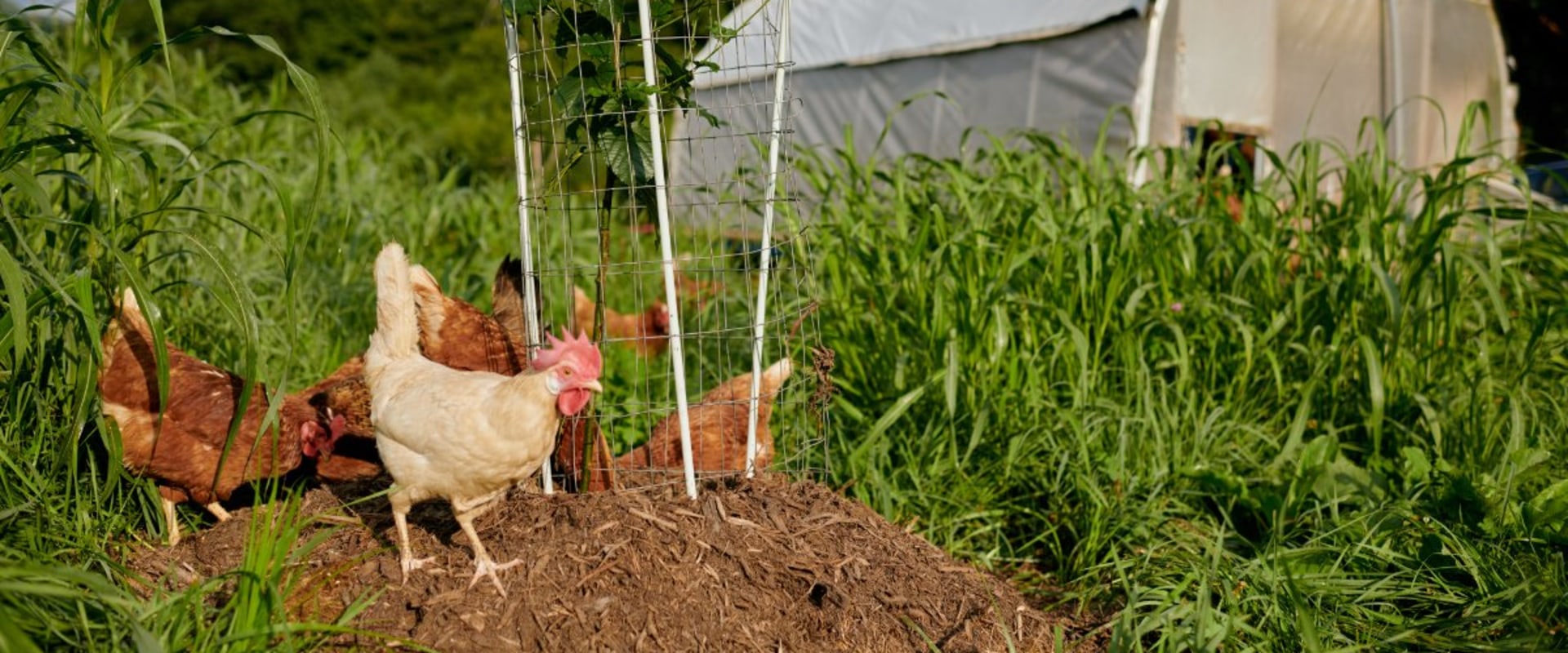
Farming in Waxhaw, North Carolina, is more than just a profession; it is a way of life deeply rooted in the community's culture and history. Nestled in the picturesque landscape of Union County, Waxhaw offers a unique blend of rich soil, favorable climate, and a supportive community that fosters agricultural endeavors. The region is known for its diverse farming practices, ranging from traditional crops to innovative sustainable methods, making it an ideal location for both seasoned farmers and newcomers alike. The significance of local agriculture in Waxhaw cannot be overstated. Farmers here not only contribute to the local economy but also play a crucial role in preserving the environment and promoting food security.
The close-knit community values fresh, locally sourced produce, which encourages farmers to engage in practices that are both economically viable and environmentally friendly. This connection between farmers and consumers creates a rewarding cycle that benefits everyone involved. As we delve deeper into the rewarding aspects of being a farmer in this charming town, it becomes clear that the joys of farming extend beyond financial gain. The sense of fulfillment derived from nurturing crops, raising livestock, and contributing to the community's well-being is unparalleled. In Waxhaw, farmers find themselves part of a legacy that honors hard work, dedication, and a profound respect for the land they cultivate.
The Community Connection: Building Relationships as a Farmer
For farmers in Waxhaw, North Carolina, the most rewarding aspect of their profession often lies in the deep-rooted connections they cultivate within their community.These relationships not only enhance their farming experience but also contribute significantly to the local economy and social fabric.
Building Relationships with Customers
- Farmers frequently engage with customers at local farmers' markets, where they can share their stories and the journey of their produce. This personal interaction fosters trust and loyalty, encouraging customers to support local agriculture.
- By offering farm tours and workshops, farmers create opportunities for community members to learn about sustainable practices and the importance of local food systems. This educational aspect strengthens the bond between farmers and consumers.
Collaboration with Neighbors
- Many farmers in Waxhaw collaborate with neighboring farms to share resources, knowledge, and labor. This cooperative spirit not only enhances productivity but also builds a sense of camaraderie among local producers.
- Participating in community events, such as harvest festivals or agricultural fairs, allows farmers to showcase their products while connecting with fellow residents.
These gatherings celebrate local culture and reinforce community ties.
Support from Local Organizations
- Local organizations play a crucial role in supporting farmers through grants, educational programs, and networking opportunities. By partnering with these entities, farmers can access valuable resources that help them thrive.
- Moreover, initiatives aimed at promoting local food systems encourage residents to prioritize purchasing from farmers in Waxhaw, further solidifying the relationship between producers and consumers.
Sustainable Practices: The Joy of Eco-Friendly Farming
For farmers in Waxhaw, North Carolina, embracing sustainable practices is not just a trend; it’s a way of life that brings immense satisfaction and rewards. The commitment to eco-friendly farming goes beyond mere compliance with regulations; it reflects a deep-seated respect for the land and a desire to contribute positively to the environment.One of the most fulfilling aspects of sustainable farming is the ability to produce healthy, organic food.By utilizing organic farming methods, farmers can cultivate crops without synthetic pesticides or fertilizers, ensuring that their produce is safe for consumers and beneficial for the ecosystem. This practice not only enhances soil health but also promotes biodiversity, creating a thriving habitat for various species.Moreover, sustainable farming in Waxhaw often involves innovative techniques such as crop rotation, cover cropping, and integrated pest management. These methods help maintain soil fertility and reduce erosion, which are crucial for long-term agricultural success. Farmers take pride in knowing that their efforts contribute to the sustainability of their local environment.
- Community Engagement: Many farmers engage with their local communities through farmers' markets and educational programs, sharing knowledge about sustainable practices and the importance of supporting local agriculture.
- Environmental Stewardship: By adopting eco-friendly practices, farmers play a vital role in combating climate change and preserving natural resources for future generations.
- Personal Fulfillment: The joy of seeing healthy crops flourish and knowing they are contributing to a healthier planet provides a profound sense of accomplishment.
For farmers in Waxhaw, North Carolina, these practices not only enhance their livelihoods but also foster a deeper connection with the land and community, making their work both meaningful and impactful.
Economic Benefits: The Financial Rewards of Local Farming
Being a farmer in Waxhaw, North Carolina, offers numerous economic benefits that extend beyond personal profitability. The agricultural sector plays a vital role in the local economy, providing jobs, supporting local businesses, and contributing to community development.One of the most significant financial rewards for farmers in Waxhaw is the ability to tap into local markets. With a growing demand for fresh, locally-sourced produce, farmers can sell directly to consumers through farmers' markets and community-supported agriculture (CSA) programs. This direct-to-consumer model not only increases profit margins but also fosters a strong connection between farmers and the community.- Job Creation: Local farming creates employment opportunities, from seasonal labor to full-time positions in various agricultural sectors.
- Support for Local Businesses: Farmers often rely on local suppliers for seeds, equipment, and services, which helps stimulate the local economy.
- Increased Property Values: Well-maintained farms can enhance the aesthetic appeal of the area, potentially increasing property values for nearby residents.
By growing a variety of crops and raising different types of livestock, they reduce reliance on single crops and create a more resilient economic environment. This diversity not only protects against market fluctuations but also attracts tourists interested in agritourism activities.In conclusion, the financial rewards of farming in Waxhaw are multifaceted. From direct sales to job creation and support for local businesses, farmers play an essential role in enhancing the economic landscape of this charming North Carolina town. Their contributions not only benefit their own livelihoods but also strengthen the community as a whole.
Cultural Heritage: Preserving Traditions Through Farming
Farming in Waxhaw, North Carolina, is not just about cultivating crops; it is a profound way to preserve the cultural heritage of the region.The agricultural practices here are steeped in history, reflecting the traditions passed down through generations. Farmers in Waxhaw embrace these traditions, ensuring that the essence of their local history remains alive.
Embracing Local Traditions
- Crop Diversity: Many farmers cultivate heirloom varieties of fruits and vegetables that have been grown in the area for decades. This not only supports biodiversity but also connects the community to its agricultural roots.
- Seasonal Festivals: Events such as harvest festivals celebrate local produce and traditional farming methods, allowing farmers to share their stories and experiences with the community.
- Community Supported Agriculture (CSA): By participating in CSA programs, farmers foster a direct relationship with consumers, educating them about sustainable practices and the importance of local agriculture.
This connection to history is particularly rewarding for farmers who see their efforts as a way to keep the past alive while nurturing the land for future generations.
Impact on Community Identity
The role of farmers in Waxhaw extends beyond mere production; they are custodians of local history. Their practices contribute to a unique community identity that celebrates both agricultural heritage and innovation. By sharing knowledge about traditional farming techniques, they inspire younger generations to appreciate and engage with their cultural roots.In conclusion, for farmers in Waxhaw, North Carolina, the most rewarding aspect of their work lies in their ability to preserve cultural heritage through agriculture. This dedication not only sustains their livelihoods but also strengthens community bonds and fosters a deeper appreciation for the land and its history.
Personal Fulfillment: The Emotional Rewards of Farming
For many farmers in Waxhaw, North Carolina, the journey of farming transcends mere economic gain; it is deeply rooted in personal fulfillment and emotional rewards.The connection to the land and the produce they cultivate fosters a profound sense of purpose that is hard to replicate in other professions.One of the most significant aspects of this emotional satisfaction is the passion for the land. Farmers often describe a unique bond with their fields, feeling a sense of stewardship over the environment. This relationship not only nurtures their crops but also enriches their lives. The changing seasons, the growth cycles, and the beauty of nature provide a backdrop for daily life that many find incredibly rewarding.
The Joy of Harvest
The culmination of hard work comes during harvest time, which is often described as one of the most joyous moments for farmers in Waxhaw.The sight of ripe fruits and vegetables ready for picking brings immense satisfaction. It’s a tangible reward for months of labor, and sharing this bounty with the community enhances that joy. Farmers often participate in local markets, where they can see firsthand how their produce impacts others’ lives.
Community Connection
Another layer of emotional fulfillment comes from the strong sense of community among farmers. In Waxhaw, there is a culture of support and camaraderie among local farmers.They share tips, resources, and even labor during peak seasons. This network not only helps them succeed but also creates lasting friendships that enrich their lives.Moreover, many farmers find joy in educating others about sustainable practices and the importance of local agriculture. Engaging with schools or hosting farm tours allows them to share their passion and knowledge, fostering a deeper appreciation for farming within the community.In conclusion, the emotional rewards of being a farmer in Waxhaw extend far beyond financial success. The personal fulfillment derived from nurturing the land, experiencing the joy of harvest, and building community connections creates a rich tapestry of experiences that make farming a truly rewarding vocation.
Challenges Faced by Farmers: Overcoming Obstacles for Rewarding Outcomes
Farming in Waxhaw, North Carolina, presents a unique set of challenges that can test the resilience and determination of local farmers in Waxhaw, North Carolina.From unpredictable weather patterns to fluctuating market prices, these obstacles require innovative solutions and a strong community spirit.
Weather Variability
- Farmers often face the threat of droughts or excessive rainfall, which can severely impact crop yields.
- Seasonal changes can also affect planting schedules, making it crucial for farmers to adapt quickly.
Market Fluctuations
- The prices of agricultural products can vary significantly, influenced by both local and global markets.
- Farmers must stay informed about market trends to make strategic decisions about what to plant and when to sell.
Pest and Disease Management
- Pests and diseases pose a constant threat to crops, requiring farmers to implement effective management strategies.
- Investing in sustainable practices can help mitigate these risks while promoting long-term soil health.
FAQs About Farming in Waxhaw, North Carolina
Farming in Waxhaw, North Carolina, is a rewarding endeavor, but it also comes with its own set of questions and concerns.Here are some frequently asked questions that can help clarify common inquiries about farmers in Waxhaw, North Carolina.
What types of crops are commonly grown in Waxhaw?
Farmers in Waxhaw typically cultivate a variety of crops, including:- Corn
- Soybeans
- Wheat
- Vegetables, such as tomatoes and peppers
- Fruits, including strawberries and blueberries
Are there any local farming organizations in Waxhaw?
Yes, there are several local organizations that support farmers in Waxhaw, North Carolina. These include:- The Union County Farm Bureau: This organization provides resources and advocacy for local farmers.
- Local Farmers' Markets: These markets offer a platform for farmers to sell their produce directly to consumers.
- Cooperative Extension Services: They provide educational resources and support for sustainable farming practices.
What challenges do farmers face in Waxhaw?
While farming can be rewarding, it also presents challenges such as:- Weather Variability: Unpredictable weather patterns can affect crop yields.
- Pest Management: Farmers must constantly manage pests that threaten their crops.
- Market Fluctuations: Prices for crops can vary significantly based on market demand.
How can I get involved in farming in Waxhaw?
If you're interested in becoming a farmer or getting involved in the agricultural community, consider:- Volunteering at local farms: This hands-on experience can provide valuable insights.
- Taking agricultural courses: Many community colleges offer programs focused on sustainable farming practices.
- Joining local agricultural groups: Networking with experienced farmers can open doors to opportunities.
Conclusion: The Multifaceted Rewards of Being a Farmer in Waxhaw
In conclusion, the journey of farmers in Waxhaw, North Carolina is rich with diverse rewards that extend beyond mere financial gain. The unique blend of community, sustainability, and personal fulfillment creates a fulfilling lifestyle that many aspire to achieve. One of the most significant aspects is the deep connection to the land. Farmers in this region cultivate not just crops but also a sense of stewardship over their environment.This relationship fosters a commitment to sustainable practices that benefit both the local ecosystem and future generations. Moreover, the sense of community among local farmers is unparalleled. Collaborations and support networks thrive, allowing farmers to share resources, knowledge, and experiences. This camaraderie enhances the farming experience, making it not just a profession but a way of life. Additionally, the opportunity to provide fresh, locally-sourced produce to the community adds another layer of satisfaction. Knowing that their hard work contributes to the health and well-being of their neighbors is a powerful motivator for many farmers. Lastly, the personal growth that comes from overcoming challenges in farming cannot be overstated.
Each season presents new hurdles, and navigating these obstacles fosters resilience and adaptability. In summary, being a farmer in Waxhaw is about much more than cultivating crops; it’s about nurturing relationships, embracing sustainability, and finding joy in the everyday challenges of agricultural life. For those considering this path or simply wishing to learn more about local agriculture, Waxhaw offers a vibrant tapestry of experiences waiting to be explored.