Farming in Waxhaw, North Carolina, is more than just a means of livelihood; it is a vital part of the community's identity and heritage. Nestled in the picturesque landscapes of Union County, this region boasts a rich agricultural history that has shaped its economy and culture. Local farmers in Waxhaw North Carolina engage in diverse practices, from traditional crop cultivation to innovative sustainable farming techniques. As these farmers work the land, they not only contribute to the local food supply but also play a significant role in the environmental dynamics of the area. The environmental impact of farming is a critical topic that warrants attention, especially in a community like Waxhaw where agriculture is deeply intertwined with daily life. engage in diverse practices, from traditional crop cultivation to innovative sustainable farming techniques. As these farmers work the land, they not only contribute to the local food supply but also play a significant role in the environmental dynamics of the area. The environmental impact of farming is a critical topic that warrants attention, especially in a community like Waxhaw where agriculture is deeply intertwined with daily life.
While farming can provide numerous benefits, such as preserving open spaces and supporting biodiversity, it can also lead to challenges like soil degradation, water pollution, and habitat loss. Understanding these impacts is essential for local residents and stakeholders who are invested in maintaining the health of their environment while supporting the agricultural sector. As we delve deeper into this discussion, we will explore how the practices of farmers in Waxhaw North Carolina influence both the local ecosystem and the broader environmental landscape. By examining both the positive contributions and potential drawbacks of farming activities, we aim to foster a more informed dialogue about sustainable practices that can benefit both agriculture and the environment in Waxhaw.
Overview of Farming Practices in Waxhaw
Farming in Waxhaw, North Carolina, is characterized by a diverse range of practices and crops that reflect the region's rich agricultural heritage. The area is known for its family-owned farms that prioritize sustainable methods while producing a variety of goods.Types of Farms in Waxhaw
In Waxhaw, farmers engage in several types of farming, including:- Crop Farming: Many local farmers cultivate crops such as corn, soybeans, and various vegetables.
These crops are often grown using both traditional and modern techniques to maximize yield while minimizing environmental impact.
- Livestock Farming: Some farms focus on raising livestock, including cattle, pigs, and poultry. These operations often emphasize humane treatment and sustainable practices.
- Organic Farming: A growing number of farmers in Waxhaw are adopting organic practices, which avoid synthetic pesticides and fertilizers. This approach not only benefits the environment but also caters to the increasing demand for organic produce.
- Specialty Farms: There are also farms that specialize in niche markets, such as flower production, herbs, and artisanal cheeses, contributing to the local economy and biodiversity.
Farming Practices
The farming practices employed by farmers in Waxhaw vary widely but often include:- No-Till Farming: This method helps preserve soil structure and reduce erosion by minimizing disturbance to the soil.
- Crop Rotation: Farmers rotate different crops in their fields to improve soil health and reduce pest populations.
- Integrated Pest Management (IPM): Many local farmers utilize IPM strategies to manage pests in an environmentally friendly manner.
Positive Environmental Impacts of Farming
Farming in Waxhaw, North Carolina, plays a crucial role in promoting positive environmental impacts that often go unnoticed.While the challenges of agriculture are frequently highlighted, it is essential to recognize the benefits that local farmers contribute to the ecosystem.
Biodiversity Enhancement
One of the significant advantages of farming is its ability to enhance biodiversity. Farmers in Waxhaw often implement practices that support a variety of plant and animal species. By maintaining hedgerows, cover crops, and crop rotations, they create habitats for wildlife, which can lead to healthier ecosystems. This diversity not only supports local fauna but also contributes to pest control and pollination, essential for sustainable crop production.Carbon Sequestration
Another critical environmental benefit of farming is carbon sequestration.Agricultural practices such as no-till farming and agroforestry allow farmers to capture and store carbon dioxide from the atmosphere. This process helps mitigate climate change by reducing greenhouse gas emissions. In Waxhaw, many farmers are adopting these sustainable practices, which not only improve soil health but also contribute to a reduction in the overall carbon footprint of the agricultural sector.
Sustainable Agriculture Practices
The shift towards sustainable agriculture is gaining momentum among farmers in Waxhaw. Techniques such as organic farming, integrated pest management, and permaculture are becoming more prevalent.These methods not only reduce reliance on chemical fertilizers and pesticides but also promote soil health and water conservation. By prioritizing sustainability, local farmers are ensuring that their practices benefit both the environment and future generations.In conclusion, while farming does present certain environmental challenges, the positive impacts—such as biodiversity enhancement, carbon sequestration, and sustainable practices—demonstrate that farmers in Waxhaw are making significant contributions to environmental health. Recognizing these benefits is vital for fostering a balanced perspective on agriculture's role in our community.
Negative Environmental Impacts of Farming
Farming in Waxhaw, North Carolina, while essential for local economies and food production, has significant negative environmental impacts that cannot be overlooked. These impacts manifest in various forms, including soil erosion, water pollution, and habitat destruction.Soil Erosion
One of the most pressing issues is soil erosion.
Intensive farming practices often strip the land of its natural vegetation, leading to a loss of topsoil. This not only diminishes soil fertility but also increases sediment runoff into nearby waterways. As farmers in Waxhaw expand their operations, the risk of erosion escalates, threatening the long-term viability of the land.
Water Pollution
Agricultural activities contribute significantly to water pollution. The use of fertilizers and pesticides can lead to nutrient runoff, which contaminates local streams and rivers.
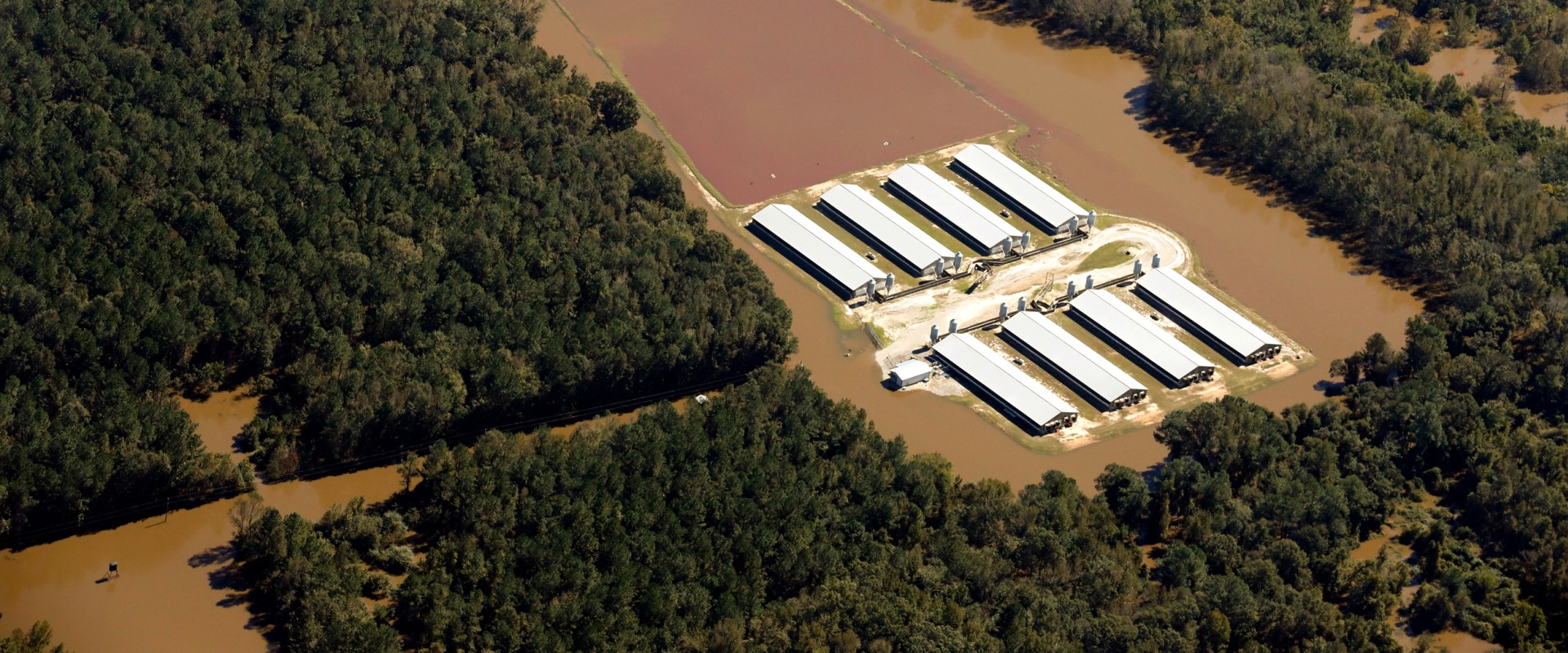
In Waxhaw, this runoff can result in algal blooms that deplete oxygen levels in water bodies, harming aquatic life. Additionally, livestock waste can introduce harmful pathogens into the water supply, posing risks to both human health and wildlife.
Habitat Destruction
The expansion of farmland often comes at the expense of natural habitats. As farmers clear land for crops or livestock, they disrupt local ecosystems and displace wildlife. This loss of biodiversity can have cascading effects on the environment, as each species plays a crucial role in maintaining ecological balance.In conclusion, while farming is vital for sustaining communities in Waxhaw, it is imperative to recognize and address its negative effects on the environment.
Sustainable practices must be adopted to mitigate these impacts and preserve the natural resources that future generations will depend on.
Water Usage and Management in Farming
Water is a vital resource for farmers in Waxhaw, North Carolina, as it directly impacts crop yield and sustainability. Effective water management practices are essential to ensure that agricultural activities do not deplete local water sources or harm surrounding ecosystems.Irrigation practices
in Waxhaw vary depending on the type of crops being cultivated and the specific needs of the land. Many farmers utilize advanced irrigation systems, such as drip irrigation and center pivot systems, which allow for precise water application. This not only conserves water but also minimizes runoff and evaporation losses.Moreover, water conservation techniques are increasingly being adopted by local farmers to enhance sustainability.These practices include:
- Rainwater harvesting: Collecting and storing rainwater for irrigation purposes helps reduce reliance on groundwater.
- Soil moisture monitoring: Utilizing technology to monitor soil moisture levels ensures that crops receive adequate water without over-irrigation.
- Cover cropping: Planting cover crops during off-seasons helps retain soil moisture and prevent erosion.
Soil Health and Fertility Issues
Farmers in Waxhaw, North Carolina, face significant challenges regarding soil health and fertility management. The region's agricultural practices have a direct impact on the quality of the soil, which is essential for sustainable farming.Over time, intensive farming methods can lead to soil degradation, reducing its ability to support crops effectively.One of the primary issues affecting soil health in Waxhaw is the depletion of essential nutrients. Continuous cropping without adequate replenishment can result in nutrient imbalances, making it crucial for farmers to adopt effective soil fertility management strategies. These strategies may include:
- Crop Rotation: Alternating different crops can help restore nutrients and break pest cycles.
- Cover Cropping: Planting cover crops during off-seasons can prevent erosion and enhance soil structure.
- Organic Amendments: Incorporating compost or manure can improve soil organic matter and nutrient content.
Additionally, utilizing precision agriculture techniques allows farmers to apply fertilizers and amendments more efficiently, reducing runoff and environmental impact.By focusing on these sustainable practices, farmers in Waxhaw can enhance their soil health, ensuring long-term productivity while also protecting the surrounding ecosystem. The commitment to improving soil fertility not only benefits individual farms but also contributes to the overall sustainability of agriculture in the region.
Impact on Local Wildlife and Biodiversity
The impact of farming on local wildlife and biodiversity in Waxhaw, North Carolina is a multifaceted issue that requires careful consideration. As agricultural practices expand, they can significantly alter the natural habitats that many species rely on for survival. The conversion of forests and wetlands into farmland often leads to habitat loss, which can threaten local wildlife populations.One of the primary concerns is the reduction of biodiversity.Intensive farming practices can lead to monocultures, where a single crop is grown over a large area. This not only diminishes the variety of plant life but also affects the animals that depend on diverse ecosystems for food and shelter. For instance, species such as birds, insects, and small mammals may find it increasingly difficult to thrive in areas dominated by a single crop type.
Wildlife Impact from Farming
- Habitat Fragmentation: Farming can fragment habitats, isolating wildlife populations and making it harder for them to find mates or migrate.
- Pesticide Use: The application of pesticides can have detrimental effects on non-target species, including pollinators like bees, which are crucial for maintaining healthy ecosystems.
- Water Quality: Runoff from farms can lead to nutrient pollution in local waterways, affecting aquatic life and disrupting food chains.
These include:
- Crop Rotation: This practice helps maintain soil health and reduces the need for chemical fertilizers and pesticides.
- Buffer Zones: Establishing buffer zones around water bodies can help filter runoff and protect aquatic habitats.
- Wildlife Corridors: Creating corridors allows animals to move safely between fragmented habitats, promoting genetic diversity and population stability.
Community Perspectives on Farming and Environment
In Waxhaw, North Carolina, the relationship between farmers and the community is complex and multifaceted. Local residents often express a deep appreciation for the agricultural landscape that defines their town. Many community members recognize that farming not only contributes to the local economy but also shapes the cultural identity of Waxhaw.However, there are varying opinions regarding the environmental impacts of farming practices.Some residents are concerned about issues such as soil erosion, water quality, and pesticide use. These concerns have led to discussions about sustainable farming practices that can mitigate negative environmental effects while still supporting local agriculture.
Community Views on Sustainable Practices
- Support for Organic Farming: A segment of the community advocates for organic farming methods, believing they are less harmful to the environment. They argue that organic practices can enhance soil health and biodiversity.
- Water Conservation Efforts: Many local farmers are adopting water conservation techniques, which have garnered positive feedback from residents who are concerned about water resources in the area.
- Education and Awareness: Community workshops and events focused on sustainable agriculture have been well-received, fostering a dialogue between farmers and residents about best practices.
This collaborative approach not only helps in building trust but also encourages innovative solutions that benefit both agriculture and the environment.Ultimately, fostering open communication between farmers and the community is essential for creating a sustainable agricultural future in Waxhaw. By understanding each other's perspectives, both parties can work together to find common ground that supports local farming while protecting the environment.
Future Trends in Farming and Environmental Sustainability
As the agricultural landscape in Waxhaw, North Carolina continues to evolve, farmers are increasingly adopting practices that prioritize environmental sustainability. The future of farming in this region is being shaped by a combination of innovative technologies and a growing awareness of ecological impacts.Sustainable agriculture trends
are gaining traction among local farmers, who are recognizing the importance of maintaining soil health, conserving water, and reducing chemical inputs. Techniques such as crop rotation, cover cropping, and integrated pest management are becoming standard practices.These methods not only enhance biodiversity but also improve resilience against climate change.
Innovations in Farming Practices
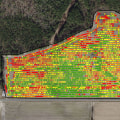
Technological advancements are playing a crucial role in promoting sustainability. For instance, precision agriculture tools allow farmers in Waxhaw to monitor soil conditions and crop health with remarkable accuracy. This data-driven approach enables them to apply resources more efficiently, minimizing waste and environmental impact.- Drone technology: Farmers are utilizing drones for aerial imaging and monitoring crop health, which helps in making informed decisions about irrigation and fertilization.
- Vertical farming: This innovative method allows for growing crops in stacked layers, significantly reducing land use and water consumption.
- Organic farming: A shift towards organic practices is evident as consumers demand healthier food options. This trend not only benefits human health but also reduces chemical runoff into local waterways.
By encouraging local purchasing, these initiatives help reduce the carbon footprint associated with transporting food over long distances.In conclusion, the future of farming in Waxhaw is poised for transformation through sustainable practices and innovative technologies. As farmers embrace these changes, they contribute to a healthier environment while ensuring the viability of agriculture for generations to come.
Conclusion: Balancing Agriculture and Environmental Health in Waxhaw
In conclusion, the impact of farming on the environment in Waxhaw, North Carolina is multifaceted, requiring a careful balance between agricultural productivity and ecological sustainability. Throughout this article, we have explored various aspects of how local farmers in Waxhaw, North Carolina contribute to both the economy and the environment.One of the key points highlighted is the necessity for sustainable farming practices. By adopting methods such as crop rotation, organic farming, and integrated pest management, farmers can significantly reduce their environmental footprint.These practices not only enhance soil health but also promote biodiversity, which is crucial for maintaining a balanced ecosystem.Moreover, the role of community engagement cannot be overstated. Local initiatives that encourage farmers in Waxhaw to collaborate with environmental organizations can lead to innovative solutions that benefit both agriculture and nature. For instance, programs that focus on water conservation and soil preservation can help mitigate the adverse effects of farming on local waterways and habitats.As we look towards the future, it is essential for stakeholders—including farmers, policymakers, and residents—to work together in fostering an agricultural landscape that prioritizes environmental health. This collaborative approach will not only ensure the longevity of farming in Waxhaw but also protect the natural resources that are vital for future generations.Ultimately, achieving a sustainable balance between agriculture and environmental health is not just an option; it is a necessity for the well-being of both the community and the ecosystem.
By embracing sustainable practices and fostering collaboration among all stakeholders, farmers in Waxhaw, North Carolina, can lead the way toward a more sustainable agricultural future.