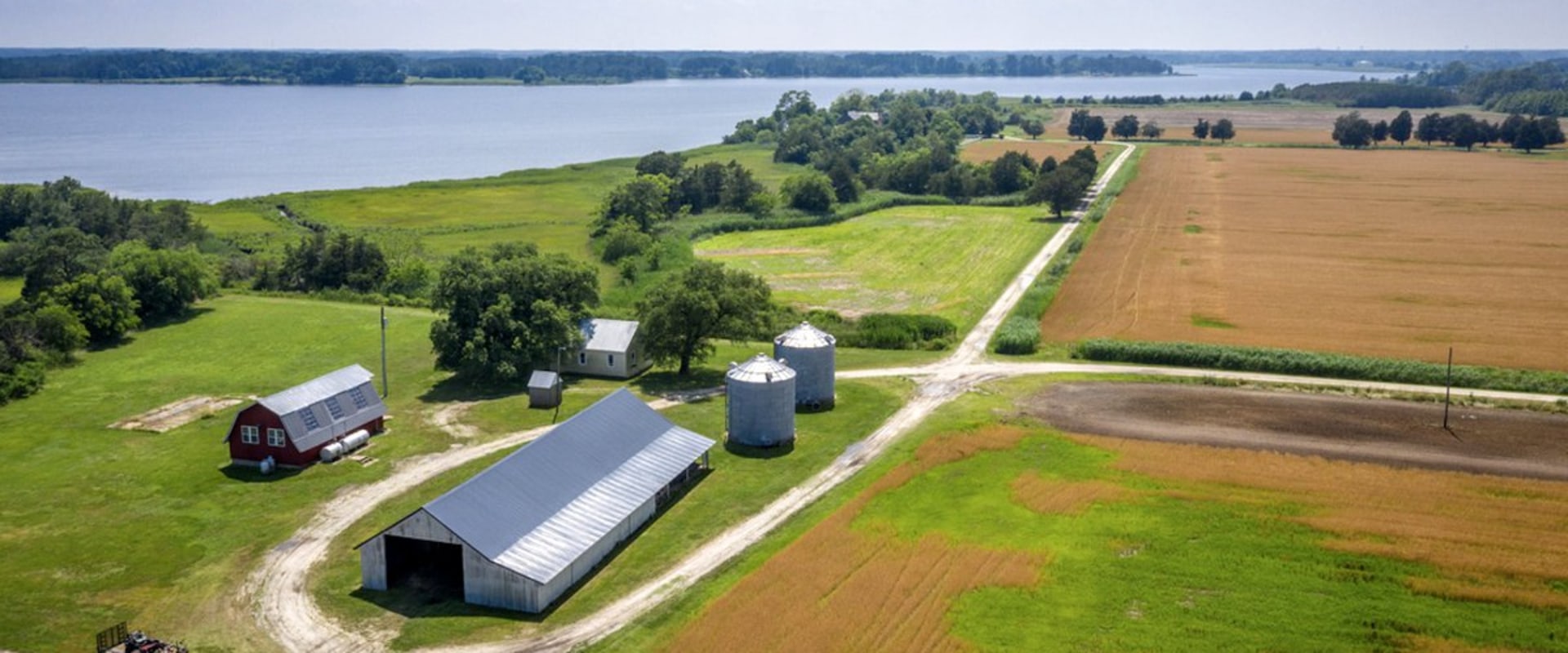
Water scarcity is an increasingly pressing issue that affects agricultural practices across the United States, and farmers in Waxhaw, North Carolina are no exception. Nestled in the heart of Union County, Waxhaw's rich agricultural landscape is often challenged by fluctuating water availability, which can significantly impact crop yields and livestock health. As climate patterns shift and population growth intensifies, understanding the nuances of water scarcity becomes essential for local farmers striving to maintain sustainable practices.The agricultural challenges faced by farmers in this region are multifaceted. Limited rainfall during critical growing seasons can lead to drought conditions, forcing farmers to adapt their irrigation strategies and crop selections.
Moreover, the competition for water resources from urban development and recreational needs further complicates the situation. As a result, local farmers must not only contend with natural variability but also navigate the socio-economic factors that influence water access.In response to these challenges, many farmers in Waxhaw are exploring innovative solutions to manage their water resources more effectively. From implementing advanced irrigation techniques to adopting drought-resistant crop varieties, these strategies are crucial for ensuring that agriculture remains viable in the face of water scarcity. By examining how these farmers adapt to their changing environment, we can gain valuable insights into the resilience of local agriculture and the importance of sustainable water management practices.
The Impact of Water Scarcity on Agriculture
Water scarcity poses significant challenges for farmers in Waxhaw, North Carolina, impacting various aspects of agricultural productivity.As climate patterns shift and drought conditions become more frequent, the availability of water for irrigation and livestock has become increasingly uncertain. One of the most immediate effects of water scarcity is on crop yields. Insufficient water supply can lead to stunted growth, reduced fruit size, and lower overall production. Farmers often find themselves making tough decisions about which crops to prioritize, as some may require more water than others. This can lead to a decrease in crop diversity, which is essential for maintaining soil health and resilience against pests and diseases. Moreover, livestock health is also compromised during periods of water shortage.
Animals require adequate hydration to maintain their health and productivity. Dehydration can lead to decreased milk production in dairy cows and lower weight gain in beef cattle. Farmers must invest in alternative water sources or implement more efficient watering systems to ensure their livestock remain healthy. The overall productivity of farms in Waxhaw is at risk due to these challenges. With less reliable access to water, farmers may experience increased operational costs as they seek out solutions such as drilling new wells or purchasing water from external sources.
Additionally, the stress of managing water resources can lead to decreased morale among farmers, affecting their long-term sustainability. In response to these challenges, many farmers are adopting innovative practices such as rainwater harvesting, drip irrigation systems, and drought-resistant crop varieties. These strategies not only help mitigate the effects of water scarcity but also promote a more sustainable approach to farming in the region.
Traditional Water Management Practices
Farmers in Waxhaw, North Carolina, have long relied on traditional water management practices to cope with the challenges of water scarcity. These methods, rooted in generations of agricultural knowledge, are essential for sustaining their crops and livestock.One of the most common practices is the use of rainwater harvesting. Farmers collect rainwater from rooftops and other surfaces, storing it in barrels or cisterns for later use.This not only conserves water but also reduces dependency on municipal sources.Additionally, many farmers implement crop rotation and cover cropping techniques. By alternating the types of crops grown in a particular field, they can improve soil health and moisture retention. Cover crops, such as clover or rye, are planted during off-seasons to protect the soil and enhance its ability to hold water.
Irrigation methods
also play a crucial role in traditional water management. Farmers often utilize drip irrigation, which delivers water directly to the plant roots, minimizing evaporation and runoff.
This method is particularly effective in conserving water while ensuring that crops receive adequate moisture.Moreover, mulching is a widely adopted practice among farmers in Waxhaw. By covering the soil with organic materials like straw or wood chips, they can reduce evaporation rates and maintain soil temperature, which is vital during dry spells.Lastly, community collaboration is key. Farmers often share resources and knowledge about effective water management strategies. This collective approach not only strengthens their resilience against water scarcity but also fosters a sense of community among local agriculturalists.In summary, the traditional water management practices employed by farmers in Waxhaw, North Carolina, reflect a deep understanding of their environment and a commitment to sustainable agriculture.
Through techniques like rainwater harvesting, crop rotation, drip irrigation, mulching, and community collaboration, these farmers continue to thrive despite the challenges posed by limited water resources.
Innovative Solutions for Water Conservation
Farmers in Waxhaw, North Carolina are increasingly adopting innovative solutions to tackle the pressing issue of water scarcity. With changing climate patterns and growing demand for agricultural products, these farmers are implementing various water conservation techniques that not only enhance efficiency but also promote sustainable agriculture.One of the most effective methods being utilized is drip irrigation. This technique delivers water directly to the plant roots, minimizing evaporation and runoff. By using this system, farmers can significantly reduce their water usage while ensuring that crops receive the necessary moisture for optimal growth.Additionally, many farmers are turning to rainwater harvesting.This involves collecting and storing rainwater from rooftops and other surfaces for later use in irrigation. By capturing this natural resource, farmers can supplement their water supply during dry spells, reducing reliance on groundwater and municipal sources.
Soil moisture sensors
are another innovative tool being embraced by farmers in Waxhaw. These sensors provide real-time data on soil moisture levels, allowing farmers to make informed decisions about when and how much to irrigate. This precision farming approach not only conserves water but also enhances crop yields by ensuring that plants receive adequate hydration without overwatering.Moreover, the adoption of cover crops plays a crucial role in water conservation.
By planting cover crops during off-seasons, farmers can improve soil structure and increase its ability to retain moisture. This practice not only helps in conserving water but also reduces soil erosion and enhances biodiversity.Lastly, community initiatives aimed at educating farmers about sustainable practices are gaining traction. Workshops and training sessions focus on sharing knowledge about sustainable agriculture, equipping local farmers with the skills needed to implement these innovative solutions effectively.Through these combined efforts, farmers in Waxhaw are not only addressing the challenges posed by water scarcity but are also paving the way for a more sustainable future in agriculture.
Community Efforts and Collaboration
In Waxhaw, North Carolina, farmers are increasingly recognizing the importance of community efforts and collaboration to combat the challenges posed by water scarcity. By working together, they can share resources, knowledge, and innovative practices that enhance their resilience against drought conditions.One notable initiative is the formation of local community farming groups.These groups serve as platforms for farmers to discuss their experiences with water management and to explore sustainable agricultural practices. Through regular meetings and workshops, farmers exchange ideas on efficient irrigation techniques, crop selection, and soil conservation methods that help retain moisture.
- Water Conservation Workshops: Local organizations often host workshops focused on water conservation strategies. Farmers learn about rainwater harvesting systems and drip irrigation methods that minimize water waste.
- Shared Resources: Many farmers in Waxhaw have started pooling resources to invest in shared equipment, such as high-efficiency irrigation systems. This not only reduces costs but also ensures that all members have access to the latest technology.
- Collaborative Research: Partnerships with local universities and agricultural extension services allow farmers to participate in research projects aimed at developing drought-resistant crop varieties.
Local government and non-profit organizations play a crucial role in supporting these initiatives. They provide funding for community projects and facilitate connections between farmers and experts in sustainable agriculture.The collective efforts of farmers in Waxhaw, combined with support from local organizations, create a robust network dedicated to addressing water scarcity. This collaborative spirit not only enhances individual farm productivity but also strengthens the entire agricultural community's ability to adapt to changing environmental conditions.
Government Policies and Support Programs
In Waxhaw, North Carolina, farmers face significant challenges due to water scarcity, and government policies play a crucial role in providing the necessary support. Various programs are designed to assist these farmers in managing their water resources effectively.One of the primary avenues of support comes from federal and state agricultural grants aimed at enhancing water management practices.These grants often fund projects that promote sustainable irrigation techniques, which are essential for conserving water while maximizing crop yield. For instance, the U.S. Department of Agriculture (USDA) offers programs that help farmers implement advanced irrigation systems that reduce water waste.Additionally, local government initiatives focus on water management policies that encourage farmers to adopt best practices. These policies may include:
- Water conservation education: Workshops and training sessions are organized to educate farmers about efficient water use and innovative farming techniques.
- Incentives for sustainable practices: Financial incentives are provided to farmers who implement water-saving technologies or participate in conservation programs.
- Collaboration with environmental agencies: Partnerships with organizations focused on environmental sustainability help farmers access resources and expertise in managing water scarcity.
These loans often come with favorable terms, making it easier for farmers to invest in technologies that can mitigate the impacts of drought.Overall, the combination of government support, educational initiatives, and financial assistance plays a vital role in helping farmers in Waxhaw navigate the challenges posed by water scarcity. By leveraging these resources, they can adopt more sustainable practices that not only benefit their operations but also contribute to the long-term health of the local ecosystem.
Case Studies: Successful Adaptations by Local Farmers
Farmers in Waxhaw, North Carolina, have faced significant challenges due to water scarcity, but many have turned these challenges into opportunities through innovative practices. Here are a few case studies that highlight successful adaptations by local farmers.Drip Irrigation Implementation
One notable example is the Smith Family Farm, which specializes in organic vegetables. To combat water shortages, they adopted drip irrigation systems that deliver water directly to the plant roots.This method not only conserves water but also enhances crop yield by ensuring that plants receive the precise amount of moisture they need.
Crop Rotation and Drought-Resistant Varieties
Another farmer, Jane Doe of Doe Farms, has successfully implemented crop rotation and introduced drought-resistant crop varieties. By rotating crops, she improves soil health and reduces the risk of pest infestations. Additionally, her choice to plant varieties such as sorghum and millet has proven effective in minimizing water usage while maintaining productivity.Rainwater Harvesting Techniques
The Johnson Family, who run a mixed livestock and crop operation, have invested in rainwater harvesting systems. They collect rainwater from their barn roofs and store it in large tanks for irrigation during dry spells.This sustainable practice not only reduces reliance on municipal water sources but also helps manage costs associated with water procurement.
Community Collaboration
A collaborative effort among local farmers has also emerged, where they share resources and knowledge about efficient water use. The Waxhaw Agricultural Cooperative organizes workshops that focus on sustainable farming techniques, including water conservation strategies. This community-driven approach fosters resilience among farmers in the face of ongoing water scarcity.These case studies illustrate how farmers in Waxhaw, North Carolina, are not only adapting to water scarcity but are also setting examples for sustainable agricultural practices that can be emulated by others facing similar challenges.Future Outlook: Challenges and Opportunities Ahead
As farmers in Waxhaw, North Carolina look to the future, they face a complex landscape shaped by ongoing challenges related to water scarcity. The increasing unpredictability of weather patterns, coupled with prolonged droughts, poses significant risks to crop yields and livestock health.These challenges necessitate innovative approaches to water management and agricultural practices.One of the primary challenges ahead for farmers is the need to adapt to changing climatic conditions. With temperatures rising and rainfall becoming less predictable, farmers must invest in sustainable irrigation techniques that maximize water efficiency. This includes adopting technologies such as drip irrigation and rainwater harvesting systems, which can help mitigate the effects of water scarcity.However, amidst these challenges lie numerous opportunities for growth and innovation in agriculture. For instance, the demand for drought-resistant crops is on the rise.
Farmers in Waxhaw can explore partnerships with agricultural research institutions to develop and cultivate varieties that require less water while maintaining high yields.Moreover, there is a growing market for organic and locally sourced produce. By focusing on sustainable farming practices, farmers can not only address water scarcity but also tap into consumer preferences for environmentally friendly products. This shift could lead to increased profitability and a stronger community connection.In addition, collaboration among local farmers can foster knowledge sharing and resource pooling. Establishing cooperative networks allows farmers to collectively invest in advanced irrigation systems and share best practices for managing water resources effectively.In conclusion, while the future presents significant challenges related to water scarcity for farmers in Waxhaw, North Carolina, it also opens doors for innovation and sustainable practices that can enhance resilience and profitability in the agricultural sector.
FAQs about Water Scarcity and Farming in Waxhaw
Farmers in Waxhaw, North Carolina, face numerous challenges due to water scarcity, prompting many to seek innovative solutions.Here are some frequently asked questions regarding this pressing issue:
What are the main causes of water scarcity for farmers in Waxhaw?
Water scarcity in Waxhaw can be attributed to several factors:- Climate Change: Altered weather patterns lead to unpredictable rainfall.
- Increased Demand: As the population grows, so does the demand for water for both agricultural and residential use.
- Soil Degradation: Poor soil management practices can reduce the land's ability to retain moisture.
How do farmers in Waxhaw conserve water?
To combat water scarcity, farmers in Waxhaw employ various conservation techniques:- Drip Irrigation: This method delivers water directly to the plant roots, minimizing waste.
- Rainwater Harvesting: Collecting rainwater helps supplement irrigation needs during dry spells.
- Cover Cropping: Planting cover crops improves soil health and moisture retention.
What crops are most affected by water scarcity in Waxhaw?
Crops that require significant amounts of water, such as:- Corn
- Soybeans
- Tobacco
Are there any government programs to assist farmers with water issues?
Yes, various local and state programs provide resources and funding for farmers facing water scarcity challenges. These programs often focus on:- Improving irrigation efficiency
- Promoting sustainable farming practices
- Offering financial assistance for infrastructure improvements