Waxhaw, North Carolina, is a vibrant hub for local agriculture, where the rich soil and favorable climate create ideal conditions for a variety of crops. Farmers in Waxhaw, North Carolina, are deeply rooted in their community, often employing traditional farming practices that have been passed down through generations. This commitment to sustainable agriculture not only supports the local economy but also fosters a strong connection between farmers and consumers.The agricultural landscape in Waxhaw is diverse, featuring everything from small family-owned farms to larger commercial operations. These farmers are dedicated to producing high-quality fruits, vegetables, and grains while also being stewards of the land.
As they navigate the challenges of modern farming, including pest and disease management, they often turn to innovative techniques that blend traditional wisdom with contemporary science.Understanding how farmers in Waxhaw handle pests and diseases is crucial for appreciating the complexities of local agriculture. With the increasing pressures from climate change and evolving pest populations, these farmers must adapt their strategies to protect their crops effectively. This section sets the stage for a deeper exploration of the methods employed by these dedicated individuals to ensure healthy harvests while maintaining ecological balance.
Understanding Common Pests and Diseases in Waxhaw
Farmers in Waxhaw, North Carolina, face a variety of challenges when it comes to managing pests and diseases that threaten their crops. Understanding the most common pests and diseases in the area is essential for effective crop management.Common Pests in Waxhaw
- Corn Earworm: This pest is notorious for infesting corn crops, causing significant damage to the ears. Farmers often monitor their fields closely during the growing season to identify early signs of infestation.
- Squash Bug: Known for attacking squash and pumpkin plants, squash bugs can lead to wilting and reduced yields. Farmers utilize traps and natural predators to keep their populations in check.
- Aphids: These small insects can quickly multiply and weaken plants by sucking sap. Farmers in Waxhaw often employ insecticidal soaps or introduce beneficial insects like ladybugs to control aphid populations.
- Powdery Mildew: This fungal disease affects a variety of crops, including cucumbers and tomatoes.
Farmers combat powdery mildew by ensuring proper air circulation and applying fungicides when necessary.
- Bacterial Wilt: Particularly harmful to cucumbers and melons, bacterial wilt can devastate entire fields. Early detection is crucial, and farmers often rotate crops to prevent its spread.
In conclusion, understanding the common pests and diseases affecting crops in Waxhaw enables farmers to adopt proactive measures. By staying informed and utilizing integrated pest management practices, they can protect their yields and ensure sustainable farming practices.
Integrated Pest Management (IPM) Practices
Farmers in Waxhaw, North Carolina, are increasingly adopting Integrated Pest Management (IPM) practices to effectively manage pests and diseases while promoting sustainability. This holistic approach combines various strategies to minimize the reliance on chemical pesticides, ensuring healthier crops and a safer environment.IPM strategies
employed by these farmers typically include:- Monitoring and Identification: Farmers regularly scout their fields to monitor pest populations and identify potential threats. This proactive approach allows them to make informed decisions about pest control.
- Cultural Practices: Implementing crop rotation, selecting resistant crop varieties, and adjusting planting dates are common cultural practices that help disrupt pest life cycles and reduce infestations.
- Biological Control: Many farmers in Waxhaw utilize natural predators, such as ladybugs and parasitic wasps, to keep pest populations in check.
This method not only reduces the need for chemical interventions but also supports biodiversity.
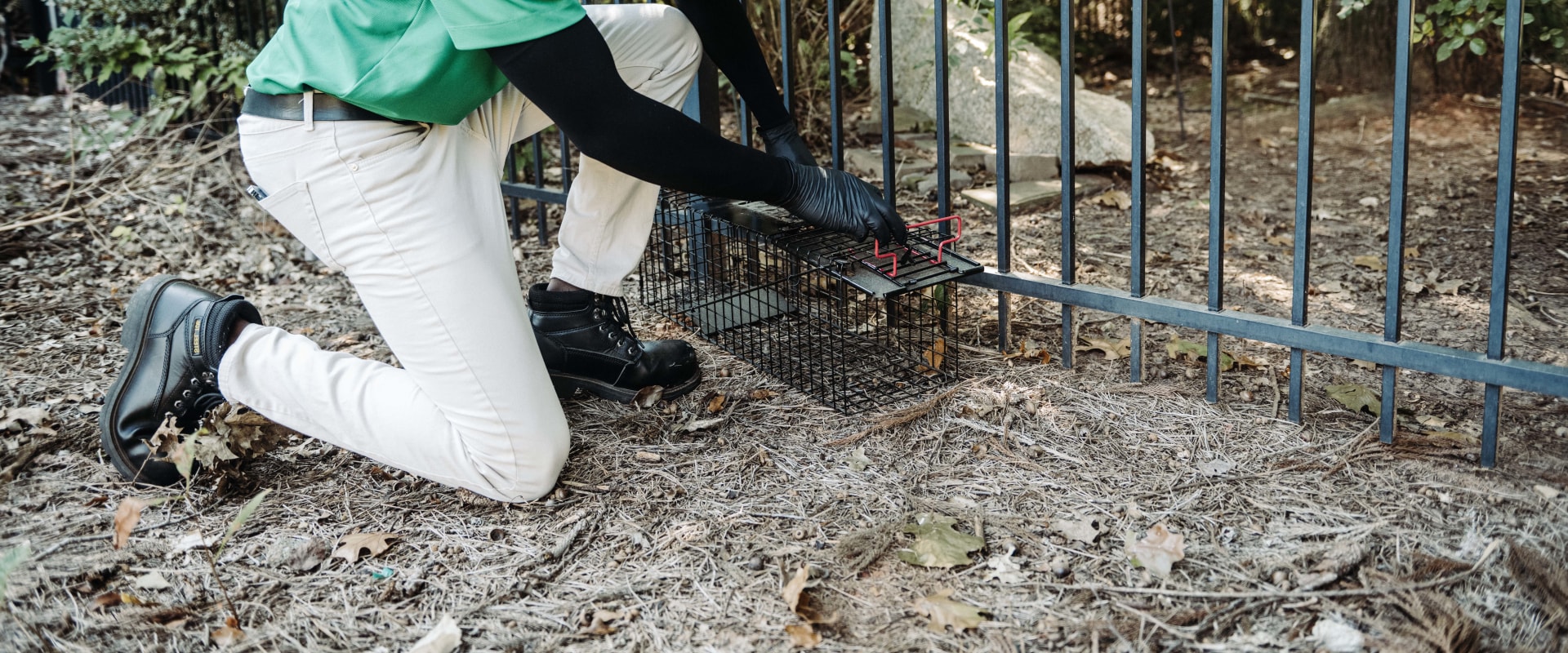
- Mechanical Control: Physical barriers like row covers and traps are employed to prevent pests from reaching crops. Additionally, hand-picking pests can be an effective strategy for small-scale operations.
- Targeted Chemical Use: When necessary, farmers opt for targeted applications of organic or less harmful pesticides, applying them only when pest thresholds are exceeded. This minimizes chemical exposure while still protecting crops.
Cultural Practices for Disease Prevention
Farmers in Waxhaw, North Carolina employ a variety of cultural practices to effectively manage and prevent diseases in their crops.These methods are crucial for maintaining soil health and ensuring robust plant growth, ultimately leading to higher yields.One of the most effective strategies is crop rotation. By alternating the types of crops grown in a particular field each season, farmers can disrupt the life cycles of pests and pathogens that thrive on specific plants. For instance, rotating between legumes and non-leguminous crops can enhance soil fertility while reducing the risk of disease.In addition to crop rotation, soil management plays a vital role in disease prevention. Farmers in Waxhaw often focus on improving soil structure and fertility through practices such as:
- Cover cropping: Planting cover crops during the off-season helps prevent soil erosion, suppress weeds, and improve soil organic matter.
- Soil testing: Regular testing allows farmers to understand nutrient levels and pH balance, enabling them to make informed decisions about amendments.
- Organic matter addition: Incorporating compost or well-rotted manure enhances soil health and promotes beneficial microbial activity that can outcompete harmful pathogens.
Farmers also emphasize the importance of selecting disease-resistant crop varieties whenever possible, as this can significantly lower the incidence of crop failure due to disease.By integrating these cultural practices into their farming routines, farmers in Waxhaw not only protect their crops from diseases but also contribute to sustainable agricultural practices that benefit the environment.
Chemical Control Options Available to Farmers
Farmers in Waxhaw, North Carolina, face a variety of pest and disease challenges that can threaten their crops. To combat these issues, many turn to chemical control options, which include a range of pesticides designed to target specific pests while minimizing harm to the environment and beneficial organisms.One of the most common types of pesticides used in Waxhaw is insecticides, which are formulated to eliminate harmful insects that can damage crops. These products can be either synthetic or derived from natural sources. For instance, farmers may use neonicotinoids, which are effective against a variety of pests but require careful application due to their potential impact on pollinators.Another category is fungicides, which help manage fungal diseases that can devastate crops.Farmers often select fungicides based on the specific pathogens present in their fields, ensuring they choose the most effective product for their needs.
Safe Pesticide Application
The safe application of pesticides is crucial for both the health of the crops and the surrounding ecosystem. Farmers in Waxhaw adhere to strict guidelines to ensure that they apply these chemicals responsibly. This includes:- Following Label Instructions: Farmers must read and understand the pesticide label, which provides essential information on dosage, timing, and safety precautions.
- Using Protective Gear: When applying pesticides, farmers often wear protective clothing and equipment to minimize exposure.
- Avoiding Application During Windy Conditions: To prevent drift and unintended exposure to non-target areas, applications are typically scheduled during calm weather.
- Implementing Integrated Pest Management (IPM): Many farmers combine chemical controls with cultural practices and biological controls as part of an IPM strategy, reducing reliance on pesticides alone.
The Role of Technology in Pest Management
In recent years, farmers in Waxhaw, North Carolina have increasingly turned to technology to enhance their pest management strategies.The integration of advanced tools and systems has revolutionized how these farmers monitor and control pests and diseases affecting their crops.
Drones
have emerged as a game-changer in precision agriculture. These unmanned aerial vehicles allow farmers to survey large areas of farmland quickly and efficiently. Equipped with high-resolution cameras and sensors, drones can identify problem areas by capturing detailed images that reveal crop health, moisture levels, and pest infestations. This real-time data enables farmers to make informed decisions about where to apply treatments, reducing the need for widespread pesticide use.Another significant advancement is the use of software applications designed for pest management.
These platforms often incorporate data analytics and machine learning algorithms to predict pest outbreaks based on historical data and environmental conditions. By analyzing factors such as temperature, humidity, and crop growth stages, these tools help farmers in Waxhaw anticipate potential threats before they escalate.
- Remote Sensing: Technologies like satellite imagery provide insights into crop health and pest presence over vast areas.
- Integrated Pest Management (IPM): Farmers are utilizing software that supports IPM practices, allowing them to combine biological control methods with targeted chemical applications.
- Mobile Apps: Many farmers now use mobile applications that offer pest identification features, enabling them to quickly diagnose issues while in the field.
Community Resources and Support for Farmers
Farmers in Waxhaw, North Carolina benefit from a variety of community resources and support systems designed to enhance their agricultural practices, particularly in managing pests and diseases.These resources not only provide essential information but also foster collaboration among local farmers.
Local Agricultural Extension Services
- The North Carolina Cooperative Extension offers invaluable support to farmers in Waxhaw. They provide educational programs focused on integrated pest management (IPM), which helps farmers identify and control pest populations effectively.
- Workshops and field days organized by the extension service allow farmers to learn about the latest pest management techniques and share experiences with peers.
Farmer Cooperatives
- Farmer cooperatives in Waxhaw play a crucial role in supporting local agriculture. These cooperatives often pool resources, allowing farmers to access shared equipment and bulk purchasing options for pest control products.
- Cooperatives also facilitate knowledge exchange, where members can discuss challenges related to pest management and share successful strategies.
Community Support Networks
- Local organizations, such as the Waxhaw Farmers Market, provide a platform for farmers to connect with consumers, which can lead to increased awareness about sustainable farming practices, including pest management.
- Networking events and community gatherings encourage collaboration among farmers, enabling them to tackle common issues related to pests and diseases more effectively.
Case Studies: Successful Pest Management by Local Farmers
Farmers in Waxhaw, North Carolina, have developed innovative strategies to combat pests and diseases, showcasing their resilience and adaptability. Here are a few case studies that highlight successful pest management practices:Case Study 1: Organic Vegetable Farm
One local farmer, Jane Smith, operates an organic vegetable farm where she faced significant challenges with aphids and whiteflies.To manage these pests, Jane implemented a combination of integrated pest management (IPM) techniques. She introduced beneficial insects such as ladybugs and lacewings, which naturally prey on aphids. Additionally, she utilized neem oil as a natural pesticide, reducing her reliance on chemical treatments. As a result, Jane reported a 70% decrease in pest populations and an increase in crop yield.
Case Study 2: Vineyard Success
Another example comes from a local vineyard owned by Tom Johnson.Tom struggled with powdery mildew affecting his grapevines. To tackle this issue, he adopted a proactive approach by planting resistant grape varieties and implementing a strict pruning schedule to improve air circulation. Furthermore, he applied organic fungicides at the first sign of disease. This multifaceted strategy not only minimized the impact of powdery mildew but also enhanced the overall health of his vineyard.
Case Study 3: Community Collaboration
A group of farmers in Waxhaw formed a cooperative to share resources and knowledge about pest management.They organized workshops focusing on crop rotation, cover cropping, and the use of trap crops to divert pests away from main crops. This collaborative effort has led to improved pest control across their farms, demonstrating the power of community in addressing agricultural challenges.These case studies illustrate that farmers in Waxhaw, North Carolina, are not only facing pest and disease challenges head-on but are also finding effective solutions through innovation and collaboration. Their experiences serve as valuable lessons for other farmers looking to enhance their pest management strategies.
Frequently Asked Questions about Pest Management in Waxhaw
Farmers in Waxhaw, North Carolina, often encounter various challenges related to pest management. Here are some frequently asked questions that can help clarify common concerns:- What are the most common pests affecting crops in Waxhaw?
Farmers frequently deal with pests such as aphids, caterpillars, and spider mites.These pests can significantly impact crop yield if not managed effectively.
- How do farmers in Waxhaw monitor pest populations?
Many farmers utilize integrated pest management (IPM) techniques, which include regular field scouting and the use of traps to monitor pest populations. This proactive approach allows them to identify potential outbreaks early. - What are some effective pest control tips for farmers in Waxhaw?
- Implement crop rotation to disrupt pest life cycles.
- Use resistant crop varieties whenever possible.
- Encourage natural predators, such as ladybugs and lacewings, to help control pest populations naturally. - Are there any organic pest control methods available?
Yes, many farmers in Waxhaw are turning to organic solutions like neem oil, insecticidal soaps, and diatomaceous earth. These methods are effective while being environmentally friendly. - How can farmers reduce the risk of disease in their crops?
To minimize disease risk, farmers should practice good sanitation by removing debris and diseased plants from fields. Additionally, proper irrigation techniques can help prevent water-related diseases.
Conclusion: Key Takeaways on Pest and Disease Management for Farmers in Waxhaw
In conclusion, effective pest and disease management is crucial for farmers in Waxhaw, North Carolina, as it directly impacts crop yield and quality.Throughout this article, we have explored various strategies that local farmers employ to combat these challenges.Integrated Pest Management (IPM) stands out as a holistic approach that combines biological, cultural, and chemical methods. By utilizing natural predators and resistant crop varieties, farmers can minimize the reliance on chemical pesticides, promoting a healthier ecosystem. Additionally, regular monitoring of crops allows farmers to identify potential threats early. This proactive approach not only helps in managing pests but also in preventing the spread of diseases. Farmers in Waxhaw often collaborate with local agricultural extension services to stay informed about the latest pest trends and management techniques.
- Crop rotation is another effective strategy that disrupts pest life cycles and enhances soil health.
- Community engagement plays a vital role; sharing knowledge and experiences among local farmers fosters a supportive environment for tackling common challenges.
- Utilizing organic practices, such as composting and cover cropping, can improve soil fertility while reducing pest populations.
By embracing innovative solutions and remaining adaptable to changing conditions, these farmers are well-equipped to face the ongoing challenges posed by pests and diseases.