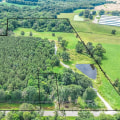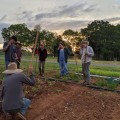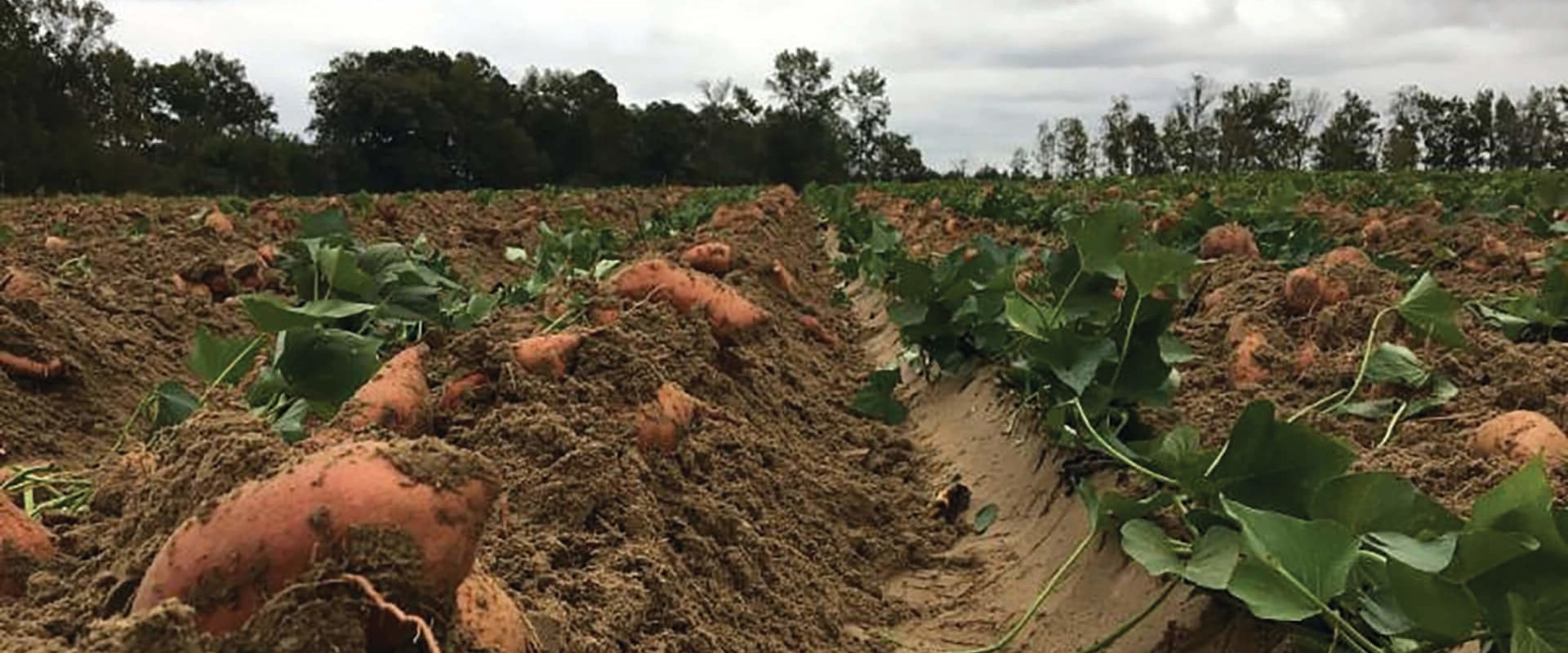
Waxhaw, North Carolina, is a region steeped in agricultural tradition, where farmers in Waxhaw North Carolina have cultivated the land for generations. The rich, fertile soil and favorable climate conditions make it an ideal location for a variety of crops. However, as the demands of modern agriculture evolve, local farmers are increasingly recognizing the critical importance of sustainable practices, particularly crop rotation and maintaining soil health.Crop rotation is a time-honored technique that involves alternating the types of crops grown on a particular piece of land over different seasons. This practice not only helps to prevent soil depletion but also reduces the risk of pests and diseases that can thrive when the same crop is planted repeatedly.
In Waxhaw, farmers are adopting innovative rotation strategies that incorporate legumes and cover crops to enhance soil fertility and structure. Moreover, the emphasis on soil health has become paramount among the farming community in Waxhaw. Healthy soil is essential for robust crop yields and environmental sustainability. Farmers are increasingly utilizing organic amendments, such as compost and manure, alongside reduced tillage practices to improve soil organic matter and microbial activity. By prioritizing these methods, they are not only ensuring the longevity of their farms but also contributing to the overall health of the ecosystem. This introduction sets the stage for a deeper exploration into how these practices are implemented by local farmers and their impact on both agricultural productivity and environmental stewardship in Waxhaw.
Understanding Crop Rotation
Crop rotation is a sustainable agricultural practice that involves alternating the types of crops grown on a particular piece of land over time.This method is crucial for maintaining soil health and enhancing farm productivity, especially for farmers in Waxhaw, North Carolina, who face unique environmental challenges.The significance of crop rotation lies in its ability to break pest and disease cycles, improve soil structure, and enhance nutrient availability. By rotating crops, farmers can reduce the reliance on chemical fertilizers and pesticides, leading to a more sustainable farming system.
Benefits of Crop Rotation
- Improved Soil Fertility: Different crops have varying nutrient requirements. For instance, legumes can fix nitrogen in the soil, enriching it for subsequent crops.
- Pest and Disease Management: Rotating crops disrupts the life cycles of pests and diseases that thrive on specific plants, reducing infestations.
- Weed Control: Changing crops can help manage weed populations by altering their growing conditions.
- Enhanced Biodiversity: Diverse cropping systems promote a healthier ecosystem, supporting beneficial insects and microorganisms.
Crop Rotation Methods
Farmers in Waxhaw employ various methods of crop rotation tailored to their specific needs:- Sequential Cropping: This involves planting different crops in succession within a single growing season.
- Cover Cropping: Farmers plant cover crops during off-seasons to protect and enrich the soil.
- Strip Cropping: Alternating strips of different crops can help manage erosion and improve soil health.
Soil Health: The Foundation of Successful Farming
Soil health is a critical component of sustainable agriculture, particularly for farmers in Waxhaw, North Carolina, who rely on the land to produce high-quality crops.Healthy soil not only supports plant growth but also enhances water retention, reduces erosion, and promotes biodiversity. Understanding the importance of soil health is essential for farmers aiming to maximize their yields while minimizing environmental impact.To improve soil health, farmers in Waxhaw adopt several effective practices:
- Cover Cropping: Planting cover crops during the off-season helps prevent soil erosion, suppress weeds, and enhance soil structure. These crops, such as clover or rye, contribute organic matter when tilled back into the soil.
- Crop Rotation: Rotating different crops each season prevents nutrient depletion and disrupts pest and disease cycles. This practice allows the soil to recover and maintain its fertility.
- Reduced Tillage: Minimizing tillage preserves soil structure and microbial life.
By reducing disturbance, farmers can maintain a healthy ecosystem within the soil.
- Organic Amendments: Incorporating compost or manure enriches the soil with nutrients and improves its overall health. These organic materials enhance microbial activity and promote a balanced nutrient profile.
Integrating Crop Rotation with Soil Health Practices
Farmers in Waxhaw, North Carolina, have long recognized the critical relationship between crop rotation and soil health.By implementing integrated farming practices, they not only enhance the productivity of their fields but also contribute to sustainable agriculture.One effective strategy employed by local farmers is the rotation of nitrogen-fixing crops, such as legumes, with nutrient-demanding crops like corn and soybeans. This practice not only replenishes soil nutrients but also improves soil structure and reduces erosion. For instance, a farmer in Waxhaw reported a significant increase in yield after incorporating clover into their rotation cycle, which helped to naturally enrich the soil.Moreover, many farmers are adopting cover cropping as a complementary practice to crop rotation. Cover crops, such as rye or vetch, are planted during off-seasons to protect the soil from erosion and suppress weeds.
This method has been shown to enhance soil organic matter and improve moisture retention. A local case study highlighted a farmer who successfully reduced their reliance on chemical fertilizers by using cover crops in conjunction with traditional crop rotation.Additionally, farmers in Waxhaw are increasingly utilizing precision agriculture techniques to monitor soil health. By analyzing soil composition and moisture levels, they can tailor their crop rotation schedules more effectively. This data-driven approach allows for better decision-making regarding which crops to plant and when, ultimately leading to healthier soils and more robust harvests.In conclusion, the integration of crop rotation with soil health practices among farmers in Waxhaw exemplifies a commitment to sustainable agriculture.
Through innovative techniques and a focus on ecological balance, these farmers are paving the way for a more resilient agricultural future.
Challenges Faced by Farmers in Waxhaw
Farmers in Waxhaw, North Carolina, face a myriad of challenges that complicate their efforts in crop rotation and maintaining soil health. These challenges stem from both environmental factors and economic pressures that can significantly impact agricultural practices. One of the primary obstacles is climate change. Farmers are increasingly experiencing unpredictable weather patterns, including extreme temperatures and irregular rainfall. These fluctuations can disrupt the timing of planting and harvesting, making it difficult to implement effective crop rotation strategies.For instance, a late frost can damage early-planted crops, forcing farmers to reconsider their rotation plans. Additionally, pest management poses a significant challenge. As climate conditions change, pest populations may also shift, leading to increased infestations that threaten crop yields. Farmers in Waxhaw must adapt their crop rotation schedules to mitigate these risks, often requiring them to invest in new pest control methods or resistant crop varieties. Economic pressures further complicate the situation. Many farmers are operating on tight margins and may prioritize short-term profits over long-term soil health.
This can lead to practices that degrade soil quality, such as over-reliance on chemical fertilizers and monoculture cropping systems. The result is a cycle of soil degradation, which diminishes the land's productivity over time. To combat these challenges, farmers in Waxhaw are increasingly turning to sustainable practices. However, the transition requires education and resources that may not always be readily available. Collaborative efforts among local agricultural organizations can provide essential support in overcoming these obstacles.
- Key Challenges:
- Climate change impacts on weather patterns
- Pest management issues due to shifting climates
- Economic pressures leading to unsustainable practices
- Soil degradation from chemical overuse
Future Trends in Farming Practices in Waxhaw
As the agricultural landscape continues to evolve, farmers in Waxhaw, North Carolina are increasingly looking towards innovative practices that enhance crop rotation and improve soil health.The future of farming in this region is likely to be shaped by several key trends and technologies.
Adoption of Precision Agriculture
One of the most significant trends is the adoption of precision agriculture. This approach utilizes technology such as GPS, drones, and soil sensors to monitor crop health and soil conditions in real-time. By analyzing data collected from these tools, farmers can make informed decisions about when to rotate crops and how to manage soil nutrients effectively.Incorporation of Cover Crops
The use of cover crops is another sustainable practice gaining traction among local farmers. These crops are planted during off-seasons to prevent soil erosion, improve soil structure, and enhance nutrient cycling.As awareness of their benefits grows, more farmers in Waxhaw are likely to integrate cover crops into their rotation schedules.
Emphasis on Organic Practices
With a rising consumer demand for organic produce, many farmers are shifting towards sustainable agriculture practices. This includes reducing chemical inputs and focusing on organic fertilizers that promote long-term soil health. The transition to organic farming not only benefits the environment but also opens up new market opportunities for local farmers.Collaboration and Knowledge Sharing
The future of farming in Waxhaw will also see increased collaboration among farmers. By sharing knowledge and resources, they can experiment with new techniques and learn from each other's successes and challenges.Local agricultural organizations may play a crucial role in facilitating workshops and training sessions focused on innovative farming techniques.In conclusion, as farmers in Waxhaw, North Carolina embrace these emerging trends, they will not only enhance their crop rotation strategies but also contribute to a more sustainable agricultural future. The integration of technology, sustainable practices, and community collaboration will be essential in shaping the next generation of farming in this vibrant region.
FAQs about Farmers in Waxhaw and Their Practices
Farmers in Waxhaw, North Carolina, often face numerous questions regarding their farming practices, particularly concerning crop rotation and soil health. Here are some frequently asked questions that shed light on these important topics.What is crop rotation and why is it important?
Crop rotation is the practice of growing different types of crops in the same area across a sequence of seasons. This method is crucial for maintaining soil fertility, reducing soil erosion, and preventing pest and disease cycles.Farmers in Waxhaw utilize this technique to enhance the overall health of their fields.
How do farmers in Waxhaw choose which crops to rotate?
The selection of crops for rotation depends on several factors, including soil type, climate conditions, and market demand. Farmers often rotate between legumes, which enrich the soil with nitrogen, and other crops like corn or soybeans that may deplete nutrients. This strategic planning helps maintain a balanced ecosystem.What are common concerns about soil health?
- Nutrient depletion: Continuous planting of the same crop can lead to nutrient depletion in the soil.
- Pest management: Certain pests thrive on specific crops; rotating crops can disrupt their life cycles.
- Erosion: Farmers are concerned about soil erosion caused by heavy rains or poor land management practices.
How do farmers in Waxhaw maintain soil health?
To maintain soil health, farmers in Waxhaw implement various practices:- Cover cropping: Planting cover crops during off-seasons helps prevent erosion and adds organic matter to the soil.
- No-till farming: This method reduces soil disturbance, preserving its structure and microbial life.
- Regular soil testing: Farmers conduct tests to monitor nutrient levels and pH balance, allowing for informed amendments.
Conclusion: The Importance of Sustainable Practices for Farmers in Waxhaw
In conclusion, the practices adopted by farmers in Waxhaw, North Carolina highlight the critical role of sustainable agriculture in ensuring long-term productivity and environmental health. Throughout this article, we have explored how these farmers implement crop rotation and prioritize soil health to enhance their farming operations.Crop rotation
serves as a cornerstone of sustainable farming, allowing farmers to manage soil nutrients effectively and reduce pest populations.By alternating different crops, farmers can break cycles of disease and improve soil structure, which is essential for maintaining high yields. This practice not only benefits the immediate farm but also contributes to the broader ecosystem by promoting biodiversity.Moreover, maintaining soil health is paramount for the sustainability of agriculture in Waxhaw. Farmers are increasingly adopting practices such as cover cropping and reduced tillage to enhance soil organic matter and prevent erosion. These methods not only improve soil fertility but also help in water retention, making farms more resilient to drought conditions.The commitment of farmers in Waxhaw to sustainable practices is not just about immediate gains; it reflects a forward-thinking approach that considers future generations.
By prioritizing crop rotation and soil health, they are setting a precedent for responsible farming that can serve as a model for other regions.Ultimately, the integration of these sustainable practices is vital for the longevity of agriculture in Waxhaw. As challenges such as climate change and population growth continue to impact farming, the lessons learned from these local farmers will be invaluable in shaping a resilient agricultural landscape.