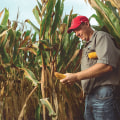
Farming in Waxhaw, North Carolina, is a vibrant and essential part of the local economy, reflecting a rich agricultural heritage that has shaped the community for generations. As a small town located just south of Charlotte, Waxhaw offers a unique blend of rural charm and suburban convenience, making it an attractive location for both seasoned farmers in Waxhaw, North Carolina, and newcomers looking to embrace the farming lifestyle. With a history of agricultural practices spanning 10 to 15 years, the area is characterized by its rolling hills, fertile soil, and a climate conducive to a variety of crops and livestock.The , and newcomers looking to embrace the farming lifestyle. With a history of agricultural practices spanning 10 to 15 years, the area is characterized by its rolling hills, fertile soil, and a climate conducive to a variety of crops and livestock.The average farm size in Waxhaw varies significantly depending on the type of farming practiced and the specific goals of the farmers. While some farms are small family-run operations focusing on niche markets or organic produce, others may encompass larger tracts of land dedicated to more extensive agricultural practices.
This diversity not only contributes to the local economy but also fosters a strong sense of community among farmers who often collaborate and share resources.Understanding the dynamics of the farming community in Waxhaw is crucial for anyone interested in agriculture or considering entering this field. The interplay between farm size, crop selection, and market demand shapes the landscape of farming here. As we delve deeper into this topic, we will explore how these factors influence the livelihoods of local farmers and what they mean for the future of agriculture in Waxhaw.
Overview of Agriculture in Waxhaw
Agriculture has played a significant role in shaping the community of Waxhaw, North Carolina. Historically, this region was known for its rich soil and favorable climate, which made it an ideal location for farming.The early settlers recognized the potential of the land, leading to a thriving agricultural economy that has evolved over the years.Today, farming in Waxhaw continues to be a vital part of the local economy, with a diverse range of crops and livestock being produced. According to recent farming statistics in Waxhaw, the average size of a farm in this area is approximately 50 to 100 acres. This size allows farmers to cultivate various crops such as corn, soybeans, and cotton, while also raising livestock like cattle and poultry.The agricultural landscape in Waxhaw is characterized by a mix of traditional farming practices and modern techniques. Many farmers are adopting sustainable practices to enhance productivity while minimizing environmental impact.
This shift not only supports local ecosystems but also meets the growing demand for organic produce among consumers.
- Diverse Crop Production: Farmers in Waxhaw grow a variety of crops, including fruits, vegetables, and grains.
- Livestock Farming: Cattle and poultry farming are prevalent, contributing significantly to the local economy.
- Sustainable Practices: Many farmers are implementing eco-friendly methods to ensure long-term viability.
Average Farm Size in Waxhaw: Key Statistics
Understanding the average farm size in Waxhaw, North Carolina provides valuable insights into the agricultural landscape of this region. According to recent data, the average size of a farm in Waxhaw is approximately 50 acres.This figure is significant when compared to the broader context of North Carolina, where the average farm size is around 200 acres.Several factors contribute to this discrepancy:
- Land Use: Many farms in Waxhaw are smaller and often focus on niche markets such as organic produce, livestock, and specialty crops.
- Urban Proximity: Waxhaw's location near urban centers like Charlotte influences land prices and farming practices, leading to smaller, more intensive farming operations.
- Community Supported Agriculture (CSA): A growing trend among local farmers is to engage directly with consumers through CSAs, which often require less land but more community involvement.
Factors Influencing Farm Size in Waxhaw
The size of farms in Waxhaw, North Carolina, is influenced by a variety of factors that reflect both the local environment and broader economic conditions. Understanding these factors can provide insight into the agricultural landscape of the region.- Land Availability: The availability of land is a primary factor affecting farm size.
In Waxhaw, the land use patterns are shaped by urban development and zoning regulations. As the area experiences growth, some agricultural lands are converted for residential or commercial use, which can limit the expansion of existing farms.
- Economic Conditions: Economic factors play a crucial role in determining farm size. Farmers in Waxhaw must navigate fluctuating market prices for crops and livestock, which can impact their ability to invest in larger operations. Additionally, access to financial resources, such as loans and grants, can influence decisions regarding land acquisition and farm expansion.
- Agricultural Practices: The type of farming practices adopted also affects farm size.
For instance, farmers who focus on niche markets or organic farming may operate smaller farms that emphasize quality over quantity. Conversely, those engaged in conventional farming may require larger tracts of land to achieve economies of scale.
- Technological Advancements: The adoption of technology in agriculture can also influence farm size. Innovations such as precision farming tools allow farmers to maximize productivity on smaller plots of land, potentially reducing the need for larger farms.
Types of Farms Found in Waxhaw
Waxhaw, North Carolina, is home to a diverse range of agricultural practices, each contributing to the local economy and community.The types of farms found in this region can be broadly categorized into crop farming and livestock farming, with each type varying significantly in size and operational focus.
Crop Farming in Waxhaw
Crop farming is a prominent agricultural practice in Waxhaw, with many farmers cultivating a variety of crops. Commonly grown crops include corn, soybeans, and various fruits and vegetables. The average size of crop farms in this area can range from 10 to 100 acres, depending on the specific crop and the farming techniques employed. Larger farms may utilize advanced technology and sustainable practices to maximize yield while minimizing environmental impact.Livestock Farming in Waxhaw
In addition to crop farming, livestock farming plays a crucial role in Waxhaw's agricultural landscape.Farmers raise a variety of animals, including cattle, pigs, and poultry. The size of livestock farms can vary widely; smaller operations may consist of just a few acres, while larger farms can span over 200 acres. These farms often focus on rotational grazing and organic practices to ensure the health of both the animals and the land.
Diversity in Farm Sizes
The diversity in farm sizes reflects the adaptability of farmers in Waxhaw to meet market demands and environmental conditions. Many farmers are also engaging in agritourism, which allows them to supplement their income by inviting visitors to experience farm life firsthand.This trend has led to an increase in smaller, family-run farms that offer unique experiences while maintaining traditional farming practices.Overall, the types of farms found in Waxhaw not only highlight the region's agricultural richness but also demonstrate the varying sizes and methods employed by local farmers. Understanding these differences is essential for anyone interested in the agricultural landscape of Waxhaw, North Carolina.
Challenges Faced by Farmers in Waxhaw
Farmers in Waxhaw, North Carolina, face a myriad of challenges that can significantly impact their operations and decisions regarding farm size. Understanding these challenges is crucial for both current and prospective farmers in the region.- Climate Variability: The unpredictable weather patterns, including droughts and heavy rainfall, can affect crop yields and livestock health. Farmers must adapt their practices to mitigate these risks, which can be costly and time-consuming.
- Market Fluctuations: Prices for agricultural products can vary widely due to market demand, competition, and global trade policies.
This volatility makes it difficult for farmers to plan their budgets and investments effectively.
- Land Development Pressure: As Waxhaw continues to grow as a suburban area, farmers face increasing pressure from developers seeking to convert agricultural land into residential or commercial properties. This can lead to a reduction in available farmland and increased competition for land use.
- Access to Resources: Many farmers struggle with access to essential resources such as water, quality seeds, and fertilizers. Limited access can hinder productivity and growth potential.
- Labor Shortages: Finding skilled labor is a persistent issue in the agricultural sector. Farmers often rely on seasonal workers, but immigration policies and labor market conditions can complicate this process.
Local organizations and government programs can provide assistance through grants, training, and resources aimed at helping farmers navigate these issues. However, awareness of these support options remains low among some farmers, which can exacerbate their struggles.Ultimately, the combination of environmental factors, economic pressures, and social dynamics creates a complex landscape for farmers in Waxhaw. Addressing these challenges is essential not only for the sustainability of individual farms but also for the overall agricultural community in North Carolina.
Future Trends in Farming and Farm Sizes in Waxhaw
As the agricultural landscape in Waxhaw, North Carolina, continues to evolve, several future trends are likely to influence both the size of farms and the practices employed by local farmers in Waxhaw, North Carolina. Understanding these trends is crucial for stakeholders in the agricultural sector.Technological Advancements
- Precision agriculture is becoming increasingly popular, allowing farmers to optimize their operations through data analytics and technology.
This can lead to more efficient use of land and resources, potentially resulting in smaller, more productive farms.
- The rise of automation in farming practices may also influence farm sizes. As machinery becomes more advanced, smaller farms may find it easier to compete with larger operations.
Sustainability Practices
- With a growing emphasis on sustainability, many farmers are adopting practices that focus on environmental stewardship. This shift may encourage smaller farms that prioritize organic and sustainable methods over traditional large-scale farming.
- The trend towards local food systems is also gaining traction. Farmers may choose to downsize their operations to focus on niche markets, such as organic produce or specialty crops.
Market Demand and Consumer Preferences
- As consumer preferences shift towards locally sourced and organic products, farmers in Waxhaw may adapt by reducing their farm sizes to cater to these specific demands.
- The increasing popularity of community-supported agriculture (CSA) programs could lead to a rise in smaller farms that provide direct-to-consumer sales.
As local farmers adapt to technological advancements, sustainability practices, and changing market demands, we may see a trend towards smaller, more specialized farms that prioritize quality over quantity. This evolution not only reflects broader trends in agriculture across North Carolina but also highlights the resilience and adaptability of the farming community in Waxhaw.
FAQs About Farming in Waxhaw, North Carolina
Farming in Waxhaw, North Carolina, is a vibrant part of the local economy and culture. Here are some frequently asked questions that can help you understand more about the farming landscape in this area.What is the average size of a farm in Waxhaw?
The average size of a farm in Waxhaw typically ranges from 10 to 50 acres. However, this can vary significantly based on the type of farming operation and the specific location within the region.Many farmers in Waxhaw focus on diverse agricultural practices, including crop production, livestock, and specialty farming.
What types of crops are commonly grown?
- Corn
- Soybeans
- Vegetables, such as tomatoes and peppers
- Fruits, including strawberries and blueberries
Are there any community-supported agriculture (CSA) programs?
Yes, many farmers in Waxhaw participate in community-supported agriculture (CSA) programs. These initiatives allow consumers to buy shares of a farm's harvest, providing farmers with upfront capital while giving residents access to fresh, locally grown produce.What challenges do farmers face in Waxhaw?
Farmers in Waxhaw encounter several challenges, including:- Weather fluctuations, which can impact crop yields.
- Pest management, requiring effective strategies to protect crops.
- Market access, as competition from larger agricultural operations can be tough.
Conclusion: The Landscape of Farming in Waxhaw Today
In conclusion, understanding the average size of farms in Waxhaw, North Carolina is crucial for both current and aspiring farmers in Waxhaw, North Carolina. The data indicates that while many farms are relatively small, often ranging from 10 to 50 acres, there are also larger operations that contribute significantly to the local agricultural landscape. This diversity in farm size reflects the varied agricultural practices and economic strategies employed by local farmers.The significance of these average sizes extends beyond mere statistics; they influence local economies, community dynamics, and even environmental practices.Smaller farms often focus on niche markets, such as organic produce or specialty crops, which can lead to sustainable farming practices and a stronger connection with the community. Conversely, larger farms may engage in more extensive crop production, impacting land use and resource management.Moreover, understanding these dynamics helps local policymakers and agricultural organizations tailor support programs that meet the specific needs of farmers. For instance:
- Resource Allocation: Knowing the average farm size can guide funding and resource distribution.
- Training Programs: Tailored educational initiatives can be developed to address the unique challenges faced by different farm sizes.
- Market Access: Insights into farm sizes can help in creating better market access strategies for local produce.
Ultimately, this understanding not only benefits farmers but also enriches the entire community by promoting sustainable practices and local food systems.