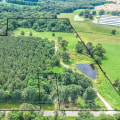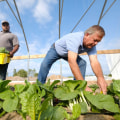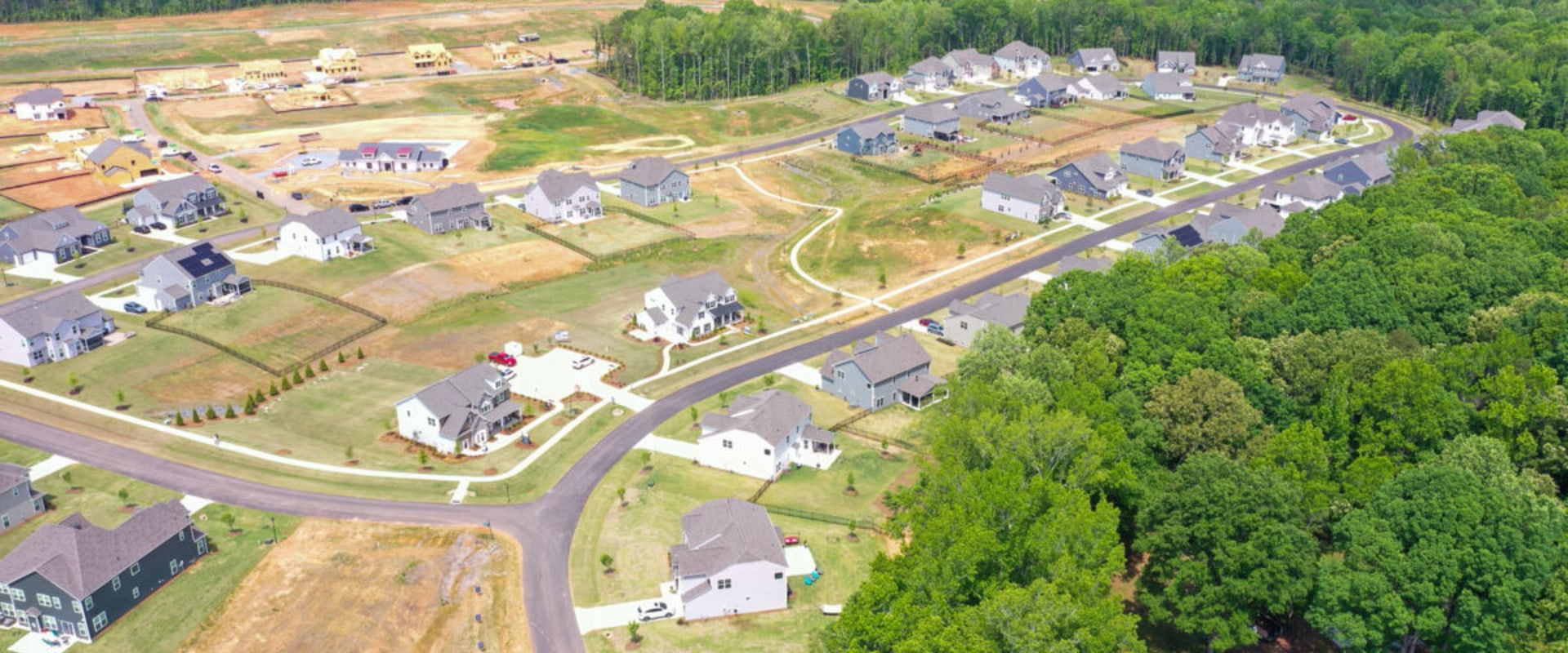
Waxhaw, North Carolina, is a charming town that beautifully blends its rich history with a vibrant agricultural community. Nestled in Union County, this area is not only known for its picturesque landscapes but also for its commitment to farming and local produce. The farmers in Waxhaw, North Carolina, play a crucial role in sustaining the local economy and preserving the town's rural character, which is intertwined with its historical sites. As we delve into the agricultural landscape of Waxhaw, it becomes evident that farming is more than just a profession; it is a way of life that connects residents to their heritage and the land. The , play a crucial role in sustaining the local economy and preserving the town's rural character, which is intertwined with its historical sites. As we delve into the agricultural landscape of Waxhaw, it becomes evident that farming is more than just a profession; it is a way of life that connects residents to their heritage and the land. The farming community in Waxhaw is diverse, encompassing various types of agriculture, from traditional crop farming to innovative organic practices.
This diversity not only enriches the local culture but also provides residents with access to fresh, locally-sourced food. The commitment of these farmers to sustainable practices and community engagement fosters a strong bond among residents, making Waxhaw a unique place where agriculture thrives alongside suburban development. As we explore the number of farmers in this region, it is essential to understand the broader context of agriculture in Waxhaw. The town's agricultural roots run deep, and the ongoing support for local farms reflects a growing awareness of the importance of sustainable food systems. In the following sections, we will uncover specific statistics and insights about the farmers who contribute to this vibrant community, highlighting their impact on both the local economy and the environment.
Overview of Agriculture in Waxhaw
Agriculture in Waxhaw, North Carolina, plays a significant role in the local economy and community lifestyle.The region is characterized by its rich soil and favorable climate, which support a variety of farming practices and crops. Farmers in Waxhaw engage in both traditional and modern agricultural methods, contributing to a diverse agricultural landscape.One of the primary farming practices in Waxhaw includes crop farming, where local farmers cultivate a range of fruits and vegetables. Commonly grown crops include:
- Tomatoes
- Peppers
- Squash
- Sweet corn
- Strawberries
Many are adopting organic farming techniques, which focus on reducing chemical inputs and enhancing soil health. This shift not only benefits the environment but also meets the growing consumer demand for organic produce.Moreover, local farmers often participate in community-supported agriculture (CSA) programs, allowing residents to buy fresh produce directly from them. This fosters a strong connection between farmers and the community while promoting local food systems.Overall, the agricultural landscape in Waxhaw is vibrant and diverse, reflecting the dedication of its farmers to sustainable practices and high-quality produce. Understanding these aspects provides valuable context when considering the number of farmers operating in this charming North Carolina town.
Current Statistics on Farmers in Waxhaw
As of the latest agricultural census, there are approximately 150 farmers in Waxhaw, North Carolina.This number reflects a diverse range of farming practices and operations, contributing significantly to the local economy and community. The farming landscape in Waxhaw is characterized by a mix of traditional and modern agricultural methods, with many farmers engaging in both crop production and livestock management.In terms of demographics, the majority of farmers in Waxhaw are family-owned operations, with many being passed down through generations. The average age of farmers in this region is around 55 years, indicating a potential challenge for the future as younger generations may seek opportunities outside of agriculture. However, there is a growing interest among younger individuals in sustainable farming practices and organic produce, which could lead to a revitalization of the farming community.Some key statistics regarding farming demographics in Waxhaw include:
- Crop Types: The primary crops grown include corn, soybeans, and various fruits and vegetables.
- Livestock: Many farmers also raise cattle, poultry, and goats, contributing to the area's agricultural diversity.
- Farm Size: The average farm size in Waxhaw is about 50 acres, with some larger operations exceeding 100 acres.
As the town continues to grow, farmers face challenges related to land use and competition for resources. However, there is also an increasing demand for locally sourced products, which presents opportunities for farmers to expand their markets through farmers' markets and community-supported agriculture (CSA) programs.Overall, the statistics on farmers in Waxhaw, North Carolina, highlight a vibrant agricultural community that is adapting to modern challenges while maintaining its rich farming heritage.
Factors Influencing Farming Numbers in Waxhaw
The number of farmers in Waxhaw, North Carolina is influenced by a variety of factors that shape the agricultural landscape of the region. Understanding these factors is crucial for grasping the dynamics of farming in this area.Economic Conditions
The economic climate plays a significant role in determining how many individuals choose to pursue farming as a livelihood. In Waxhaw, fluctuations in market prices for crops and livestock can directly impact farmers' profitability.When prices are high, more people may be encouraged to enter the farming sector, while low prices can lead to a decline in the number of active farmers. Additionally, access to financial resources such as loans and grants can either support or hinder new farmers from starting their operations.
Land Use Policies
Land use regulations and zoning laws in Waxhaw also significantly affect the number of farmers. Policies that promote agricultural land preservation can help maintain a robust farming community. Conversely, if land is increasingly designated for residential or commercial development, it may reduce the available space for farming, leading to a decrease in the number of farmers.Local government initiatives aimed at supporting sustainable agriculture can also encourage more individuals to engage in farming.
Community Support for Agriculture
The level of community support for agriculture is another critical factor influencing the number of farmers in Waxhaw. Community programs that promote local produce, farmers' markets, and agricultural education can foster a culture that values farming. When residents actively support local farmers by purchasing their products and participating in agricultural events, it creates a more favorable environment for farming to thrive.In summary, the interplay between economic conditions, land use policies, and community support significantly shapes the landscape of farming in Waxhaw. By understanding these factors, stakeholders can work towards creating an environment that encourages sustainable agricultural practices and supports local farmers.Challenges Faced by Farmers in Waxhaw
Farmers in Waxhaw, North Carolina, face a variety of challenges that can significantly impact their operations and sustainability.Understanding these challenges is crucial for both current and prospective farmers in the area.
Environmental Issues
One of the primary challenges is the environmental factors that affect crop yields and livestock health. Waxhaw's climate can be unpredictable, with periods of drought followed by heavy rainfall. These fluctuations can lead to soil erosion, nutrient depletion, and increased pest populations, making it difficult for farmers to maintain consistent production levels.Market Access
Another significant hurdle is market access. Many farmers in Waxhaw struggle to find reliable markets for their products.Local farmers' markets may not always provide sufficient sales opportunities, and competition from larger agricultural producers can make it challenging for small-scale farmers to thrive. Additionally, transportation costs can limit their ability to reach broader markets.
Financial Constraints
Financial difficulties also plague many farmers in the region. The initial investment required for equipment, seeds, and maintenance can be substantial. Moreover, fluctuating prices for agricultural products can lead to uncertain income streams, making it hard for farmers to plan for the future.Support Resources
Fortunately, there are resources available to help mitigate these challenges.Organizations such as the N.C. Cooperative Extension offer educational programs and support services tailored to local farmers. Additionally, community groups often provide networking opportunities that can lead to collaborative solutions and shared resources.In conclusion, while farmers in Waxhaw face numerous challenges ranging from environmental issues to market access and financial constraints, support resources are available to help them navigate these difficulties and promote sustainable farming practices.
Community Support for Farmers in Waxhaw
In Waxhaw, North Carolina, the community support for farmers plays a crucial role in sustaining local agriculture and promoting sustainable practices. Various initiatives and programs have been established to assist farmers in their endeavors, ensuring that they thrive in a competitive market.One of the key components of community support is the presence of local farmer's markets.These markets not only provide a platform for farmers to sell their produce directly to consumers but also foster a sense of community. Residents of Waxhaw can connect with local farmers, learn about their practices, and appreciate the value of fresh, locally sourced food.
- Waxhaw Farmer's Market: This weekly event showcases a variety of local produce, handmade goods, and artisanal products. It serves as a vital outlet for farmers to reach customers and build relationships within the community.
- Community Supported Agriculture (CSA): Many farmers in Waxhaw participate in CSA programs, where residents can subscribe to receive regular deliveries of fresh produce. This model not only supports farmers financially but also encourages residents to eat seasonally and support local agriculture.
These programs often focus on education and resources that promote sustainable farming practices. For instance:
- Workshops and Training: Local organizations frequently host workshops on topics such as organic farming, pest management, and soil health. These educational opportunities empower farmers with knowledge that can enhance their productivity and sustainability.
- Grants and Financial Assistance: Various grants are available for farmers looking to expand their operations or implement sustainable practices. These financial resources can significantly impact the viability of small farms in the area.
By supporting local initiatives and participating in programs designed for farmers, residents contribute to a vibrant agricultural landscape that benefits everyone.
Future of Farming in Waxhaw: Trends and Predictions
The future of farming in Waxhaw, North Carolina is poised for significant transformation as various trends and innovations shape the agricultural landscape. As the demand for locally sourced produce continues to rise, farmers in Waxhaw are likely to adapt their practices to meet consumer preferences and environmental challenges.One of the most notable trends is the increasing adoption of sustainable farming practices. Farmers are becoming more aware of their environmental impact and are implementing methods such as crop rotation, organic farming, and integrated pest management. These practices not only enhance soil health but also appeal to a growing market of eco-conscious consumers.Additionally, advancements in technology are set to revolutionize farming in Waxhaw.The use of precision agriculture tools, such as drones and soil sensors, allows farmers to monitor crop health and optimize resource use more effectively. This technological shift could lead to increased productivity and potentially attract new farmers to the area.
- Urban Agriculture: As Waxhaw continues to grow, urban farming initiatives may emerge, allowing residents to engage in agriculture within city limits. This could diversify the types of farmers in the region.
- Community Supported Agriculture (CSA): The rise of CSA programs encourages local residents to support local farmers directly, fostering a stronger community connection and potentially increasing the number of small-scale farmers.
- Climate Resilience: With climate change posing challenges, farmers will need to adapt their practices to ensure resilience against extreme weather events. This may lead to a shift in crop selection and farming techniques.
As these trends unfold, the number of farmers may fluctuate, reflecting both challenges and opportunities within the agricultural sector.
FAQs About Farmers in Waxhaw, North Carolina
When it comes to understanding the landscape of farmers in Waxhaw, North Carolina, several common questions arise. Here are some frequently asked questions that can provide clarity on this topic.1.How many farmers are currently operating in Waxhaw?
The exact number of farmers in Waxhaw can fluctuate due to various factors such as market conditions and land availability. However, local agricultural reports and community surveys indicate that there are approximately 50 to 100 active farms in the area, ranging from small family-owned operations to larger commercial farms.2.What types of crops are commonly grown by farmers in Waxhaw?
Farmers in Waxhaw primarily focus on a variety of crops, including:- Corn
- Soybeans
- Vegetables, such as tomatoes and peppers
- Fruits, including strawberries and blueberries
3.Are there any local farmers' markets in Waxhaw?
Yes, Waxhaw hosts several local farmers' markets where residents can purchase fresh produce directly from the farmers. These markets not only support local agriculture but also foster community engagement.The most popular market operates on weekends and features a variety of vendors offering seasonal fruits, vegetables, and homemade goods.
4.How can I support farmers in Waxhaw?
You can support local farmers by:- Shopping at local farmers' markets.
- Participating in community-supported agriculture (CSA) programs.
- Promoting local agricultural events and initiatives.
- Choosing locally sourced products when shopping at grocery stores.
Conclusion: The State of Farming in Waxhaw Today and Tomorrow
In conclusion, the landscape of farming in Waxhaw, North Carolina is both rich and evolving. As we have explored, the number of farmers in Waxhaw, North Carolina reflects a community deeply rooted in agricultural traditions while also adapting to modern challenges and opportunities.The current count of farmers in the area may not be as high as in some rural regions, but their impact is significant. These farmers contribute not only to the local economy but also to the preservation of the region's cultural heritage. The blend of traditional farming practices with innovative techniques showcases the resilience and adaptability of this community.- Community Engagement: Local farmers often engage with residents through farmers' markets and community-supported agriculture (CSA) programs, fostering a strong connection between producers and consumers.
- Diverse Agriculture: The variety of crops and livestock raised in Waxhaw highlights the area's agricultural diversity, from vegetables to specialty products that cater to niche markets.
- Future Prospects: As urban development continues to encroach on rural areas, the future of farming in Waxhaw will depend on sustainable practices and community support to ensure that agriculture remains viable.
This includes providing resources for farmers, encouraging local food consumption, and preserving farmland against urban sprawl. By doing so, Waxhaw can maintain its agricultural roots while embracing a future that balances growth with sustainability.Ultimately, the state of farming in Waxhaw today reflects a microcosm of broader trends affecting agriculture across the United States. As we move forward, it will be essential to recognize the value that these farmers bring to our communities and work collaboratively to ensure their continued success.