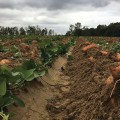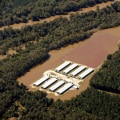
Waxhaw, North Carolina, is a vibrant community where the farming landscape plays a crucial role in shaping the local economy and culture. Nestled in Union County, this charming town is surrounded by fertile land that has supported agricultural endeavors for generations. The farming community in Waxhaw is not just about crops; it encompasses a rich tapestry of traditions, family-owned farms, and a commitment to sustainable practices that resonate with both residents and visitors alike. Additionally, local initiatives, including financial literacy programs, aim to empower farmers and residents to manage their resources effectively.The significance of in Waxhaw is not just about crops; it encompasses a rich tapestry of traditions, family-owned farms, and a commitment to sustainable practices that resonate with both residents and visitors alike. Additionally, local initiatives, including financial literacy programs, aim to empower farmers and residents to manage their resources effectively.The significance of agriculture in Waxhaw extends beyond mere production; it fosters a sense of community and connection among its residents.
Local farmers contribute to the economy by providing fresh produce, livestock, and other agricultural products that are essential for local markets and restaurants. This interdependence creates a thriving ecosystem where farmers, consumers, and local businesses work hand in hand to promote a healthy lifestyle and support the regional economy.As we delve deeper into the topic of farming in Waxhaw, it becomes essential to explore the various government programs and subsidies available to support these dedicated farmers. Understanding these resources can empower local agriculturalists to enhance their operations, adopt innovative practices, and ultimately contribute to the sustainability of the farming community in Waxhaw. With the right support, farmers can continue to thrive in this picturesque corner of North Carolina, ensuring that agriculture remains a cornerstone of the town's identity.
Overview of Government Programs for Farmers
Farmers in Waxhaw, North Carolina, have access to a variety of government programs and subsidies designed to support agricultural activities and enhance farm productivity.These programs are crucial for ensuring the sustainability of farming operations and can significantly alleviate financial burdens.At the federal level, the United States Department of Agriculture (USDA) offers numerous assistance programs. One of the most notable is the Farm Service Agency (FSA), which provides loans, grants, and insurance options to farmers. These resources are aimed at helping farmers manage risks associated with natural disasters, market fluctuations, and other challenges.Additionally, the USDA's Natural Resources Conservation Service (NRCS) offers programs that focus on conservation practices. Farmers can receive financial assistance for implementing sustainable practices that improve soil health, water quality, and overall farm resilience.
State-Level Support
In North Carolina, the North Carolina Department of Agriculture and Consumer Services (NCDA&CS) plays a vital role in supporting local farmers.The department administers various programs that provide funding for research, education, and marketing initiatives. For instance, the Agricultural Development and Farmland Preservation Trust Fund offers grants to help farmers preserve their land and promote sustainable agricultural practices.
Subsidies and Grants
Agricultural subsidies are another essential component of government support for farmers in Waxhaw. These subsidies can come in various forms, including direct payments for specific crops or livestock, as well as cost-sharing programs for implementing new technologies or practices. Farmers can also explore grant opportunities through local organizations that aim to boost agricultural innovation.Overall, understanding the array of government programs available is crucial for farmers in Waxhaw.By leveraging these resources, they can enhance their operations, ensure financial stability, and contribute to the local economy.
Specific Programs Available in North Carolina
Farmers in Waxhaw, North Carolina, have access to a variety of government programs and subsidies designed to support agricultural activities and enhance productivity. Understanding these options can significantly benefit local farmers looking to improve their operations.North Carolina Farmer Assistance Programs
The North Carolina Department of Agriculture and Consumer Services (NCDA&CS) offers several assistance programs tailored for farmers. These programs include:- Farmers Market Nutrition Program (FMNP): This program provides coupons to low-income families, allowing them to purchase fresh produce from local farmers, thereby increasing sales for farmers in the area.
- North Carolina Agricultural Cost Share Program: This initiative helps farmers implement best management practices by providing cost-sharing for practices that improve water quality.
- Community Supported Agriculture (CSA) Grants: These grants support local farmers in establishing CSAs, which can enhance their market reach and customer base.
State Subsidies for Farmers
In addition to assistance programs, there are various state subsidies available:- Soil and Water Conservation Program: This program offers financial assistance for conservation practices that protect soil and water resources, crucial for sustainable farming.
- Crop Insurance Subsidies: Farmers can receive subsidies on crop insurance premiums, helping them manage risks associated with unpredictable weather and market fluctuations.
NC Agriculture Grants
The state also provides numerous grants aimed at enhancing agricultural productivity:- Value-Added Producer Grants: These grants assist farmers in developing new products or improving marketing strategies, which can lead to increased profitability.
- Specialty Crop Block Grant Program: This program supports projects that enhance the competitiveness of specialty crops, benefiting farmers who grow fruits, vegetables, and other niche products.
Local Resources for Farmers in Waxhaw
Farmers in Waxhaw, North Carolina, have access to a variety of local resources designed to support their agricultural endeavors.These resources include agricultural extension services, community organizations, and various programs aimed at enhancing farming practices and sustainability.
Agricultural Extension Services
The North Carolina Cooperative Extension provides invaluable support to farmers in Waxhaw. This service offers educational programs, research-based information, and technical assistance tailored to local agricultural needs. Farmers can benefit from workshops on crop management, pest control, and sustainable farming practices. Additionally, the extension office often collaborates with local universities to conduct research that addresses specific challenges faced by farmers in the region.Community Support for Farmers
In addition to extension services, several community organizations play a crucial role in supporting farmers in Waxhaw.The Waxhaw Farmers Market not only provides a platform for local farmers to sell their produce but also fosters a sense of community among residents and agricultural producers. This market encourages the consumption of locally grown food and helps farmers connect directly with consumers.
- Local Agricultural Groups: Organizations such as the Union County Farm Bureau offer networking opportunities, advocacy, and resources for farmers.
- Workshops and Training: Various local nonprofits host workshops that cover topics like organic farming, marketing strategies, and financial management for farms.
- Grants and Funding: Farmers can explore grants available through state and federal programs aimed at supporting agricultural innovation and sustainability.
How to Apply for Government Subsidies and Programs
Applying for government subsidies and programs can seem daunting for farmers in Waxhaw, North Carolina, but understanding the process can make it more manageable. Here are the essential steps to guide you through the application process:- Research Available Programs: Start by identifying the specific programs and subsidies available to farmers in your area. The Farm Service Agency (FSA) and the Natural Resources Conservation Service (NRCS) are excellent resources for finding relevant programs.
- Gather Necessary Documentation: Most applications require documentation such as proof of income, farm ownership, and tax information.
Ensure you have all necessary documents ready to streamline the application process.
- Complete the Application: Carefully fill out the application forms. Pay close attention to detail, as inaccuracies can lead to delays or denials. If you're unsure about any section, consider reaching out to local agricultural extension offices for assistance.
- Submit Your Application: Follow the submission guidelines provided with the application. Some programs may allow online submissions, while others may require mailed forms.
Ensure you meet all deadlines to avoid missing out on funding opportunities.
- Follow Up: After submitting your application, it’s important to follow up with the relevant agency. This can help you stay informed about your application status and address any potential issues promptly.
- Consider attending local workshops or informational sessions hosted by agricultural organizations to learn more about available programs.
- Network with other farmers in Waxhaw who have successfully navigated the application process; they can provide valuable insights and tips.
- Stay organized by keeping a checklist of required documents and deadlines to ensure you don’t miss any critical steps.
Success Stories: Farmers Benefiting from Government Programs
In Waxhaw, North Carolina, numerous farmers have successfully leveraged government programs and subsidies to enhance their agricultural practices and improve their livelihoods. These success stories not only highlight the effectiveness of these initiatives but also serve as inspiration for other local farmers.Case Study: Green Acres Farm
One notable example is Green Acres Farm, a family-owned operation that specializes in organic vegetables. By participating in the USDA's Organic Certification Program, they received financial assistance that helped them transition from conventional to organic farming.
This shift not only increased their crop yield but also allowed them to tap into a growing market of health-conscious consumers. As a result, Green Acres saw a 30% increase in revenue within the first year of certification.
Case Study: Waxhaw Dairy Farm
Another inspiring story comes from Waxhaw Dairy Farm, which faced challenges due to fluctuating milk prices. By applying for the Dairy Margin Coverage Program, they secured a safety net that provided financial support during tough times. This program enabled them to invest in better equipment and improve their herd management practices, ultimately leading to higher milk production and better quality products.
Community Impact
The benefits of these government programs extend beyond individual farms.
As more farmers in Waxhaw take advantage of available resources, the entire community thrives. Local markets see an influx of fresh produce, and consumers gain access to high-quality goods. Additionally, these programs foster a sense of collaboration among farmers, encouraging knowledge sharing and innovation.In conclusion, the success stories of farmers in Waxhaw, North Carolina, demonstrate the tangible benefits of government programs and subsidies. By investing in their operations through these resources, local farmers are not only securing their futures but also contributing to the overall health and sustainability of the agricultural landscape in the region.
Frequently Asked Questions about Farming Subsidies in Waxhaw
Farmers in Waxhaw, North Carolina, often have questions regarding the availability and eligibility of government programs and subsidies designed to support their agricultural endeavors.Below are some frequently asked questions that can help clarify these important topics.
What types of subsidies are available for farmers in Waxhaw?
Farmers in Waxhaw can access a variety of subsidies, including:- Direct Payments: These are cash payments made to farmers based on their historical production levels.
- Crop Insurance Subsidies: The government provides financial assistance to help cover the costs of crop insurance, protecting farmers against losses due to natural disasters.
- Conservation Programs: Programs like the Conservation Reserve Program (CRP) offer payments to farmers who agree to remove environmentally sensitive land from agricultural production.
- Research and Development Grants: These grants support innovative farming practices and technologies that can enhance productivity and sustainability.
How can I determine my eligibility for these programs?
Eligibility for government subsidies typically depends on several factors, including:- Farm Size: Many programs have specific requirements regarding the size of the farm or the type of crops grown.
- Income Levels: Some subsidies are designed for low- to moderate-income farmers, so income verification may be necessary.
- Compliance with Regulations: Farmers must adhere to certain agricultural practices and environmental regulations to qualify for many programs.
Where can I find more information about these subsidies?
The best resources for farmers in Waxhaw seeking information about government programs include:- The United States Department of Agriculture (USDA) website, which provides comprehensive details on available programs and application processes.
- The N.C. Department of Agriculture and Consumer Services, which offers localized information and assistance.
- Your local extension office, where agricultural agents can provide guidance tailored to your specific needs.
Conclusion: The Importance of Government Support for Farmers in Waxhaw
In conclusion, the role of government support for farmers in Waxhaw, North Carolina cannot be overstated. Throughout this article, we have explored various programs and subsidies designed to assist local farmers in overcoming challenges such as fluctuating market prices, natural disasters, and the rising costs of production. These resources are vital for ensuring the sustainability and growth of the agricultural sector in our community.Government initiatives not only provide financial assistance but also offer educational resources and technical support that empower farmers to adopt innovative practices.By participating in programs like the Farm Service Agency (FSA) loans and grants, farmers can access crucial funding that helps them invest in their operations, whether it be through purchasing new equipment or implementing sustainable farming techniques.
- Access to Resources: Farmers should actively seek out information on available government programs, as many are underutilized.
- Community Engagement: Engaging with local agricultural organizations can provide additional insights into navigating these resources effectively.
- Advocacy: Supporting policies that favor agricultural development is essential for long-term benefits.