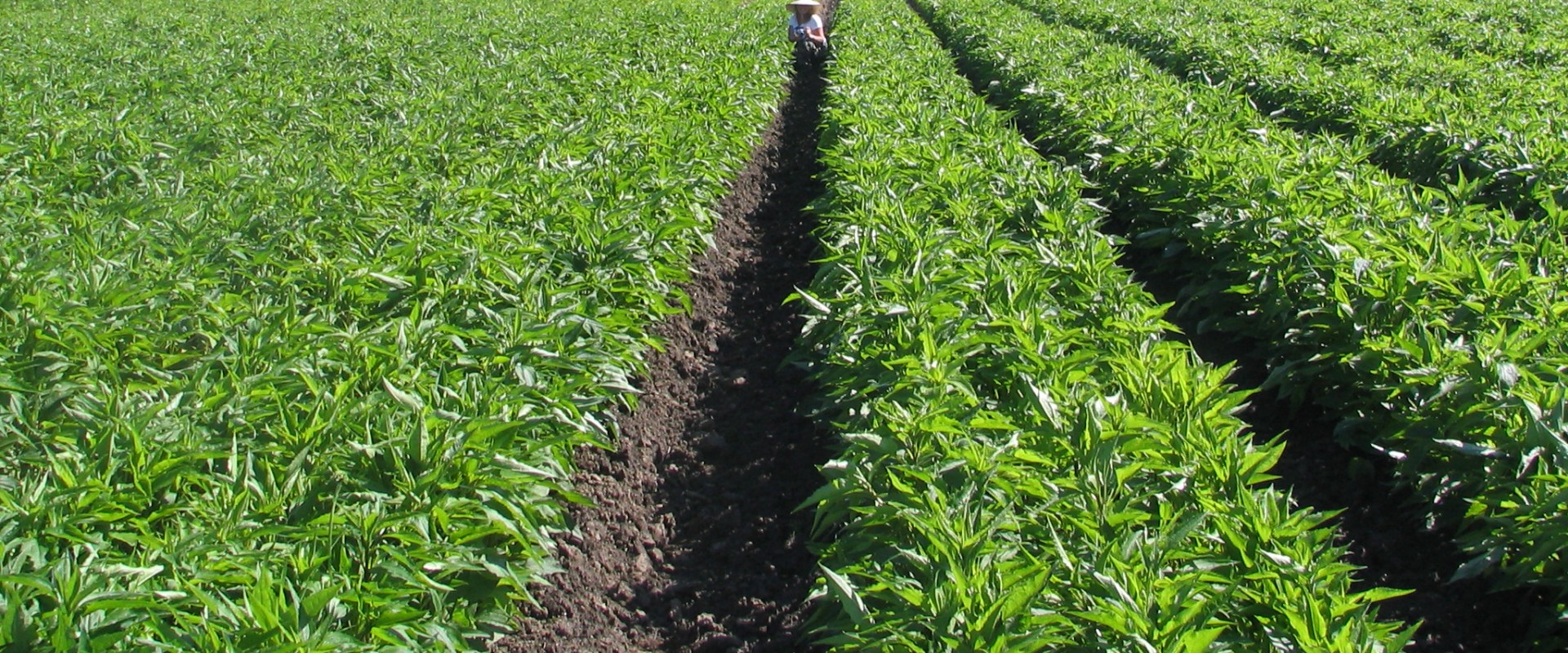
Waxhaw, North Carolina, is a charming town that boasts a rich agricultural heritage, making it a significant hub for farmers in Waxhaw, North Carolina. Nestled in the picturesque landscape of Union County, this area is not only known for its historical roots but also for its vibrant farming community. The fertile soil and favorable climate conditions create an ideal environment for a diverse range of crops, contributing to the local economy and the community's way of life, especially in the current economic climate.The agricultural scene in Waxhaw is characterized by a blend of traditional farming practices and modern techniques. Local . Nestled in the picturesque landscape of Union County, this area is not only known for its historical roots but also for its vibrant farming community. The fertile soil and favorable climate conditions create an ideal environment for a diverse range of crops, contributing to the local economy and the community's way of life, especially in the current economic climate.The agricultural scene in Waxhaw is characterized by a blend of traditional farming practices and modern techniques. Local farmers cultivate various crops that reflect both the region's agricultural history and the evolving demands of consumers.
From fresh produce to specialty crops, the farms in Waxhaw play a crucial role in supplying not just local markets but also broader regional demands. This section will delve into the specific types of crops grown by these dedicated farmers, highlighting their contributions to both the local culture and economy.As we explore the types of crops in Waxhaw, it becomes evident that agriculture here is more than just a profession; it is a way of life that connects residents to their land and heritage. The commitment of local farmers to sustainable practices and community engagement further enhances the significance of agriculture in this charming town. Join us as we uncover the diverse agricultural landscape that defines Waxhaw and learn about the crops that thrive in this unique environment.
Overview of Farming Practices in Waxhaw
Farmers in Waxhaw, North Carolina, employ a variety of farming practices that reflect both traditional methods and modern innovations.The region's rich soil and favorable climate conditions allow for a diverse range of crops to be cultivated, making it an ideal location for agricultural activities.One of the most common farming methods used by local farmers is crop rotation. This technique involves alternating the types of crops grown in a particular field from season to season. By rotating crops, farmers can improve soil health, reduce pest and disease pressure, and enhance overall yield. For instance, a farmer might plant corn one year and follow it with soybeans the next, benefiting from the nitrogen-fixing properties of legumes.In addition to crop rotation, many farmers in Waxhaw are adopting conservation tillage.
This method minimizes soil disturbance and helps maintain soil structure and moisture. By leaving crop residues on the field, farmers can also reduce erosion and improve organic matter content in the soil. This practice is particularly beneficial in maintaining sustainable farming systems.Moreover, integrated pest management (IPM) is gaining traction among local farmers. IPM combines biological control, habitat manipulation, and the use of resistant crop varieties to manage pests effectively while minimizing chemical inputs.
This approach not only protects crops but also promotes environmental health.The use of technology is also becoming increasingly prevalent in Waxhaw's farming landscape. Farmers are utilizing precision agriculture , which involves using GPS and data analytics to optimize field-level management regarding crop farming. This technology allows for more efficient use of resources such as water and fertilizers, ultimately leading to higher productivity.In summary, the farming practices employed by farmers in Waxhaw, North Carolina, are a blend of traditional techniques and modern advancements. By focusing on sustainability and efficiency, these farmers are not only enhancing their crop production but also contributing positively to the local ecosystem.
Key Crops Grown by Farmers in Waxhaw
Farmers in Waxhaw, North Carolina, cultivate a diverse array of crops that reflect both the region's climate and the agricultural trends of the state.The fertile soil and favorable weather conditions contribute to a thriving farming community, making it essential to understand the key crops that are grown here.
- Vegetables: A significant portion of the crops grown in Waxhaw includes various vegetables. Farmers often grow tomatoes, bell peppers, and cucumbers, which are popular for both local consumption and markets. These crops are typically planted in the spring and harvested throughout the summer months.
- Fruits: In addition to vegetables, farmers also cultivate fruits such as strawberries, blueberries, and peaches. These fruits thrive in the warm climate of North Carolina and are often sold at local farmers' markets, contributing to the local economy.
- Corn: Corn is another staple crop for farmers in Waxhaw.
It is primarily grown for both human consumption and livestock feed. The growing season for corn usually begins in late spring, with harvest occurring in late summer to early fall.
- Soybeans: Soybeans are increasingly becoming a key crop in the area due to their versatility and demand. Farmers appreciate soybeans for their ability to improve soil health through nitrogen fixation, making them a sustainable choice for crop rotation.
- Tobacco: Although its prevalence has decreased over the years, some farmers still grow tobacco as a traditional crop. This reflects the historical significance of tobacco farming in North Carolina.
They not only provide sustenance but also support local businesses and contribute to the overall agricultural output of North Carolina. Seasonal variations play a crucial role in determining which crops are planted and harvested, with farmers adapting their practices to align with market demands and environmental conditions.
Vegetables and Fruits: The Heart of Waxhaw's Agriculture
Farmers in Waxhaw, North Carolina, cultivate a diverse array of vegetables and fruits that thrive in the region's fertile soil and favorable climate. The local agricultural landscape is characterized by a commitment to sustainable practices, which not only enhances the quality of produce but also meets the growing demand for fresh, local food.Popular Vegetables Grown in Waxhaw
- Tomatoes: Known for their rich flavor, Waxhaw farmers grow several varieties of tomatoes, including heirloom and cherry types, which are popular at local farmers' markets.
- Bell Peppers: These vibrant vegetables are a staple in many Waxhaw gardens, prized for their versatility in cooking and their nutritional benefits.
- Greens: Spinach, kale, and collard greens are commonly cultivated, providing essential nutrients and appealing to health-conscious consumers.
- Squash: Both summer and winter squash varieties flourish in Waxhaw, offering a bountiful harvest that supports local restaurants and markets.
Fruits from Waxhaw Farms
- Strawberries: These sweet berries are a favorite among locals and are often picked fresh during the spring season.
- Blueberries: With their high antioxidant content, blueberries are not only delicious but also highly sought after by health enthusiasts.
- Pears and Apples: Several orchards in the area produce these fruits, which are popular for both eating fresh and baking.
This connection between farmers and the community fosters a sense of pride in the quality of food produced in Waxhaw, making it a vital part of the region's identity.
Grains and Legumes: Staple Crops in Waxhaw
Farmers in Waxhaw, North Carolina, cultivate a variety of grains and legumes that play a crucial role in both local diets and the agricultural landscape. These staple crops not only contribute to the economy but also support sustainable farming practices in the region.Grains Grown in Waxhaw
Among the most common grains produced by farmers in Waxhaw are:- Corn: A staple in many diets, corn is widely grown for both human consumption and livestock feed. Its versatility allows it to be used in various products, from tortillas to cornmeal.
- Wheat: This grain is essential for making bread and other baked goods. Farmers in Waxhaw often grow different varieties of wheat, adapting to local soil conditions and climate.
- Oats: Known for their health benefits, oats are increasingly popular among local farmers.
They are often used as a breakfast staple and can also serve as animal feed.
Legumes Farming in North Carolina
Legumes are another important category of crops cultivated by farmers in Waxhaw. They enrich the soil with nitrogen, making them beneficial for crop rotation. Common legumes include:- Soybeans: These are a significant cash crop for many farmers, used for oil production and as a protein source in animal feed.
- Peas: Often grown for both human consumption and as cover crops, peas help improve soil health while providing nutritious food options.
- Beans: Various types of beans are cultivated, including black beans and kidney beans, which are staples in many households.
Challenges Faced by Farmers in Waxhaw
Farmers in Waxhaw, North Carolina, face a myriad of challenges that can significantly impact their agricultural productivity and sustainability.Understanding these challenges is crucial for both current and aspiring farmers in the region.
Climate Change
One of the most pressing issues is climate change. Farmers in Waxhaw are experiencing shifts in weather patterns, which can lead to unpredictable growing seasons. Increased temperatures and altered rainfall patterns can affect crop yields and the types of crops that can be successfully cultivated.Pest Management
Pests and diseases pose another significant challenge. As climate conditions change, so do the populations of pests that threaten crops.Farmers must invest in effective pest management strategies to protect their harvests, which can be both time-consuming and costly.
Market Fluctuations
The agricultural market is often volatile, with prices for crops fluctuating based on supply and demand. Farmers in Waxhaw must navigate these market fluctuations, which can affect their income stability. Understanding market trends and consumer preferences is essential for making informed planting decisions.Soil Health
Maintaining soil health is another critical concern. Over time, intensive farming practices can deplete soil nutrients, leading to reduced crop productivity.Farmers need to adopt sustainable practices such as crop rotation and cover cropping to enhance soil fertility.
Access to Resources
Access to resources such as water, technology, and financial support also presents challenges. Many farmers struggle with securing adequate irrigation systems or modern farming equipment, which can hinder their ability to compete effectively in the market.In summary, farmers in Waxhaw face a complex array of challenges that require innovative solutions and adaptive strategies. By addressing these issues head-on, they can work towards a more sustainable and profitable future in agriculture.Sustainable Farming Practices in Waxhaw
Farmers in Waxhaw, North Carolina, are increasingly adopting sustainable farming practices to enhance both environmental health and economic viability. These practices not only contribute to the preservation of local ecosystems but also cater to the growing demand for eco-friendly agriculture.One prominent method employed by these farmers is crop rotation.This technique involves alternating the types of crops grown in a particular area from season to season. By doing so, farmers can improve soil health, reduce pest populations, and minimize the need for chemical fertilizers.Another sustainable practice gaining traction is organic farming. Many farmers in Waxhaw are transitioning to organic methods, which prohibit synthetic pesticides and fertilizers. Instead, they utilize natural alternatives such as compost and cover crops to enrich the soil and promote biodiversity.
This shift not only benefits the environment but also appeals to health-conscious consumers seeking organic produce.
- Integrated Pest Management (IPM): Farmers are implementing IPM strategies that focus on long-term prevention of pests through a combination of techniques such as biological control, habitat manipulation, and resistant varieties.
- Water Conservation: Techniques like drip irrigation and rainwater harvesting are being adopted to optimize water usage, ensuring that crops receive adequate moisture while minimizing waste.
- Agroforestry: Some farmers are integrating trees into their crop systems, which can enhance biodiversity, improve soil structure, and provide additional income sources through timber or fruit production.
The Future of Agriculture in Waxhaw
The future of agriculture in Waxhaw, North Carolina is poised for transformation, driven by innovative practices and a growing emphasis on sustainability. As farmers in Waxhaw adapt to changing market demands and environmental challenges, several key trends are emerging that will shape the agricultural landscape.Technological Advancements
One of the most significant trends is the integration of technology into farming practices. Precision agriculture, which utilizes GPS and data analytics, allows farmers to optimize their crop yields while minimizing resource use.This technology enables farmers in Waxhaw to monitor soil health, manage irrigation more efficiently, and apply fertilizers and pesticides with greater accuracy.
Community-Supported Agriculture (CSA)
Another trend gaining traction is the rise of community-supported agriculture. This model fosters a direct connection between farmers and consumers, allowing local residents to purchase shares of the harvest. This not only supports local farmers but also encourages sustainable practices by reducing transportation emissions and promoting seasonal eating.Sustainable Practices
As awareness of environmental issues grows, many farmers in Waxhaw are adopting sustainable farming practices. Techniques such as crop rotation, cover cropping, and organic farming are becoming more prevalent.These methods not only enhance soil health but also contribute to biodiversity and resilience against pests and diseases.
Future Outlook
The future of farming in Waxhaw will likely see a blend of traditional methods with modern innovations. As local farmers continue to embrace new technologies and sustainable practices, they will not only enhance their productivity but also contribute to a healthier community and environment. The commitment to innovation in Waxhaw farming reflects a broader trend across North Carolina, positioning the region as a leader in agricultural advancement.FAQs About Farming in Waxhaw, North Carolina
Farming in Waxhaw, North Carolina, is characterized by a diverse range of crops that reflect both the local climate and the preferences of the farmers in the area. Here are some frequently asked questions about the types of crops grown by farmers in Waxhaw:What are the primary crops grown in Waxhaw?
Farmers in Waxhaw primarily cultivate:- Corn: A staple crop that thrives in the region's fertile soil.
- Soybeans: Another major crop, soybeans are often rotated with corn to maintain soil health.
- Wheat: Grown for both grain and forage, wheat is a common sight in local fields.
- Vegetables: Many farmers also grow a variety of vegetables, including tomatoes, peppers, and cucumbers, catering to local markets.
- Fruits: Orchards in the area produce apples, peaches, and berries, which are popular among residents and visitors alike.
Are there any specialty crops in Waxhaw?
Yes, some farmers in Waxhaw focus on specialty crops such as:- Herbs: Basil, cilantro, and other culinary herbs are cultivated for local restaurants and markets.
- Organic produce: A growing number of farms are dedicated to organic farming practices, offering fresh produce without synthetic pesticides or fertilizers.
- Flowers: Cut flowers and ornamental plants are also grown, contributing to the area's agricultural diversity.
How does the climate affect crop production?
The climate in Waxhaw is generally favorable for agriculture, with warm summers and mild winters.This allows for:
- A longer growing season for many crops.
- The ability to grow multiple crops throughout the year.
- Opportunities for farmers to experiment with different varieties and farming techniques.
Conclusion: The Agricultural Identity of Waxhaw Farmers
In conclusion, the agricultural landscape of Waxhaw, North Carolina is a vibrant tapestry woven from the diverse crops cultivated by local farmers. Understanding the types of crops grown in this region not only highlights the agricultural identity of farmers in Waxhaw, North Carolina, but also underscores the significance of sustainable farming practices that contribute to the local economy and community.The farmers in this area are known for their commitment to quality and sustainability, producing a variety of crops that thrive in the region's climate and soil conditions. From corn and soybeans to fruits and vegetables , each crop plays a vital role in supporting both local markets and broader agricultural trends.- Corn: A staple crop that serves as a primary feed source for livestock and is also used in various food products.
- Soybeans: Known for their versatility, soybeans are crucial for both human consumption and animal feed.
- Fruits: Farmers grow a range of fruits, including apples, peaches, and berries, which are popular at local farmers' markets.
- Vegetables: A variety of vegetables such as tomatoes, cucumbers, and peppers are cultivated, contributing to the region's fresh produce supply.
As consumers become increasingly aware of where their food comes from, the importance of supporting local agriculture becomes even more pronounced.Ultimately, recognizing the types of crops grown by farmers in Waxhaw enriches our understanding of the region's agricultural heritage and its ongoing evolution. By appreciating these contributions, we can foster a stronger connection between consumers and producers, ensuring that the agricultural identity of Waxhaw continues to thrive for generations to come.