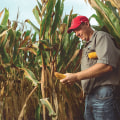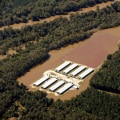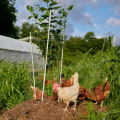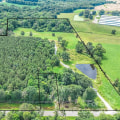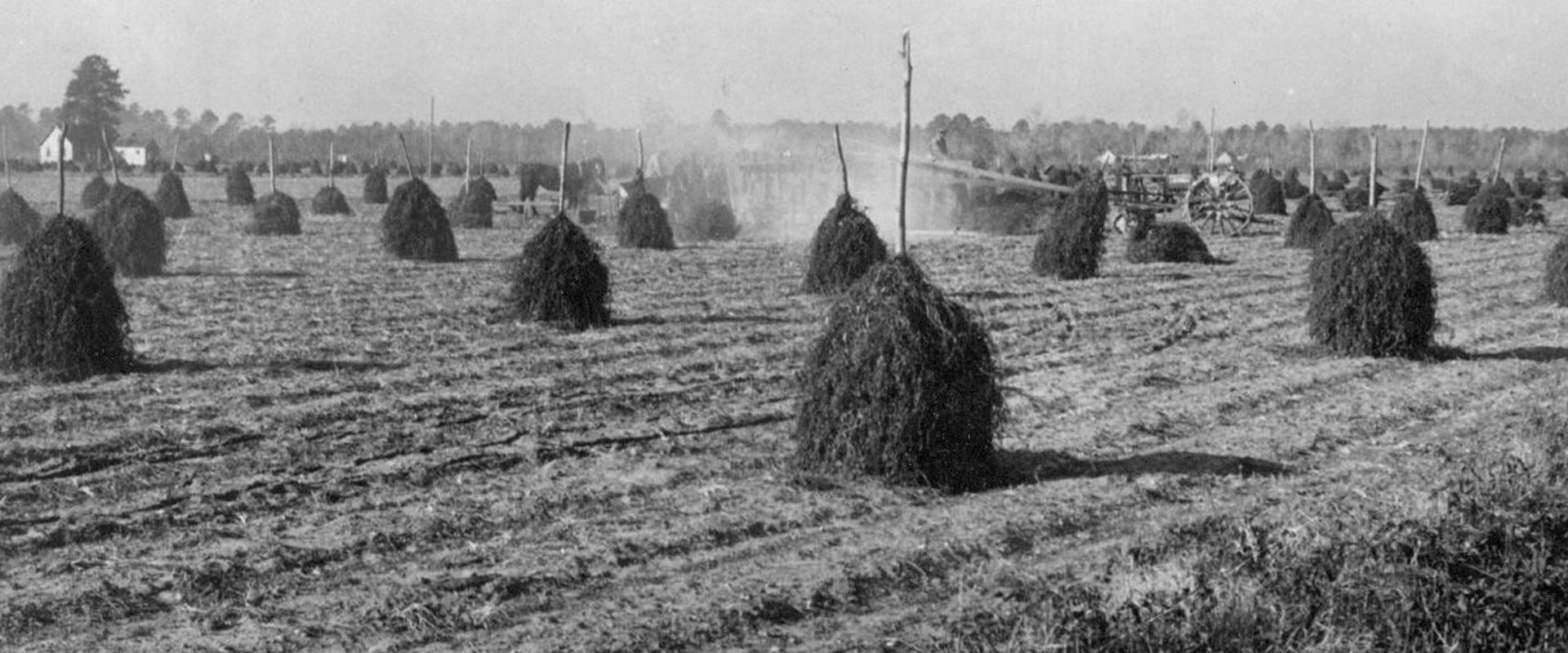
The farming landscape in Waxhaw, North Carolina, has undergone significant transformations over the years, reflecting broader trends in agriculture and local economic shifts. Historically, this region was characterized by small family farms that primarily focused on crops like cotton, tobacco, and corn. These farms not only provided sustenance for local families but also contributed to the community's identity and culture. As we delve into the evolution of farming practices in Waxhaw, it becomes evident that the resilience and adaptability of farmers in Waxhaw, North Carolina, have played a crucial role in navigating these changes, much like the examples of health care professionals who adapt to meet the needs of their communities.In recent decades, the agricultural scene has shifted dramatically due to various factors such as technological advancements, market demands, and urbanization. , have played a crucial role in navigating these changes, much like the examples of health care professionals who adapt to meet the needs of their communities.In recent decades, the agricultural scene has shifted dramatically due to various factors such as technological advancements, market demands, and urbanization.
The introduction of modern farming equipment and techniques has allowed local farmers to increase productivity while also addressing sustainability concerns. Additionally, the rise of organic farming and local food movements has encouraged many farmers to diversify their crops and engage more directly with consumers. This shift not only supports local economies but also fosters a sense of community among residents who value fresh, locally-sourced produce.As we explore the rich history and ongoing changes in farming practices within Waxhaw, it is essential to recognize the challenges that farmers face today. Issues such as climate change, land development pressures, and fluctuating market prices continue to impact agricultural viability.
However, the spirit of innovation among farmers in Waxhaw, North Carolina, remains strong, ensuring that this vital industry continues to evolve while preserving its deep-rooted traditions.
Historical Overview of Farming in Waxhaw
The history of farming in Waxhaw, North Carolina dates back to the early 18th century when settlers first arrived in the region. These early farmers were primarily of Scottish and Irish descent, bringing with them traditional agricultural practices that would shape the landscape of Waxhaw for generations.Initially, the fertile soil and favorable climate allowed for a variety of crops to be cultivated. The settlers focused on growing staple crops such as corn, wheat, and tobacco, which were essential for both sustenance and trade. The cultivation of tobacco, in particular, became a significant economic driver for the community, leading to the establishment of numerous small farms.Early Agricultural Practices
The early farmers in Waxhaw employed a mix of traditional and innovative farming techniques.They utilized crop rotation to maintain soil fertility and practiced subsistence farming, which meant they grew enough food to support their families while also producing surplus for sale or trade.
- Crop Rotation: This method helped prevent soil depletion and promoted healthier yields.
- Animal Husbandry: Farmers raised livestock such as cattle, pigs, and chickens, which provided meat, milk, and eggs.
- Community Cooperation: Neighbors often worked together during planting and harvest seasons, fostering a strong sense of community.
The community continues to honor its roots through local farmers' markets and agricultural fairs that celebrate the rich history of farming in this vibrant region.
Key Changes in Farming Practices Over the Decades
The farming landscape in Waxhaw, North Carolina, has undergone significant transformations over the decades, reflecting broader trends in agricultural practices across the United States. Historically, farming in this region was characterized by traditional methods that relied heavily on manual labor and natural resources. However, as technology has advanced, so too have the techniques employed by farmers in Waxhaw, North Carolina.Technological Advancements
- Mechanization: The introduction of tractors and other machinery has revolutionized farming efficiency. Tasks that once took days can now be completed in hours, allowing farmers to cultivate larger areas with less labor.
- Precision Agriculture: Modern farmers are increasingly utilizing GPS technology and data analytics to optimize crop yields.
This approach allows for precise planting, watering, and fertilization, reducing waste and increasing productivity.
- Biotechnology: The use of genetically modified organisms (GMOs) has become more prevalent, enabling farmers to grow crops that are resistant to pests and diseases. This shift has led to higher yields and reduced reliance on chemical pesticides.
Shifts in Crop Production
In addition to technological advancements, there has been a notable shift in the types of crops being produced. While traditional crops such as corn and soybeans remain staples, there is a growing interest in organic farming and specialty crops. Farmers are increasingly diversifying their production to include:
- Organic Vegetables: With rising consumer demand for organic produce, many farmers have transitioned to organic farming practices.
- Herbs and Flowers: Specialty crops like herbs and ornamental flowers have gained popularity, providing farmers with new market opportunities.
As they embrace modern techniques while respecting traditional values, these farmers are shaping the future of agriculture in their community.
Impact of Economic Factors on Farming in Waxhaw
The farming landscape in Waxhaw, North Carolina has undergone significant transformations due to various economic factors. Understanding these changes is crucial for grasping the current state of agriculture in the region.Market Demand and Crop Selection
One of the primary economic influences on farming in Waxhaw has been the shifting market demand. As consumer preferences evolve, farmers have adapted by diversifying their crops. For instance, there has been a noticeable increase in organic farming practices, driven by a growing demand for organic produce.
This shift not only caters to health-conscious consumers but also allows farmers to command higher prices for their products.
Land Prices and Accessibility
The rising land prices in Waxhaw have posed challenges for both new and established farmers. As urban development encroaches on agricultural land, many farmers find it increasingly difficult to acquire or maintain their properties. This trend has led to a consolidation of farms, where larger operations absorb smaller ones, impacting the diversity of farming practices in the area.
Government Policies and Support
Government policies have also played a pivotal role in shaping the agricultural economy of Waxhaw. Programs aimed at supporting local farmers through subsidies and grants have provided some relief, but the effectiveness of these initiatives can vary.
Farmers often express concerns about regulatory burdens that can limit their operational flexibility and profitability.
Income Changes Among Farmers
The cumulative effect of these economic factors has led to notable changes in farmers' income. While some farmers have benefited from higher prices for specialty crops, others struggle with rising costs and competition from larger agricultural entities. The disparity in income levels among farmers highlights the need for ongoing support and adaptation strategies to ensure sustainability in Waxhaw's agricultural sector.In conclusion, the interplay of market demand, land prices, and government policies continues to shape the farming industry in Waxhaw, North Carolina. As these economic factors evolve, so too will the strategies employed by local farmers to thrive in an ever-changing landscape.
The Role of Community and Local Farmers' Organizations
The farming landscape in Waxhaw, North Carolina, has been significantly influenced by the community support and the efforts of local farmers' organizations.These groups have played a crucial role in fostering a sense of unity among farmers and promoting sustainable agricultural practices.
Community Support for Farmers
- Local residents have shown a strong commitment to supporting farmers in Waxhaw through various initiatives, including farmers' markets and community-supported agriculture (CSA) programs.
- These initiatives not only provide farmers with a direct market for their produce but also strengthen the bond between consumers and local agriculture.
- Community events, such as harvest festivals and farm tours, further enhance awareness about the importance of local farming and encourage residents to buy locally.
Farmers' Organizations in Waxhaw
- Organizations like the Waxhaw Farmers' Association have been instrumental in advocating for farmers' rights and providing resources for sustainable farming practices.
- These organizations often host workshops and training sessions that equip farmers with the knowledge needed to adapt to changing agricultural trends.
- Networking opportunities provided by these groups allow farmers to share best practices, collaborate on projects, and address common challenges.
Local Agriculture Initiatives
- The rise of organic farming in Waxhaw can be attributed to local initiatives that promote environmentally friendly practices.
- Programs aimed at educating the public about the benefits of local produce have also gained traction, leading to increased demand for products from local farms.
- Moreover, partnerships between local schools and farms have introduced agricultural education into the curriculum, fostering a new generation of farmers who are aware of sustainable practices.
Environmental Changes and Their Effects on Farming
The farming landscape in Waxhaw, North Carolina, has undergone significant transformations due to various environmental changes and the impacts of climate change. Farmers in this region have had to adapt their practices to cope with shifting weather patterns, increased temperatures, and unpredictable rainfall.One of the most notable effects of climate change is the alteration in crop viability. Traditional crops that once thrived in Waxhaw are now facing challenges due to prolonged droughts and unexpected frosts.For instance, farmers have reported a decline in yields for crops like corn and soybeans, which are sensitive to temperature fluctuations.
Shifts in Crop Choices
As a response to these environmental challenges, many farmers in Waxhaw are exploring alternative crops that are more resilient to changing conditions. Some of these include:- Sweet potatoes: Known for their adaptability, sweet potatoes have become a popular choice among local farmers.
- Herbs and specialty vegetables: These crops often require less water and can be more profitable.
- Cover crops: Farmers are increasingly using cover crops to improve soil health and reduce erosion.
While environmental changes pose significant challenges, they also present opportunities for innovation and adaptation. By embracing sustainable practices and diversifying crop choices, farmers in Waxhaw can continue to thrive despite the uncertainties brought about by climate change.
Current Trends Among Farmers in Waxhaw
The farming landscape in Waxhaw, North Carolina, has undergone significant transformations in recent years, reflecting broader trends in agriculture across the nation.Modern farmers in Waxhaw
are increasingly adopting innovative practices that prioritize sustainability and community engagement.Organic Farming Practices
One of the most notable trends is the rise of organic farming. Farmers in Waxhaw are shifting away from conventional methods that rely heavily on synthetic fertilizers and pesticides.Instead, they are embracing organic techniques that promote soil health and biodiversity. This shift not only caters to the growing consumer demand for organic produce but also aligns with environmental stewardship.
Sustainable Agriculture Initiatives
Sustainability is at the forefront of many farming operations in Waxhaw. Local farmers are implementing practices such as crop rotation, cover cropping, and integrated pest management to enhance productivity while minimizing environmental impact. These methods help preserve natural resources and reduce carbon footprints, making farming more resilient to climate change.Community-Supported Agriculture (CSA)
Another trend gaining traction is community-supported agriculture (CSA).This model allows consumers to buy shares of a farm's harvest in advance, providing farmers with upfront capital while ensuring that community members receive fresh, locally grown produce. CSAs foster a direct connection between farmers and consumers, promoting local economies and encouraging sustainable consumption habits.
- Increased focus on local markets: Farmers are prioritizing local sales channels, reducing transportation emissions and supporting the local economy.
- Diverse crop production: Many farmers are diversifying their crops to include heirloom varieties and specialty items that appeal to niche markets.
- Education and outreach: Farmers are engaging with the community through workshops and farm tours to educate the public about sustainable practices.
Future Outlook for Farming in Waxhaw
The future of farming in Waxhaw, North Carolina appears to be shaped by a combination of technological advancements, changing consumer preferences, and environmental considerations. As we look towards 2024 and beyond, several key trends are emerging that will likely influence the landscape for farmers in Waxhaw, North Carolina.Technological Integration
One of the most significant changes on the horizon is the integration of technology into farming practices. Precision agriculture, which utilizes data analytics and GPS technology, is becoming increasingly popular among local farmers.This approach allows for more efficient use of resources, such as water and fertilizers, ultimately leading to higher yields and reduced environmental impact.
Sustainable Practices
As consumers become more environmentally conscious, there is a growing demand for sustainable farming practices. Farmers in Waxhaw are likely to adopt methods such as organic farming and regenerative agriculture to meet this demand. These practices not only help in preserving the local ecosystem but also enhance the marketability of their products.Market Trends
- Local Produce Demand: There is an increasing trend towards supporting local agriculture, with consumers seeking fresh, locally-sourced produce. This shift presents an opportunity for Waxhaw farmers to expand their reach through farmers' markets and community-supported agriculture (CSA) programs.
- Diversification: To mitigate risks associated with climate change and market fluctuations, many farmers are diversifying their crops and livestock.
This strategy not only enhances resilience but also caters to a broader range of consumer preferences.
Challenges Ahead
Despite these positive trends, farmers in Waxhaw will face challenges such as fluctuating weather patterns and potential regulatory changes. Climate change poses a significant threat to traditional farming methods, necessitating adaptability and innovation among local producers.In conclusion, the predictions for agriculture in Waxhaw suggest a dynamic future characterized by technological advancements and a shift towards sustainability. As we approach 2024, the outlook for farmers in this region remains optimistic, provided they can navigate the challenges ahead while embracing new opportunities.Frequently Asked Questions About Farming in Waxhaw
Farming in Waxhaw, North Carolina, has evolved significantly over the years, leading to various questions from both locals and newcomers. Here are some frequently asked questions about farmers in Waxhaw, North Carolina and the agricultural landscape:- What types of crops are commonly grown in Waxhaw?
Farmers in Waxhaw primarily cultivate a variety of crops, including corn, soybeans, and cotton.Additionally, many local farmers engage in organic farming, producing fruits and vegetables for community-supported agriculture (CSA) programs.
- How has technology impacted farming practices in Waxhaw?
The introduction of modern technology has transformed farming in Waxhaw. Farmers now utilize precision agriculture techniques, such as GPS-guided equipment and data analytics, to enhance crop yields and reduce waste. - Are there any local farmers' markets in Waxhaw?
Yes, Waxhaw hosts several farmers' markets where local producers sell fresh produce, homemade goods, and artisanal products. These markets not only support local agriculture but also foster community engagement. - What challenges do farmers in Waxhaw face today?
Like many regions, farmers in Waxhaw encounter challenges such as fluctuating market prices, climate change impacts, and the need for sustainable practices. Addressing these issues is crucial for the future of agriculture in the area. - How can I get involved with local farming initiatives?
There are numerous ways to engage with the farming community in Waxhaw.You can volunteer at local farms, participate in workshops, or join agricultural organizations that promote sustainable practices.
Conclusion: The Transformation of Farming in Waxhaw
In conclusion, the farming industry in Waxhaw, North Carolina has undergone significant transformation over the years, reflecting broader trends in agriculture and local economic shifts. Historically known for its rich agricultural heritage, Waxhaw has seen a gradual decline in traditional farming practices as urbanization and development have taken precedence.As we explored, the farmers in Waxhaw, North Carolina have adapted to these changes by embracing modern techniques and diversifying their crops. This evolution has allowed them to remain competitive in a market that increasingly favors sustainability and organic practices. The rise of community-supported agriculture (CSA) programs and farmers' markets has also played a crucial role in connecting local producers with consumers, fostering a sense of community and support for local economies.Moreover, the introduction of technology in farming practices has revolutionized how farmers operate.From precision agriculture to advanced irrigation systems, these innovations have not only increased efficiency but also improved crop yields. As a result, many farmers are now able to produce high-quality products that meet the demands of a more health-conscious consumer base.Looking ahead, the future of farming in Waxhaw appears promising. With ongoing efforts to promote sustainable practices and support local agriculture, the community is likely to see a resurgence in interest towards farming as both a livelihood and a lifestyle choice. The commitment of local farmers to adapt and innovate will be essential in navigating the challenges posed by climate change and market fluctuations.In summary, the transformation of the farming industry in Waxhaw is a testament to the resilience and adaptability of its farmers.
As they continue to evolve with changing times, they not only preserve their agricultural roots but also contribute significantly to the cultural and economic fabric of the region.