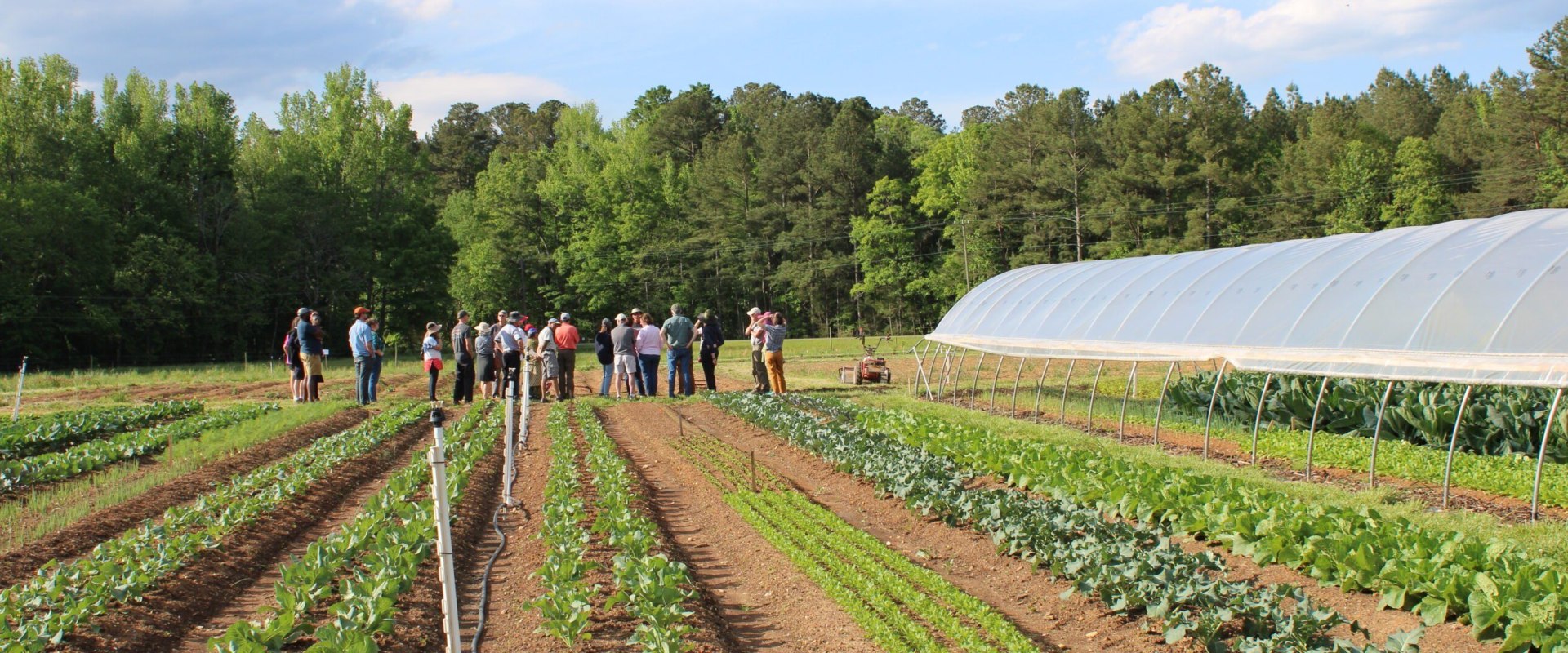
In recent years, the demand for organic farming has surged, reflecting a growing awareness of health, sustainability, and environmental impact. In Waxhaw, North Carolina, this trend is particularly evident as local farmers embrace organic practices to meet the needs of a community that values fresh, chemical-free produce. The picturesque landscapes of Waxhaw provide an ideal backdrop for these farms, where the commitment to organic methods not only enhances the quality of food but also fosters a deeper connection between consumers and their local agricultural roots, echoing the Enduring Legacy of Agriculture in Charleston SC.Organic farms in Waxhaw are more than just places to buy fruits and vegetables; they represent a movement towards sustainable agriculture that prioritizes soil health, biodiversity, and ethical farming practices. Many of these farms are family-owned and operated, showcasing a dedication to preserving traditional farming techniques while innovating for the future. embrace organic practices to meet the needs of a community that values fresh, chemical-free produce. The picturesque landscapes of Waxhaw provide an ideal backdrop for these farms, where the commitment to organic methods not only enhances the quality of food but also fosters a deeper connection between consumers and their local agricultural roots, echoing the Enduring Legacy of Agriculture in Charleston SC. Organic farms in Waxhaw are more than just places to buy fruits and vegetables; they represent a movement towards sustainable agriculture that prioritizes soil health, biodiversity, and ethical farming practices. Many of these farms are family-owned and operated, showcasing a dedication to preserving traditional farming techniques while innovating for the future.
As you explore the local agricultural scene, you'll find that these farmers in Waxhaw, North Carolina, are not only cultivating crops but also cultivating community relationships through farmers' markets, educational workshops, and farm-to-table initiatives. The significance of organic farming in Waxhaw extends beyond mere economics; it embodies a lifestyle choice that resonates with many residents. By supporting local organic farms, consumers contribute to a healthier ecosystem and promote sustainable practices that benefit future generations. As we delve deeper into the world of organic agriculture in this charming town, we will uncover the unique stories behind these farms and the passionate individuals who dedicate their lives to nurturing both the land and their community.
Overview of Organic Farming
Organic farming is a method of agriculture that emphasizes the use of natural processes and materials to cultivate crops and raise livestock. This approach avoids synthetic fertilizers, pesticides, and genetically modified organisms (GMOs), focusing instead on maintaining ecological balance and promoting biodiversity.The principles of organic farming are rooted in sustainability, health, and environmental stewardship.At its core, organic farming seeks to enhance soil health through practices such as crop rotation, cover cropping, and composting. These methods not only improve soil fertility but also help in managing pests and diseases naturally. By fostering a diverse ecosystem, organic farms can produce healthier crops while minimizing the impact on the environment.
Benefits of Organic Farming
- Healthier Produce: Organic fruits and vegetables are often richer in nutrients and free from harmful chemicals, making them a safer choice for consumers.
- Environmental Protection: By avoiding synthetic inputs, organic farming reduces pollution and conserves water, contributing to a healthier planet.
- Biodiversity: Organic farms support a variety of plants and animals, which helps maintain ecological balance and resilience against pests.
- Support for Local Economies: Many organic farms are small-scale operations that contribute to local economies by providing jobs and fresh produce to nearby communities.
As consumers become more conscious of their food choices, the demand for organic products continues to rise, encouraging more farmers in Waxhaw to adopt these environmentally friendly methods.
The Organic Farming Scene in Waxhaw, NC
Waxhaw, North Carolina, has seen a notable rise in organic farming over the past few years, reflecting a broader trend towards sustainable agriculture across the United States. Local farmers in Waxhaw are increasingly adopting organic practices, driven by consumer demand for healthier, chemical-free produce.According to recent statistics, the number of certified organic farms in the region has grown by approximately 20% since 2018. This growth is not only a response to consumer preferences but also a testament to the commitment of local farmers to environmental stewardship and sustainable practices.Key Players in Organic Farming
- Local Farms: Several farms in Waxhaw have transitioned to organic methods, offering a variety of products including fruits, vegetables, and herbs.
- Community Supported Agriculture (CSA): Many local farmers participate in CSA programs, allowing residents to subscribe for regular deliveries of fresh organic produce.
- Farmers' Markets: The Waxhaw Farmers' Market features numerous vendors who sell organic products, providing a platform for local farmers to connect with the community.
With ongoing efforts to promote sustainable practices, Waxhaw is positioning itself as a hub for organic agriculture in North Carolina.
List of Organic Farms in Waxhaw
Waxhaw, North Carolina, is home to several organic farms that provide fresh, locally-sourced produce. These farms not only focus on sustainable practices but also contribute to the community by participating in local farmers markets. Here’s a list of some notable organic farms in the area:- Harris Farm
Located on the outskirts of Waxhaw, Harris Farm specializes in a variety of organic vegetables and herbs. They offer a CSA (Community Supported Agriculture) program that allows members to receive a weekly box of fresh produce.For more information, visit their website or contact them at (704) 555-1234.
- Green Acres Organic Farm
This family-owned farm focuses on organic fruits and vegetables, including heirloom tomatoes and strawberries. Green Acres also hosts seasonal events and workshops on organic gardening. You can find them at local farmers markets or reach out via email at info@greenacreswaxhaw.com. - Waxhaw Heritage Farm
Known for its commitment to organic practices, Waxhaw Heritage Farm offers a wide range of produce and free-range eggs. They are dedicated to educating the community about sustainable farming methods.Visit their farm stand or call (704) 555-5678 for more details.
Profiles of Local Farmers
Waxhaw, North Carolina, is home to a vibrant community of farmers who are dedicated to sustainable practices and enriching the local economy. Here are a few notable profiles of farmers in the area:John and Mary Smith - Smith Family Farm
The Smith Family Farm has been a staple in Waxhaw for over 30 years.John and Mary Smith focus on organic vegetable production, offering a variety of seasonal crops including tomatoes, cucumbers, and peppers. Their commitment to organic farming not only supports local health but also promotes biodiversity in the region. The couple actively participates in local farmers' markets, providing fresh produce directly to the community.
Emily Johnson - Johnson's Heritage Farm
Emily Johnson runs Johnson's Heritage Farm, where she specializes in heritage breeds of livestock. Her farm is known for its pasture-raised chickens and pigs, which are raised without antibiotics or hormones.Emily emphasizes the importance of animal welfare and sustainable farming practices. She also offers educational workshops for aspiring farmers in Waxhaw, sharing her knowledge about ethical farming methods.
David Lee - Lee's Organic Orchard
David Lee operates Lee's Organic Orchard, where he cultivates a variety of fruits including apples, peaches, and berries. His orchard is certified organic and employs permaculture techniques to enhance soil health and reduce water usage. David is passionate about community engagement and often hosts pick-your-own fruit events that attract families from all over Waxhaw.These farmers not only contribute to the local food system but also foster a sense of community through their dedication to sustainable agriculture.By supporting these local farmers in Waxhaw, residents can enjoy fresh produce while promoting environmentally friendly practices.
Community Support for Organic Farming
The community in Waxhaw, North Carolina, plays a vital role in supporting organic farming through various initiatives that foster local agriculture and promote sustainable practices. This support not only benefits the farmers but also enhances the overall health and well-being of the community.One of the most significant ways the community supports local farmers is through farmers markets. These markets provide a platform for organic farmers to sell their produce directly to consumers, creating a direct connection between growers and buyers. In Waxhaw, the farmers market is a bustling hub where residents can find fresh, locally grown organic fruits and vegetables.This not only encourages residents to buy local but also helps farmers gain visibility and build a loyal customer base.Additionally, community co-ops have emerged as another avenue for supporting organic farming. These cooperatives allow members to pool resources and share in the purchasing of organic products, making it more affordable for families to access high-quality food. By joining a co-op, residents can also participate in educational programs that teach them about sustainable farming practices and the benefits of eating organic.
Educational initiatives
are crucial in fostering a culture of support for organic farming. Local schools and community organizations often host workshops and events that educate residents about the importance of organic agriculture.
These programs cover topics such as gardening techniques, composting, and the environmental benefits of organic farming. By raising awareness and providing hands-on learning opportunities, these initiatives empower community members to make informed choices about their food sources.Moreover, social media platforms and local newsletters serve as effective tools for promoting events related to organic farming. They help spread the word about upcoming farmers markets, workshops, and other community gatherings that celebrate local agriculture. This digital outreach not only keeps residents informed but also encourages participation in supporting local farmers.In conclusion, the support for local farmers in Waxhaw is evident through various community-driven initiatives.
From farmers markets to educational programs, these efforts create a robust network that uplifts organic farming and fosters a sustainable future for the region.
Challenges Faced by Organic Farmers in Waxhaw
Organic farmers in Waxhaw, North Carolina, face a variety of challenges that can impact their ability to thrive in a competitive market. Understanding these issues is crucial for anyone interested in the local agricultural landscape.Market Competition
- One of the primary challenges is market competition. With the rise in popularity of organic produce, many new farms have emerged, leading to increased competition among local farmers.
- Established farmers often find it difficult to maintain their customer base as new entrants offer similar products at lower prices.
Climate Issues
- Climate change poses another significant challenge. Unpredictable weather patterns can affect crop yields and the overall health of the farm.
- Farmers must adapt to these changes, which may require additional resources and innovative farming techniques.
Pest Management
- Organic farmers also face difficulties with pest management.
Without the use of synthetic pesticides, they must rely on natural methods, which can be less effective and more labor-intensive.
- This can lead to increased costs and potential losses if pests are not adequately controlled.
Regulatory Challenges
- Navigating the regulatory landscape for organic certification can be daunting. Farmers must adhere to strict guidelines to maintain their organic status, which can be time-consuming and costly.
- This often requires ongoing education and investment in sustainable practices.
FAQs About Organic Farming in Waxhaw
When exploring the world of organic farming in Waxhaw, North Carolina, many people have questions about the practices, benefits, and availability of local organic farms. Here are some frequently asked questions that can help clarify these topics.What is organic farming?
Organic farming is an agricultural practice that emphasizes the use of natural processes and materials.This means avoiding synthetic fertilizers, pesticides, and genetically modified organisms (GMOs). Instead, organic farmers focus on maintaining healthy soil, promoting biodiversity, and using sustainable practices to grow crops.
Are there organic farms in Waxhaw?
Yes, there are several organic farms in Waxhaw, North Carolina. These farms offer a variety of products, including fruits, vegetables, and herbs. Many local farmers participate in community-supported agriculture (CSA) programs, allowing residents to receive fresh produce directly from the farm.How can I find local organic farmers?
- Visit local farmers' markets where many farmers in Waxhaw showcase their organic produce.
- Check online directories or websites dedicated to organic farming.
- Engage with community groups on social media that focus on local agriculture.
What are the benefits of buying from local organic farms?
- Freshness: Local organic produce is often harvested at peak ripeness, ensuring better flavor and nutritional value.
- Sustainability: Supporting local farmers helps reduce carbon footprints associated with transporting food over long distances.
- Community Support: Buying from local farms strengthens the local economy and fosters community relationships.
Conclusion: The Future of Organic Farming in Waxhaw
As we look towards the future of organic farming in Waxhaw, it is clear that the community's commitment to sustainable agriculture is stronger than ever.The increasing demand for organic produce, driven by health-conscious consumers, presents a significant opportunity for local farmers in Waxhaw, North Carolina. This trend not only supports the local economy but also promotes environmental stewardship.Several factors will influence the growth of organic farming in the area:
- Consumer Awareness: As more people become educated about the benefits of organic food, the demand will likely continue to rise. Local farmers are encouraged to engage with the community through farmers' markets and educational workshops.
- Supportive Policies: Local government initiatives aimed at promoting sustainable practices can provide essential resources and funding for organic farms. Advocacy for policies that support organic certification and funding for new farmers will be crucial.
- Community Involvement: The success of organic farming relies heavily on community support.
Initiatives that connect consumers with local farms can foster a stronger relationship between farmers and residents, encouraging more people to buy locally.