Farming in Waxhaw, North Carolina, is a vital part of the local economy and culture, reflecting the region's rich agricultural heritage. Nestled in the picturesque landscape of Union County, Waxhaw offers a unique blend of rural charm and modern farming practices. The area is known for its diverse agricultural output, ranging from traditional crops to innovative farming techniques that cater to both local markets and broader distribution networks. As the demand for locally sourced produce continues to rise, the role of farmers in Waxhaw, North Carolina, becomes increasingly significant. However, the journey of a farmer in this region is not without its challenges.
From unpredictable weather patterns to fluctuating market prices, the obstacles faced by local farmers can be daunting. Additionally, the encroachment of urban development poses a threat to available farmland, making it essential for farmers to adapt and innovate continuously. Understanding these challenges is crucial for appreciating the resilience and dedication of those who cultivate the land in Waxhaw. As we delve deeper into the specific hurdles that farmers encounter in this vibrant community, it becomes clear that their experiences are shaped by a combination of environmental factors, economic pressures, and community dynamics. This exploration not only highlights the struggles but also celebrates the tenacity of farmers who strive to maintain their livelihoods while contributing to the local food system.
Overview of Agriculture in Waxhaw
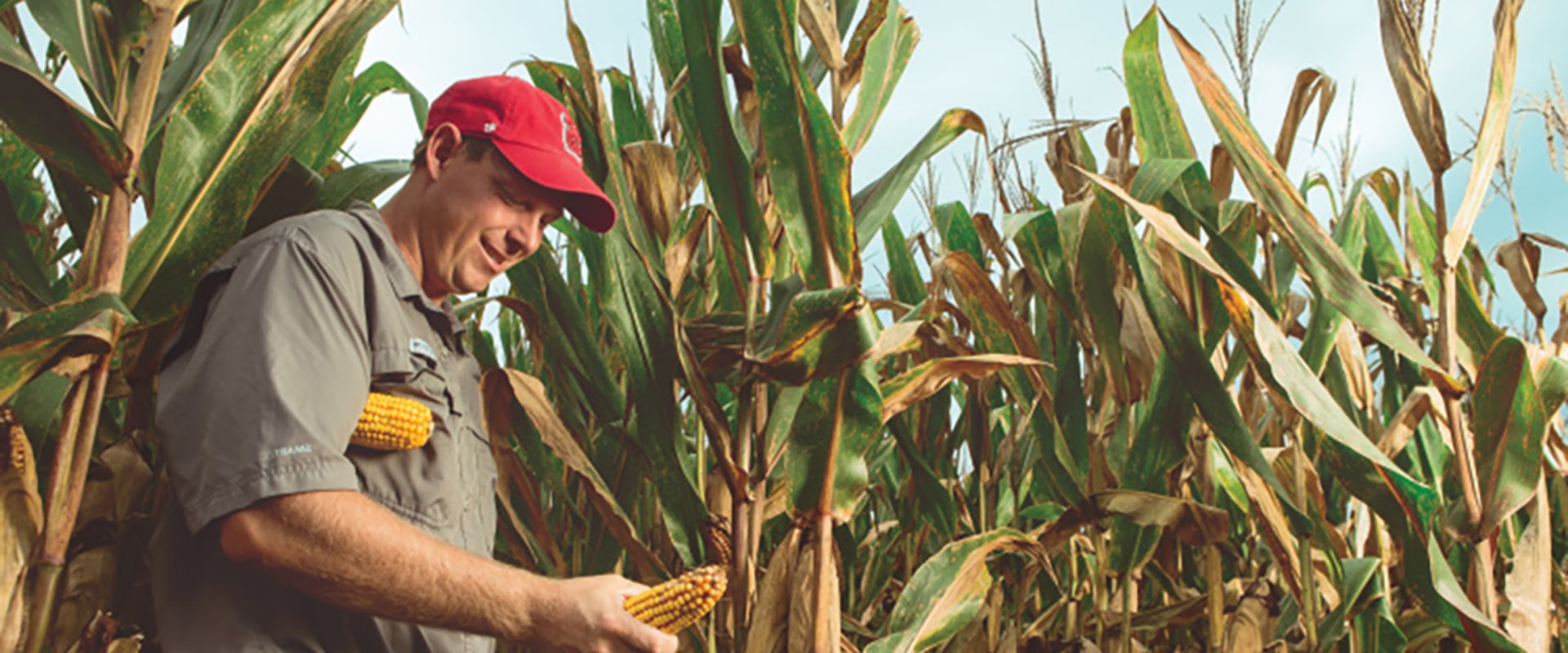
Agriculture in Waxhaw, North Carolina, is characterized by a rich tapestry of farming practices and a diverse array of local crops.The region's fertile soil and favorable climate conditions make it an ideal location for various agricultural activities. Farmers in Waxhaw have traditionally focused on both crop production and livestock, contributing significantly to the local economy.One of the most common crops grown in Waxhaw includes corn, which thrives in the region's warm summers. Additionally, soybeans and wheat are prevalent, providing essential grains for both human consumption and animal feed. The area is also known for its vegetable farming, with farmers cultivating a variety of produce such as tomatoes, cucumbers, and peppers.
These crops not only support local markets but also contribute to the farm-to-table movement that is gaining traction in the community.
Farming Practices
The farming practices employed by local farmers in Waxhaw reflect a blend of traditional methods and modern techniques. Many farmers utilize sustainable agriculture practices to enhance soil health and reduce environmental impact. This includes crop rotation, cover cropping, and integrated pest management. These methods not only improve crop yields but also promote biodiversity within the farming ecosystem.Moreover, the rise of organic farming has gained popularity among some farmers in Waxhaw, catering to the increasing demand for organic produce.This shift requires adherence to strict guidelines and practices that ensure the integrity of organic products, further challenging farmers to adapt their operations.In summary, understanding the agricultural landscape of Waxhaw is crucial for recognizing the challenges faced by farmers in this region. The combination of diverse crops, innovative farming practices, and a commitment to sustainability shapes the unique agricultural identity of Waxhaw, North Carolina.
Climate Challenges for Farmers in Waxhaw
The farming landscape in Waxhaw, North Carolina, is significantly influenced by its climate and weather patterns. Farmers in this region face a variety of challenges that stem from seasonal variations, which can impact crop yields and overall farm productivity.One of the most pressing issues is the occurrence of droughts. During dry spells, the lack of adequate rainfall can lead to water shortages, making it difficult for farmers to irrigate their crops effectively.This not only affects the growth of plants but can also lead to reduced soil fertility over time. Farmers must invest in irrigation systems and water conservation techniques to mitigate these effects, which can be costly and labor-intensive.Conversely, flooding presents another significant challenge. Heavy rains, particularly during the spring and fall months, can lead to waterlogged fields that hinder planting and harvesting activities. Flooded fields can also cause soil erosion and nutrient runoff, further complicating the farming process.
Farmers often have to adapt their planting schedules and choose crop varieties that are more resilient to these unpredictable weather events.
Temperature fluctuations
are another critical factor affecting farming in Waxhaw. The region experiences a range of temperatures throughout the year, with hot summers and cooler winters. These fluctuations can stress crops, making them more susceptible to diseases and pests. Farmers need to stay informed about weather forecasts and may need to implement protective measures such as row covers or shade cloths during extreme temperature events.In summary, the climate challenges faced by farmers in Waxhaw require a proactive approach.
By understanding the local weather patterns and investing in adaptive strategies, farmers can better navigate the complexities of farming in this dynamic environment.
Economic Factors Affecting Farmers
Farming in Waxhaw, North Carolina, presents a unique set of economic challenges that significantly impact local farmers. One of the most pressing issues is the fluctuation of market prices. Farmers often find themselves at the mercy of unpredictable market conditions, which can lead to substantial variations in income. For instance, the prices of crops such as corn and soybeans can change dramatically from season to season, making it difficult for farmers to plan their budgets effectively.Additionally, the cost of farming has been on the rise.Inputs such as seeds, fertilizers, and pesticides have seen increased prices due to various factors including supply chain disruptions and inflation. This escalation in costs places a heavy burden on farmers, who must balance these expenses against their potential earnings. Many farmers in Waxhaw are forced to make tough decisions about which crops to plant or whether to invest in new equipment.Labor costs also contribute significantly to the economic pressures faced by farmers. With a growing demand for skilled labor in agriculture, wages have risen, further squeezing profit margins.
Farmers must navigate these rising costs while ensuring they maintain a competitive edge in the market.To cope with these challenges, many farmers are exploring alternative strategies such as diversifying their crops or adopting sustainable farming practices that may reduce long-term costs. However, these solutions require upfront investment and a willingness to adapt to changing economic landscapes.In summary, the economic factors affecting farmers in Waxhaw, North Carolina, are multifaceted and complex. From fluctuating market prices to rising operational costs, these challenges necessitate resilience and innovation among local farmers as they strive to sustain their livelihoods.
Regulatory and Policy Challenges
Farming in Waxhaw, North Carolina, presents a unique set of challenges, particularly when it comes to regulatory and policy issues. Local farmers often find themselves navigating a complex web of farming regulations that can significantly impact their operations.One of the primary concerns for farmers in Waxhaw is the local zoning laws.These regulations dictate what types of agricultural activities can be conducted in specific areas, which can limit the ability of farmers to expand or diversify their operations. For instance, some zones may restrict livestock farming or certain types of crop production, forcing farmers to adapt their practices or seek alternative locations.Additionally, agricultural policies at both the state and federal levels can create further complications. Programs designed to support farmers may come with stringent requirements that are difficult for small-scale operations to meet. This can include everything from environmental compliance to financial reporting, which can be particularly burdensome for those who are already stretched thin managing their farms.
- Local Government Impact: The role of local government cannot be understated.
Decisions made by local councils regarding land use and agricultural support can either bolster or hinder farming efforts. Farmers often need to engage with local officials to advocate for policies that support sustainable farming practices.
- Permitting Processes: Obtaining the necessary permits for new projects or expansions can be a lengthy and complicated process. Delays in permitting can stall important initiatives, such as building new facilities or implementing innovative farming techniques.
- Community Engagement: Farmers must also consider community sentiment towards agriculture. As Waxhaw continues to grow and attract new residents, balancing agricultural interests with urban development becomes increasingly challenging.
Understanding these regulations and actively engaging with local policies is essential for farmers aiming to thrive in this evolving environment.
Technological Advancements and Their Impact
In recent years, technology in farming has emerged as a double-edged sword for farmers in Waxhaw, North Carolina. While modern farming techniques have the potential to enhance productivity and efficiency, they also introduce new challenges that can be daunting for local agriculturalists.One of the most significant advancements is precision agriculture, which utilizes data analytics, GPS technology, and IoT devices to optimize farming practices. This approach allows farmers to monitor crop health, soil conditions, and weather patterns in real-time. By leveraging these insights, farmers can make informed decisions about irrigation, fertilization, and pest control, ultimately leading to higher yields and reduced waste.However, the adoption of such technologies is not without its hurdles.Many farmers in Waxhaw face financial constraints that limit their ability to invest in advanced equipment and software. The initial costs associated with precision agriculture tools can be prohibitive, especially for smaller farms that operate on tight margins. Additionally, the learning curve associated with new technologies can be steep, requiring time and training that many farmers may not have.Moreover, the reliance on technology can sometimes exacerbate existing challenges. For instance, technical malfunctions or software glitches can disrupt operations at critical times during the growing season.
Farmers may find themselves grappling with issues such as data overload or misinterpretation of analytics, which can lead to poor decision-making.Despite these challenges, many farmers are recognizing the long-term benefits of integrating technology into their practices. As they navigate the complexities of modern agriculture, collaboration with tech companies and participation in local agricultural programs can provide essential support. By embracing innovation while addressing the accompanying challenges, farmers in Waxhaw can position themselves for success in an increasingly competitive market.
Community Support and Resources for Farmers
Farming in Waxhaw, North Carolina, presents unique challenges, but the local community plays a vital role in supporting farmers in Waxhaw North Carolina. Various initiatives and resources are available to help these farmers navigate difficulties such as climate variability, market access, and sustainable practices.Local Organizations and Cooperatives
- The Union County Agricultural Extension offers educational programs and workshops tailored to the needs of local farmers.
These programs cover topics like crop management, pest control, and soil health.
- Cooperatives such as the Waxhaw Farmers Market provide a platform for farmers to sell their produce directly to consumers, fostering community connections and ensuring fair prices.
Community Initiatives
- The Waxhaw Community Garden serves as a collaborative space where farmers can share resources, knowledge, and even labor. This initiative not only promotes sustainable farming practices but also strengthens community ties.
- Local non-profits often organize events that highlight the importance of agriculture in the area, encouraging residents to support local farms through volunteer opportunities and educational outreach.
Financial Assistance Programs
Farmers in Waxhaw can also benefit from various financial assistance programs aimed at promoting sustainable agriculture. These include grants for implementing eco-friendly practices and low-interest loans for purchasing equipment or expanding operations. By leveraging these resources, farmers can mitigate some of the financial pressures associated with farming.In conclusion, while farming in Waxhaw comes with its set of challenges, the robust support network within the community provides essential resources that empower farmers to thrive.
By engaging with local organizations and participating in community initiatives, farmers can overcome obstacles and contribute to a vibrant agricultural landscape.
FAQs About Farming Challenges in Waxhaw
Farming in Waxhaw, North Carolina, presents a unique set of challenges that can significantly impact local farmers in Waxhaw North Carolina. Here are some frequently asked questions that shed light on these difficulties:- What are the primary agricultural challenges faced by farmers in Waxhaw?
Farmers in this region often contend with issues such as unpredictable weather patterns, soil quality concerns, and pest management. The climate can be particularly challenging, with periods of drought followed by heavy rainfall, which can affect crop yields. - How does the local economy impact farming?
The economic landscape in Waxhaw can influence the viability of farming operations. Fluctuations in market prices for crops and livestock can create financial uncertainty for farmers.Additionally, competition from larger agricultural businesses may pose challenges for smaller farms.
- Are there specific pests or diseases that affect crops in Waxhaw?
Certain pests, such as aphids and caterpillars, are common in the area and can devastate crops if not managed effectively. Farmers must stay informed about local pest outbreaks and implement integrated pest management strategies to protect their harvests. - What resources are available to help farmers overcome these challenges?
Local agricultural extension services provide valuable resources, including educational programs and access to research on best practices. Networking with other farmers through local associations can also offer support and shared solutions to common problems.
Conclusion: The Future of Farming in Waxhaw
As we reflect on the challenges faced by farmers in Waxhaw, North Carolina, it becomes clear that the future of farming in this region is both promising and precarious.The unique blend of local climate, soil conditions, and community support plays a crucial role in shaping the agricultural landscape.One of the most significant challenges is adapting to climate change, which has led to unpredictable weather patterns. Farmers must now navigate the complexities of droughts and heavy rainfall, which can severely impact crop yields. However, many local farmers are embracing innovative practices such as sustainable agriculture and crop diversification to mitigate these risks.Moreover, the increasing demand for organic produce presents both an opportunity and a challenge. While there is a growing market for organic products, transitioning to organic farming requires significant investment in time and resources.
Farmers in Waxhaw are beginning to explore these avenues, recognizing that consumer preferences are shifting towards healthier and more sustainable options.Community support also plays a vital role in the future of farming in Waxhaw. Local farmers' markets and farm-to-table initiatives foster a strong connection between producers and consumers, encouraging residents to support local agriculture. This not only helps farmers sustain their livelihoods but also promotes a sense of community pride.In conclusion, while farmers in Waxhaw, North Carolina face numerous challenges, their resilience and adaptability will be key to navigating the future. By embracing innovation, sustainability, and community engagement, they can continue to thrive in an ever-evolving agricultural landscape.