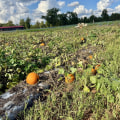
Farming in Waxhaw, North Carolina, is a rich tapestry woven with tradition, community, and the promise of sustainable agriculture. Nestled in the heart of Union County, Waxhaw boasts a unique blend of fertile land and a supportive local culture that encourages agricultural endeavors. However, for new farmers stepping into this vibrant landscape, the journey can be fraught with challenges that require resilience and adaptability, especially when it comes to understanding how to properly manage resources like when to the farm cut.As the demand for locally sourced produce continues to rise, many aspiring , is a rich tapestry woven with tradition, community, and the promise of sustainable agriculture. Nestled in the heart of Union County, Waxhaw boasts a unique blend of fertile land and a supportive local culture that encourages agricultural endeavors. However, for new farmers stepping into this vibrant landscape, the journey can be fraught with challenges that require resilience and adaptability, especially when it comes to understanding how to properly manage resources like when to the farm cut. As the demand for locally sourced produce continues to rise, many aspiring farmers in Waxhaw, North Carolina, are eager to contribute to this growing movement. Yet, they often encounter significant hurdles that can impede their progress.
From navigating regulatory requirements to securing funding and resources, the initial stages of establishing a farm can be overwhelming. Additionally, new farmers must contend with the complexities of modern agriculture, including climate variability and market competition. Understanding these challenges is crucial for anyone looking to thrive in the agricultural sector of Waxhaw. By addressing the specific obstacles faced by new farmers, we can foster a more supportive environment that not only benefits individual growers but also enhances the overall agricultural landscape of this charming North Carolina town.
Overview of Agriculture in Waxhaw
Waxhaw, North Carolina, is a region rich in agricultural heritage, characterized by its diverse farming practices and a strong sense of community among farmers in Waxhaw, North Carolina. The area benefits from a favorable climate and fertile soil, making it an ideal location for various crops.According to recent statistics, agriculture plays a significant role in the local economy.In fact, the agricultural sector contributes approximately 10% to the overall economic output of Union County, where Waxhaw is located. This statistic underscores the importance of farming not just as a livelihood but as a vital component of the community's identity.
Common Crops in Waxhaw
The types of crops cultivated in Waxhaw reflect both traditional practices and modern agricultural trends. Some of the most common crops include:- Corn: A staple crop that thrives in the region's climate.
- Soybeans: Increasingly popular due to their versatility and market demand.
- Vegetables: Local farmers often grow a variety of vegetables, including tomatoes, peppers, and cucumbers, which are sold at farmers' markets.
- Fruits: Apples and peaches are among the favored fruits, benefiting from the area's rich soil.
They must navigate various challenges such as market competition, fluctuating prices, and the need for modern farming techniques. By grasping the local farming statistics and common crops, new entrants can better position themselves for success in this vibrant agricultural community.
Financial Challenges for New Farmers
For new farmers in Waxhaw, North Carolina, navigating the financial landscape can be one of the most daunting challenges they face. The initial startup costs associated with establishing a farm can be substantial, often deterring potential farmers from pursuing their agricultural dreams. These costs typically include purchasing land, equipment, seeds, and livestock, as well as covering operational expenses such as utilities and labor.Moreover, access to funding for farmers is a critical issue.Many new farmers may not have the necessary credit history or collateral to secure traditional loans. This lack of funding can limit their ability to invest in essential resources that are vital for a successful farming operation. To address these financial hurdles, it is important for aspiring farmers to explore various funding options available specifically for agricultural ventures.
- Grants: Numerous organizations and government programs offer grants aimed at supporting new farmers. These funds can help cover startup costs without the burden of repayment.
- Low-Interest Loans: Some financial institutions provide low-interest loans tailored for agricultural purposes, making it easier for new farmers to manage their debt.
- Cooperative Programs: Joining local farming cooperatives can provide access to shared resources and collective funding opportunities.
Factors such as land prices, local market conditions, and seasonal variations all play a role in determining overall expenses. New farmers must conduct thorough research and financial planning to ensure they are prepared for these costs.In conclusion, understanding and addressing the financial issues new farmers face is crucial for anyone looking to enter the agricultural sector in Waxhaw. By leveraging available resources and planning strategically, new farmers can overcome these challenges and build sustainable farming operations.
Regulatory and Legal Challenges
For farmers in Waxhaw, North Carolina, navigating the complex web of regulatory and legal challenges is often one of the most daunting aspects of starting a new farming venture. The local government has established various farming regulations that are designed to ensure safety, sustainability, and community welfare, but these can also pose significant hurdles for newcomers.One of the primary challenges is obtaining the necessary permits for farming.Depending on the type of farming operation—be it livestock, crops, or organic farming—different permits may be required. For instance, farmers may need to secure zoning permits, health permits, and environmental permits. Each of these can involve lengthy application processes and compliance with specific local ordinances.
Understanding Local Laws
- Zoning Regulations: These dictate what types of farming activities can occur in certain areas. New farmers must ensure their land is zoned appropriately for their intended use.
- Water Usage Regulations: Farmers must comply with state and local laws regarding water usage, especially in times of drought or water scarcity.
- Pesticide and Fertilizer Regulations: There are strict guidelines on the use of chemicals in farming to protect both public health and the environment.
Understanding property rights, easements, and potential disputes with neighbors can be crucial for avoiding costly legal battles down the line. Furthermore, farmers must stay informed about changes in legislation that could impact their operations.To successfully navigate these challenges, it is advisable for new farmers in Waxhaw to seek guidance from local agricultural extension offices or legal experts specializing in agricultural law. Building a network with other local farmers can also provide valuable insights into overcoming these regulatory hurdles.
Market Access and Competition
For farmers in Waxhaw, North Carolina, accessing markets and navigating competition can be daunting, especially for those just starting out. The local agricultural landscape is rich with established farms that have built strong customer bases over the years.New farmers must find innovative ways to differentiate their products and reach potential buyers.One of the primary challenges is market access. New farmers often struggle to identify the right channels to sell their products. Farmers' markets, local grocery stores, and restaurants are potential outlets, but securing a spot can be competitive. Additionally, many consumers prefer to buy from familiar brands, making it essential for newcomers to establish their presence.
Strategies for Market Access
- Networking: Building relationships with local chefs and store owners can open doors to new sales opportunities.
- Online Sales: Utilizing social media and e-commerce platforms can help farmers reach a broader audience beyond Waxhaw.
- Community Engagement: Participating in local events and fairs can increase visibility and foster community support.
Established farms often have the advantage of brand loyalty and experience. New farmers need to focus on unique selling propositions (USPs) that set them apart. This could include organic farming practices, heirloom varieties, or specialty products that cater to niche markets.
Competing Effectively
- Diversification: Offering a variety of products can attract different customer segments and reduce reliance on a single crop.
- Quality over Quantity: Emphasizing high-quality produce can help new farmers carve out a loyal customer base.
- Brand Storytelling: Sharing the story behind the farm can create emotional connections with consumers, encouraging them to choose local products.
Environmental Challenges and Sustainability Issues
Farmers in Waxhaw, North Carolina, face a myriad of environmental challenges that significantly impact their ability to cultivate crops and raise livestock sustainably.One of the most pressing issues is the impact of climate change, which has led to unpredictable weather patterns, including increased rainfall and prolonged droughts. These fluctuations can severely affect crop yields and soil health, making it essential for farmers to adapt their practices.Moreover, sustainable farming practices are becoming increasingly vital as farmers seek to mitigate these environmental challenges. Implementing techniques such as crop rotation, cover cropping, and integrated pest management can help enhance soil fertility and reduce dependency on chemical fertilizers and pesticides. These methods not only promote healthier ecosystems but also improve the resilience of farms against climate variability.Another significant concern for farmers in this region is water management.
With the growing population and urban development in Waxhaw, water resources are becoming scarcer. Farmers must adopt efficient irrigation systems and rainwater harvesting techniques to ensure they have adequate water supply for their crops while minimizing waste.Additionally, soil erosion poses a threat to agricultural productivity. Practices such as no-till farming and maintaining ground cover can help protect the soil from erosion while enhancing its structure and nutrient content.In conclusion, addressing these environmental issues is crucial for the sustainability of farming in Waxhaw. By embracing innovative practices and being proactive about climate impacts, farmers can not only safeguard their livelihoods but also contribute positively to the local ecosystem.
Community Support and Resources for New Farmers
For new farmers in Waxhaw, North Carolina, establishing a successful farming operation can be daunting, but the community offers a wealth of support and resources to help them thrive.Understanding where to find assistance is crucial for overcoming initial challenges.One of the primary resources available is the North Carolina Cooperative Extension. This organization provides educational programs, workshops, and one-on-one consultations tailored to the needs of local farmers. New farmers can benefit from their expertise in sustainable practices, pest management, and crop selection.Additionally, local farming organizations play a vital role in fostering community among farmers in Waxhaw. Groups such as the Union County Farm Bureau offer networking opportunities, advocacy, and access to valuable information regarding agricultural policies and funding options.
Joining these organizations can help new farmers connect with experienced mentors who can provide guidance and support.Moreover, community-supported agriculture (CSA) programs are gaining popularity in Waxhaw. These initiatives allow new farmers to sell their produce directly to consumers, ensuring a steady income while building a loyal customer base. Participating in a CSA can also enhance visibility within the community and create lasting relationships with local residents.Local farmers' markets are another excellent resource for new farmers. They provide a platform to showcase products, gain feedback from customers, and learn about market trends.
Engaging with the community through these markets not only boosts sales but also fosters a sense of belonging among farmers in Waxhaw.In summary, new farmers in Waxhaw have access to numerous resources and support systems that can significantly ease their transition into the agricultural sector. By leveraging local organizations, educational programs, and community engagement opportunities, they can build a solid foundation for their farming endeavors.
FAQs About Farming Challenges in Waxhaw
New farmers in Waxhaw, North Carolina, often encounter a variety of challenges as they embark on their agricultural journey. Here are some frequently asked questions that highlight these issues:What are the most common challenges faced by new farmers in Waxhaw?
New farmers in Waxhaw typically face several key challenges:- Access to Land: Finding affordable and suitable land for farming can be a significant hurdle.
- Financial Constraints: Securing funding for equipment, seeds, and operational costs is often difficult for newcomers.
- Market Competition: Competing with established farms can be daunting, especially in a community with a rich agricultural history.
- Weather Variability: Unpredictable weather patterns can impact crop yields and farming schedules.
How can new farmers overcome these challenges?
While the challenges are substantial, there are strategies that new farmers can employ to navigate them:- Networking: Building relationships with local agricultural organizations and experienced farmers can provide valuable insights and support.
- Diversifying Crops: Growing a variety of crops can reduce risk and increase market opportunities.
- Utilizing Technology: Implementing modern farming techniques and tools can enhance efficiency and productivity.
What resources are available for new farmers in Waxhaw?
The community offers several resources to assist new farmers:- N.C. Cooperative Extension: Provides educational programs and resources tailored to local agricultural needs.
- Agricultural Grants: Various grants are available to help offset startup costs and encourage sustainable practices.
- Local Farmers' Markets: These markets offer a platform for new farmers to sell their produce directly to consumers, fostering community support.
Conclusion: Navigating the Path to Successful Farming in Waxhaw
In conclusion, the journey of farmers in Waxhaw, North Carolina is fraught with unique challenges that require resilience, adaptability, and a deep understanding of the local agricultural landscape.As we have explored, the primary hurdles include access to resources, market competition, and the impact of climate change. New farmers must navigate these obstacles with strategic planning and community support. Building relationships with local agricultural organizations can provide invaluable resources and guidance. Additionally, participating in farmer cooperatives can enhance market access and reduce costs through shared resources. Moreover, embracing sustainable farming practices not only helps mitigate the effects of climate change but also appeals to a growing consumer base that values environmentally friendly products. By prioritizing sustainability, farmers in Waxhaw can differentiate themselves in a competitive market. Education plays a crucial role in overcoming these challenges.
New farmers should seek out workshops, online courses, and mentorship programs to enhance their skills and knowledge. Staying informed about agricultural trends and innovations can lead to more effective farming practices and better business decisions. Ultimately, while the path to successful farming in Waxhaw may be challenging, it is also filled with opportunities for growth and community engagement. By understanding these challenges and actively seeking solutions, new farmers can not only thrive but also contribute to the rich agricultural heritage of Waxhaw. As we move forward, it is essential for both current and aspiring farmers to share their experiences and insights. This collective knowledge will strengthen the farming community in Waxhaw and ensure its sustainability for future generations.