Farming in Waxhaw, North Carolina is more than just a means of livelihood; it is a vital thread woven into the fabric of the local community. Nestled in the picturesque landscapes of Union County, Waxhaw boasts a rich agricultural heritage that has shaped its identity over the years. The farmers here are not only stewards of the land but also key players in fostering community spirit and sustainability. The farming community in Waxhaw is characterized by a diverse array of crops and livestock, reflecting both traditional practices and innovative approaches to agriculture. Local farmers engage in sustainable farming methods that prioritize environmental health while producing high-quality goods.
This commitment to responsible farming not only benefits the land but also enhances the overall quality of life for residents, as fresh produce and locally sourced products become readily available. Moreover, the contributions of farmers extend beyond mere agricultural output. They play a crucial role in community events, such as farmers' markets and harvest festivals, which serve as gathering places for residents to connect, share stories, and celebrate local culture. These events not only promote local agriculture but also strengthen community bonds, making Waxhaw a vibrant place to live and work.
Economic Contributions of Farmers in Waxhaw
The economic contributions of farmers in Waxhaw, North Carolina are significant and multifaceted, playing a crucial role in the local economy. These farmers not only provide essential food products but also create numerous job opportunities that bolster the community's financial stability.One of the primary ways farmers impact the local economy is through job creation.Agricultural operations require a diverse workforce, from field hands to management positions. This demand for labor helps to reduce unemployment rates in Waxhaw, providing residents with stable income sources. Additionally, many farms hire seasonal workers during peak harvest times, further contributing to temporary job opportunities.Farmers also support the local economy by participating in farmers' markets and community-supported agriculture (CSA) programs. These initiatives allow them to sell their produce directly to consumers, fostering a sense of community while keeping profits within the local area.
By purchasing fresh produce from local farmers, residents contribute to a cycle of economic support that benefits everyone involved.
- Local Markets: Farmers' markets in Waxhaw serve as vital hubs for economic activity, where residents can buy fresh fruits, vegetables, and artisanal products.
- Agricultural Sales: The sale of crops and livestock not only provides income for farmers but also stimulates related sectors such as transportation and retail.
- Community Engagement: Farmers often engage in local events and educational programs, promoting agricultural awareness and encouraging sustainable practices.
Community Engagement and Support Initiatives
Farmers in Waxhaw, North Carolina play a pivotal role in fostering community spirit through various engagement and support initiatives.One of the most significant ways they contribute is through local farmers' markets, which serve as vibrant hubs for residents to connect with local agriculture. These markets not only provide fresh produce but also create a space for farmers to share their stories and educate the community about sustainable farming practices.In addition to farmers' markets, many local farmers actively participate in community support initiatives. For instance, they often collaborate with schools and non-profit organizations to promote healthy eating habits among children. Programs that involve farm visits or educational workshops help instill an appreciation for local food sources and the importance of agriculture in everyday life.
Local Events and Collaborations
Farmers in Waxhaw also engage with the community through various local events.Seasonal festivals, harvest celebrations, and farm-to-table dinners are just a few examples where farmers showcase their products while bringing the community together. These events not only highlight local produce but also encourage collaboration among different stakeholders, including chefs, artisans, and local businesses.
- Community Festivals: Farmers often set up booths at local festivals, allowing them to interact directly with consumers and promote their goods.
- Workshops: Many farmers host workshops on topics such as canning, gardening, and cooking with seasonal ingredients, empowering community members with new skills.
- Charity Initiatives: Some farmers donate a portion of their harvest to food banks or organize fundraisers to support local causes.
Sustainable Practices and Environmental Stewardship
Farmers in Waxhaw, North Carolina are increasingly adopting sustainable farming practices that not only enhance their productivity but also contribute positively to the local community and the environment. These practices are essential in mitigating the environmental impact of agriculture while promoting a healthier ecosystem.One of the key sustainable practices embraced by these farmers is crop rotation.By alternating the types of crops grown in a particular area, farmers can improve soil health, reduce pest populations, and minimize the need for chemical fertilizers. This method not only enhances biodiversity but also ensures that the land remains productive for future generations.Additionally, many farmers in Waxhaw are implementing organic farming techniques. This approach avoids synthetic pesticides and fertilizers, opting instead for natural alternatives that protect both crops and the surrounding wildlife. The shift towards organic methods not only benefits the environment but also meets the growing consumer demand for eco-friendly products.
Water conservation
is another critical aspect of sustainable farming in Waxhaw.
Farmers are utilizing advanced irrigation systems that minimize water waste and promote efficient usage. Techniques such as drip irrigation allow for targeted watering, which is particularly important in maintaining healthy crops while conserving this vital resource.The commitment to environmental stewardship extends beyond farming techniques. Many local farmers actively participate in community initiatives aimed at preserving natural habitats and promoting biodiversity. For instance, some have partnered with local organizations to restore wetlands and create wildlife corridors, ensuring that local ecosystems thrive alongside agricultural activities.In conclusion, the farmers in Waxhaw, North Carolina, exemplify a strong commitment to sustainable practices and environmental stewardship.
Their efforts not only enhance agricultural productivity but also foster a healthier community and ecosystem, making Waxhaw a model for sustainable agriculture.
Educational Contributions and Outreach Programs
Farmers in Waxhaw, North Carolina play a pivotal role in fostering agricultural education and community engagement through various outreach programs. These initiatives not only enhance local knowledge about farming practices but also strengthen the bond between farmers and residents.One of the key ways farmers contribute is through partnerships with local schools. Many farmers open their farms to students, providing hands-on learning experiences that cover topics such as crop cultivation, animal husbandry, and sustainable farming practices. These field trips allow students to connect classroom lessons with real-world applications, making agriculture more relatable and inspiring future generations to consider careers in this vital sector.In addition to school partnerships, farmers in Waxhaw often collaborate with community organizations to host workshops and seminars.These events are designed to educate the public on various aspects of agriculture, including:
- Organic farming techniques
- Seasonal planting schedules
- Soil health and conservation
- Local food systems
Challenges Faced by Farmers in Waxhaw
The farming community in Waxhaw, North Carolina, faces a myriad of challenges that impact their ability to thrive and contribute to the local economy. Understanding these challenges is crucial to appreciating the resilience and dedication of these farmers. One of the primary issues is economic pressure.Farmers often operate on thin margins, making it difficult to sustain their operations amidst fluctuating market prices. The cost of inputs such as seeds, fertilizers, and equipment continues to rise, while the prices they receive for their products can be unpredictable. This economic instability can lead to tough decisions about crop selection and investment in new technologies. Additionally, climate change poses significant risks to agriculture in Waxhaw. Farmers are increasingly facing unpredictable weather patterns, including severe droughts and heavy rainfall, which can devastate crops.
These environmental changes not only affect yield but also require farmers to adapt their practices continuously. Many are investing in sustainable farming techniques, but this transition often requires upfront costs that can be prohibitive. Moreover, local farming struggles are compounded by competition from larger agricultural operations outside the region. Small-scale farmers in Waxhaw must find ways to differentiate their products and connect with consumers who value local produce. This often involves participating in farmers' markets or community-supported agriculture (CSA) programs, which can help build a loyal customer base but also demand significant time and effort. In summary, the challenges faced by farmers in Waxhaw, North Carolina, including economic pressures, climate change, and competition from larger farms, highlight the resilience required to maintain their contributions to the local community.
By addressing these issues head-on, they not only sustain their livelihoods but also play a vital role in preserving the agricultural heritage of the region.
Future of Farming in Waxhaw: Trends and Innovations
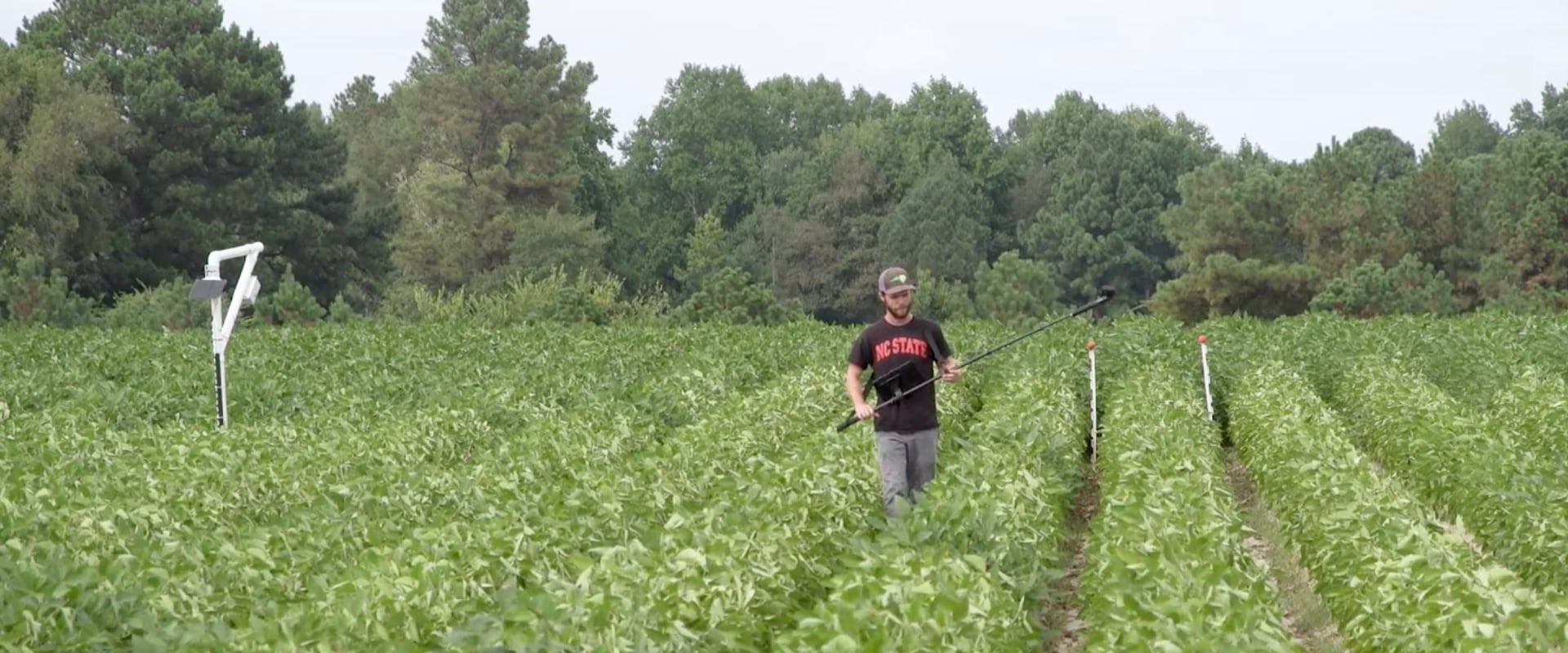
The future of farming in Waxhaw, North Carolina is poised for transformation as local farmers embrace innovative practices and technologies. These advancements not only enhance productivity but also strengthen the community's ties to sustainable agriculture.One significant trend is the adoption of precision agriculture. This approach utilizes data analytics and technology to optimize field-level management regarding crop farming. Farmers in Waxhaw are increasingly using GPS technology and soil sensors to monitor crop health and soil conditions, allowing them to make informed decisions that lead to higher yields and reduced waste.Another emerging trend is the rise of urban farming.As more residents move to Waxhaw, local farmers are exploring ways to integrate agriculture into urban settings. This includes community gardens and rooftop farms that not only provide fresh produce but also foster community engagement and education about sustainable practices.
- Hydroponics and Aquaponics: These soil-less farming methods are gaining traction among Waxhaw farmers, allowing them to grow crops in controlled environments, thus conserving water and space.
- Organic Farming: With a growing demand for organic produce, many farmers are transitioning to organic practices, which not only benefit the environment but also cater to health-conscious consumers.
- Agri-tourism: Farmers are increasingly opening their doors to visitors, offering tours, workshops, and farm-to-table experiences that educate the public about local agriculture while generating additional income.
FAQs about Farmers in Waxhaw, North Carolina
Farmers in Waxhaw, North Carolina, play a vital role in the local community, and many residents have questions about their contributions and practices.Here are some frequently asked questions:
- What types of crops do farmers in Waxhaw grow?
Farmers in Waxhaw primarily cultivate a variety of fruits and vegetables, including tomatoes, peppers, corn, and berries. Many also engage in sustainable practices to enhance soil health and crop yield. - How do local farmers support the community?
Local farmers contribute by providing fresh produce to farmers' markets, participating in community-supported agriculture (CSA) programs, and offering educational workshops on sustainable farming practices. - Are there any farmer's markets in Waxhaw?
Yes, Waxhaw hosts several farmers' markets where local farmers sell their produce directly to consumers. These markets not only promote local agriculture but also foster community engagement. - What is the significance of organic farming in Waxhaw?
Organic farming is significant as it promotes environmental sustainability and provides healthier food options for the community. Many farmers in Waxhaw are adopting organic methods to meet consumer demand. - How can I get involved with local farming initiatives?
Residents can get involved by volunteering at local farms, attending workshops, or supporting local farmers' markets.Engaging with these initiatives helps strengthen the community's agricultural ties.
Conclusion: The Vital Role of Farmers in Waxhaw's Community Fabric
In conclusion, the farmers in Waxhaw, North Carolina play an indispensable role in weaving the fabric of the local community. Their contributions extend far beyond mere agricultural production; they are vital to the economic, cultural, and environmental sustainability of the area. Economically, these farmers provide fresh produce and goods that not only support local markets but also create jobs and stimulate growth within the community. By participating in farmers' markets and local co-ops, they foster a direct connection between consumers and producers, enhancing the local economy. Culturally, farmers in Waxhaw contribute to a rich heritage that celebrates traditional farming practices and local cuisine. They often engage with the community through educational programs, workshops, and farm tours, sharing their knowledge and passion for agriculture.This engagement helps to cultivate a sense of pride and identity among residents. Moreover, the commitment of these farmers to sustainable practices ensures that future generations can enjoy the natural beauty and resources of Waxhaw. By prioritizing environmentally friendly methods, they help preserve the land and promote biodiversity. Ultimately, the farmers in Waxhaw are more than just producers; they are community leaders who embody resilience and innovation. Their ongoing efforts not only nourish the body but also enrich the spirit of Waxhaw, making them a cornerstone of this vibrant community.