In the charming town of Waxhaw, North Carolina, the role of farmers extends far beyond the fields they cultivate. These dedicated individuals are not only stewards of the land but also vital contributors to the local economy. As agriculture remains a cornerstone of Waxhaw's identity, understanding the impact of farmers in this region reveals a complex web of economic interdependence that supports both rural and urban communities, highlighting the importance of nurse competency in ensuring the health and well-being of those who work in and around these agricultural settings. The agricultural landscape in Waxhaw is characterized by a rich diversity of crops and livestock, which play a significant role in sustaining local businesses and providing fresh produce to residents. Farmers in Waxhaw engage in practices that promote sustainability and environmental stewardship, ensuring that their contributions are not only economically viable but also ecologically responsible. extends far beyond the fields they cultivate. These dedicated individuals are not only stewards of the land but also vital contributors to the local economy. As agriculture remains a cornerstone of Waxhaw's identity, understanding the impact of farmers in this region reveals a complex web of economic interdependence that supports both rural and urban communities, highlighting the importance of nurse competency in ensuring the health and well-being of those who work in and around these agricultural settings. The agricultural landscape in Waxhaw is characterized by a rich diversity of crops and livestock, which play a significant role in sustaining local businesses and providing fresh produce to residents. Farmers in Waxhaw engage in practices that promote sustainability and environmental stewardship, ensuring that their contributions are not only economically viable but also ecologically responsible.
This commitment to sustainable farming enhances the quality of life for residents while fostering a sense of community pride. Moreover, the economic contributions of farmers in Waxhaw extend to various sectors, including retail, tourism, and education. Local farmers' markets serve as vibrant hubs where residents can purchase fresh goods directly from producers, thereby strengthening the local economy. Additionally, agritourism has gained traction, attracting visitors who seek authentic experiences that connect them with the land and its bounty. As we delve deeper into the multifaceted role of farmers in Waxhaw, it becomes clear that their influence reaches far beyond agriculture, shaping the very fabric of the community.
Historical Context of Farming in Waxhaw
The history of farming in Waxhaw, North Carolina, is deeply intertwined with the region's cultural and economic development.Established in the early 18th century, Waxhaw quickly became a hub for agriculture, primarily due to its fertile soil and favorable climate. Early settlers, predominantly of Scottish and Irish descent, recognized the land's potential for crop production, leading to the establishment of farms that would shape the local economy for generations.Throughout the 19th century, agricultural development in Waxhaw flourished. The introduction of cotton as a cash crop transformed the landscape, with many farmers investing in larger plantations. This period saw an increase in both land cultivation and the use of enslaved labor, which played a significant role in the economic prosperity of the area.
As cotton prices soared, Waxhaw became known for its high-quality produce, attracting traders and boosting local commerce.However, the Civil War brought significant challenges to farmers in Waxhaw. The destruction of infrastructure and changes in labor dynamics led to a decline in agricultural output. Post-war recovery was slow, but by the late 19th century, farmers began diversifying their crops. This shift included the introduction of tobacco and various fruits and vegetables, which not only catered to local markets but also opened avenues for trade beyond Waxhaw.In the 20th century, advancements in farming technology and practices further revolutionized agriculture in Waxhaw.
The advent of mechanization allowed farmers to increase productivity while reducing labor costs. Additionally, the rise of community-supported agriculture (CSA) programs and farmers' markets has fostered a renewed interest in local farming practices.Today, farmers in Waxhaw, North Carolina, continue to play a vital role in sustaining the local economy. They not only provide fresh produce but also contribute to community identity and heritage. The evolution of farming practices reflects broader economic trends while maintaining a strong connection to Waxhaw's rich agricultural history.
Economic Contributions of Farmers in Waxhaw
The economic contributions of farmers in Waxhaw, North Carolina extend far beyond the fields.These local farmers play a crucial role in shaping the community's economy through various direct and indirect means. One of the most significant impacts is job creation. Farmers not only employ individuals directly on their farms but also support a range of ancillary businesses. For instance, local suppliers of seeds, fertilizers, and equipment benefit from the agricultural activities in the area. Additionally, transportation services that move goods to markets and processing facilities also rely heavily on the agricultural sector. Moreover, the local food production by farmers in Waxhaw fosters a sense of community and sustainability.
By providing fresh produce to local markets and restaurants, these farmers help reduce the carbon footprint associated with transporting food over long distances. This not only supports healthier eating habits among residents but also keeps money circulating within the local economy. Farmers also contribute to the local economy through community engagement. Many participate in farmers' markets, which serve as vital hubs for social interaction and economic exchange. These markets not only allow farmers to sell their products directly to consumers but also encourage residents to support local businesses, thereby strengthening community ties. Furthermore, agricultural activities often lead to increased tourism in Waxhaw.
Events such as harvest festivals and farm tours attract visitors, generating additional revenue for local businesses such as hotels, restaurants, and shops. In summary, the role of farmers in Waxhaw, North Carolina is multifaceted, encompassing job creation, local food production, community support, and tourism enhancement. Their contributions are essential for fostering a vibrant and resilient local economy.
Types of Farming Practices in Waxhaw
In Waxhaw, North Carolina, the agricultural landscape is diverse, reflecting a rich tapestry of farming practices that contribute significantly to the local economy. The region is known for its blend of traditional and modern farming techniques, which cater to both local markets and broader distribution.Crop Farming
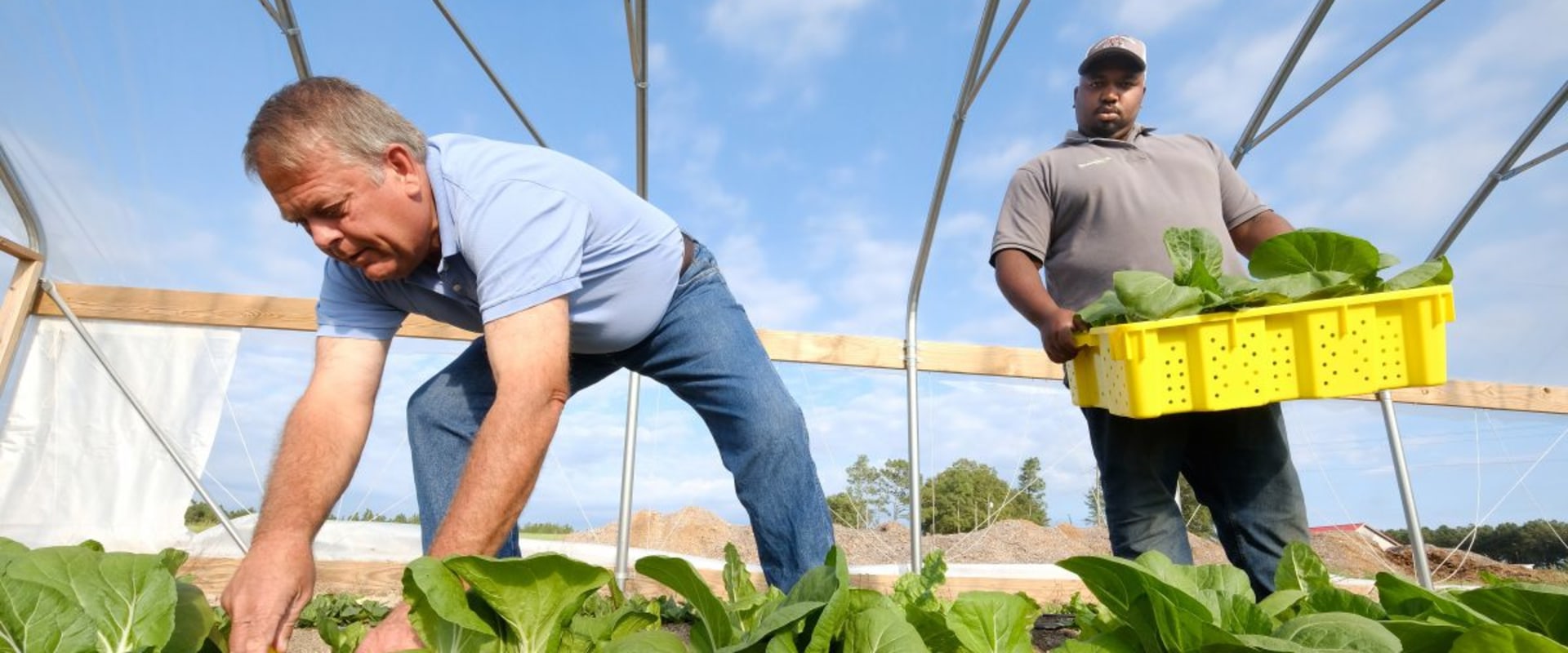
One of the most prevalent types of farming in Waxhaw is crop farming. Farmers cultivate a variety of crops, including corn, soybeans, and various fruits and vegetables.These crops not only provide food for the community but also support local businesses such as farmers' markets and restaurants that prioritize fresh, locally-sourced ingredients.
Livestock Raising
Livestock raising is another vital aspect of agriculture in Waxhaw. Farmers in the area raise cattle, pigs, and poultry, contributing to the local food supply and creating jobs within the community. The presence of livestock farms also supports ancillary businesses such as feed suppliers and veterinary services.Organic Farming
With a growing demand for organic produce, many farmers in Waxhaw have adopted organic farming practices. This method not only meets consumer preferences for healthier food options but also promotes sustainable agricultural practices.Organic farms often engage in community-supported agriculture (CSA) programs, allowing residents to purchase shares of seasonal produce directly from the farm.
Community Impact
The various farming practices in Waxhaw play a crucial role in sustaining the local economy. They provide employment opportunities, enhance food security, and foster community engagement through events like harvest festivals and farm tours. By supporting local farmers, residents contribute to a vibrant agricultural sector that is essential for Waxhaw's economic health.Farmers' Role in Community Development
The role of farmers in Waxhaw, North Carolina extends far beyond the fields; they are pivotal in fostering community development through various local initiatives. One of the most significant contributions is the establishment of farmers' markets, which serve as vibrant hubs for local commerce and social interaction.Farmers' markets
not only provide residents with access to fresh, locally-sourced produce but also create a platform for farmers to connect directly with consumers.This direct-to-consumer model helps to strengthen the local economy by keeping money within the community. Additionally, these markets often feature local artisans and crafters, further enhancing the economic impact.Moreover, many farmers in Waxhaw engage in educational programs aimed at promoting sustainable practices and healthy eating. These initiatives often include workshops on gardening, cooking demonstrations, and nutrition education, which empower community members to make informed choices about their food sources. By educating the public, farmers help cultivate a culture of sustainability and health that benefits everyone.Partnerships with local businesses also play a crucial role in community development.
Farmers often collaborate with restaurants, grocery stores, and schools to supply fresh produce, creating a network that supports local agriculture while providing businesses with high-quality ingredients. This symbiotic relationship not only boosts the local economy but also fosters a sense of community pride.In summary, the contributions of farmers in Waxhaw to community development are multifaceted. Through farmers' markets, educational initiatives, and partnerships with local businesses, they enhance the economic landscape while promoting sustainability and community engagement.
Challenges Faced by Farmers in Waxhaw
The landscape of farming in Waxhaw, North Carolina, is not without its challenges. Local farmers in Waxhaw face a myriad of issues that can significantly impact their productivity and sustainability.Economic Pressures
One of the most pressing challenges is the economic pressure stemming from fluctuating market prices for crops and livestock.Farmers often find themselves at the mercy of global market trends, which can lead to unpredictable income. Additionally, the rising costs of inputs such as seeds, fertilizers, and equipment further strain their financial stability.
Climate Change Impacts
Climate change poses another significant threat to agriculture in Waxhaw. Farmers are increasingly experiencing unpredictable weather patterns, including severe droughts and heavy rainfall, which can devastate crops. The shift in climate not only affects yield but also alters pest and disease dynamics, making it more challenging for farmers to manage their fields effectively.Regulatory Hurdles
Navigating regulatory hurdles is another challenge that local farmers must contend with.Compliance with state and federal regulations regarding land use, water rights, and environmental protections can be complex and time-consuming. These regulations, while essential for sustainable practices, can impose additional costs and administrative burdens on farmers.
Access to Resources
Moreover, access to resources such as financing, technology, and training programs is often limited for many farmers in the area. This lack of support can hinder their ability to adopt innovative practices that could enhance productivity and resilience against challenges.In summary, the challenges faced by farmers in Waxhaw, North Carolina, are multifaceted and require a concerted effort from the community, policymakers, and agricultural organizations to address effectively. By understanding these issues, stakeholders can work together to create solutions that support local agriculture and ensure its viability for future generations.Future of Farming in Waxhaw: Trends and Innovations
The future of farming in Waxhaw, North Carolina is poised for transformation as local farmers embrace innovative practices and technologies.These advancements not only enhance productivity but also contribute significantly to the local economy.One of the most notable trends is the adoption of sustainable farming practices. Farmers in Waxhaw are increasingly focusing on methods that reduce environmental impact while maintaining crop yields. Techniques such as crop rotation, organic farming, and integrated pest management are becoming more prevalent. These practices not only help in preserving the local ecosystem but also attract consumers who are willing to pay a premium for sustainably sourced products.Additionally, the integration of technology into farming operations is revolutionizing how farmers manage their crops.
Precision agriculture, which utilizes data analytics and GPS technology, allows farmers to monitor soil health, optimize irrigation, and apply fertilizers more efficiently. This not only boosts productivity but also reduces costs, making local farms more competitive.
Community-supported agriculture (CSA)
programs are also gaining traction in Waxhaw. These initiatives connect local farmers directly with consumers, fostering a sense of community and ensuring that farmers receive fair compensation for their produce. By participating in CSAs, farmers can secure a stable income while consumers enjoy fresh, locally grown food.Moreover, the rise of urban farming within Waxhaw is reshaping the agricultural landscape.
As more residents seek to grow their own food, urban farms are emerging as vital contributors to the local economy. These farms not only provide fresh produce but also create jobs and promote community engagement.In conclusion, the trends and innovations shaping the future of farming in Waxhaw are multifaceted. By embracing sustainability, technology, community engagement, and urban agriculture, local farmers are not only enhancing their operations but also playing a crucial role in strengthening the local economy.
FAQs about Farmers in Waxhaw, North Carolina
Farmers in Waxhaw, North Carolina, play a crucial role in the local economy, and many residents have questions about their impact and operations. Here are some frequently asked questions that provide insights into the farming community in this charming town.What types of crops are commonly grown by farmers in Waxhaw?
Farmers in Waxhaw primarily cultivate a variety of crops, including:- Vegetables: Tomatoes, cucumbers, and peppers are popular choices.
- Fruits: Strawberries and blueberries thrive in the region's climate.
- Grains: Corn and soybeans are also significant contributors to local agriculture.
How do local farmers contribute to the economy?
The contributions of farmers in Waxhaw extend beyond just food production.They:
- Create jobs: Farming operations provide employment opportunities for local residents.
- Support local businesses: Farmers often purchase supplies from nearby stores, boosting the local economy.
- Participate in farmers' markets: These markets not only offer fresh produce but also attract visitors, enhancing tourism.
Are there any community-supported agriculture (CSA) programs in Waxhaw?
Yes, several farmers in Waxhaw participate in community-supported agriculture (CSA)) programs. These initiatives allow residents to buy shares of a farm's harvest, ensuring they receive fresh produce while providing farmers with upfront capital to support their operations.What challenges do farmers face in Waxhaw?
Like many regions, farmers in Waxhaw encounter various challenges, including:- Weather conditions: Unpredictable weather can affect crop yields.
- Pest management: Farmers must constantly manage pests to protect their crops.
- Market fluctuations: Prices for agricultural products can vary significantly, impacting profitability.
Conclusion: The Integral Role of Farmers in Waxhaw's Economy
In conclusion, the role of farmers in Waxhaw, North Carolina extends far beyond mere food production; they are vital contributors to the local economy and community fabric. Throughout this discussion, we have explored several key aspects that highlight their importance. Firstly, farmers provide essential goods that not only feed the local population but also support local businesses. By sourcing fresh produce from nearby farms, restaurants and markets can offer high-quality, locally-sourced options that attract customers and promote a sense of community pride. Secondly, the agricultural sector in Waxhaw creates numerous job opportunities.From farmhands to logistics and distribution roles, the presence of farms stimulates employment and helps sustain the livelihoods of many families in the area. This economic activity fosters a cycle of spending within the community, as employees and business owners reinvest their earnings locally. Moreover, farmers play a crucial role in preserving the region's natural landscape and cultural heritage. By maintaining open spaces and engaging in sustainable practices, they contribute to environmental conservation efforts that benefit all residents. This commitment to sustainability not only enhances the quality of life but also attracts tourism, further bolstering the local economy. Lastly, community engagement initiatives led by farmers—such as farmers' markets, educational programs, and local events—help strengthen social ties among residents.
These gatherings foster relationships between producers and consumers, creating a vibrant local culture centered around agriculture. In summary, farmers in Waxhaw, North Carolina, are indispensable to the local economy. Their contributions span economic growth, job creation, environmental stewardship, and community building. Recognizing and supporting these vital players is essential for ensuring a prosperous future for Waxhaw.